
TL;DR
Winter comes down to two things. Short hard bursts outside on the days you can get out, and real work inside on the days you can’t. The garage, the hallway and the food bowl can wear out a wired dog without anybody marching through snow. Keep the outside part short and keep an eye on the cold, cause a slow cold walk doesn’t do much for a high-drive dog anyway.
There’s a longer list of indoor ideas in how to exercise a dog without walking, and how to actually run the chase is in the flirt pole training guide.
Who This Is For
- You live somewhere cold and the walks have been getting skipped all winter
- Your dog goes stir-crazy every time it snows
- You’re dreading another five months stuck inside with a wired dog
- Your dog has a thin coat and hates the cold
- The weather has you stuck inside, apartment or house
- You want to tire your dog out without risking frostbite
- Your dog starts tearing stuff up when the walks stop
Signs Winter Is Beating You Both
- Your dog bounces off the walls on snow days
- Walks have dropped to almost nothing and nobody really said it out loud
- There’s been more chewing or digging or barking since fall
- Your dog paces and whines at the door
- Everybody in the house is short with each other by February
- Quick potty trips are the only time your dog is getting outside
- Your dog is putting on weight over the winter
Short, Hard, and Then Inside
On the cold days, keep the time outside short and make it count. The cold itself is the risk, so I’d rather do a quick hard sprint in the yard than a long shivering walk, and then bring the rest of it inside.
Take the cold-weather stuff seriously. Ice-melt salt burns paws, thin-coated dogs get cold fast, and frozen ground is slick. The AVMA notes that cold tolerance varies from dog to dog, depending on coat, body fat and activity level.
Rinse the paws
Any time you come back in I’d wipe or rinse the paws to get the salt and ice balls off, cause it takes a few seconds and it saves a lot of licking and limping later.
Where the Real Burn Happens
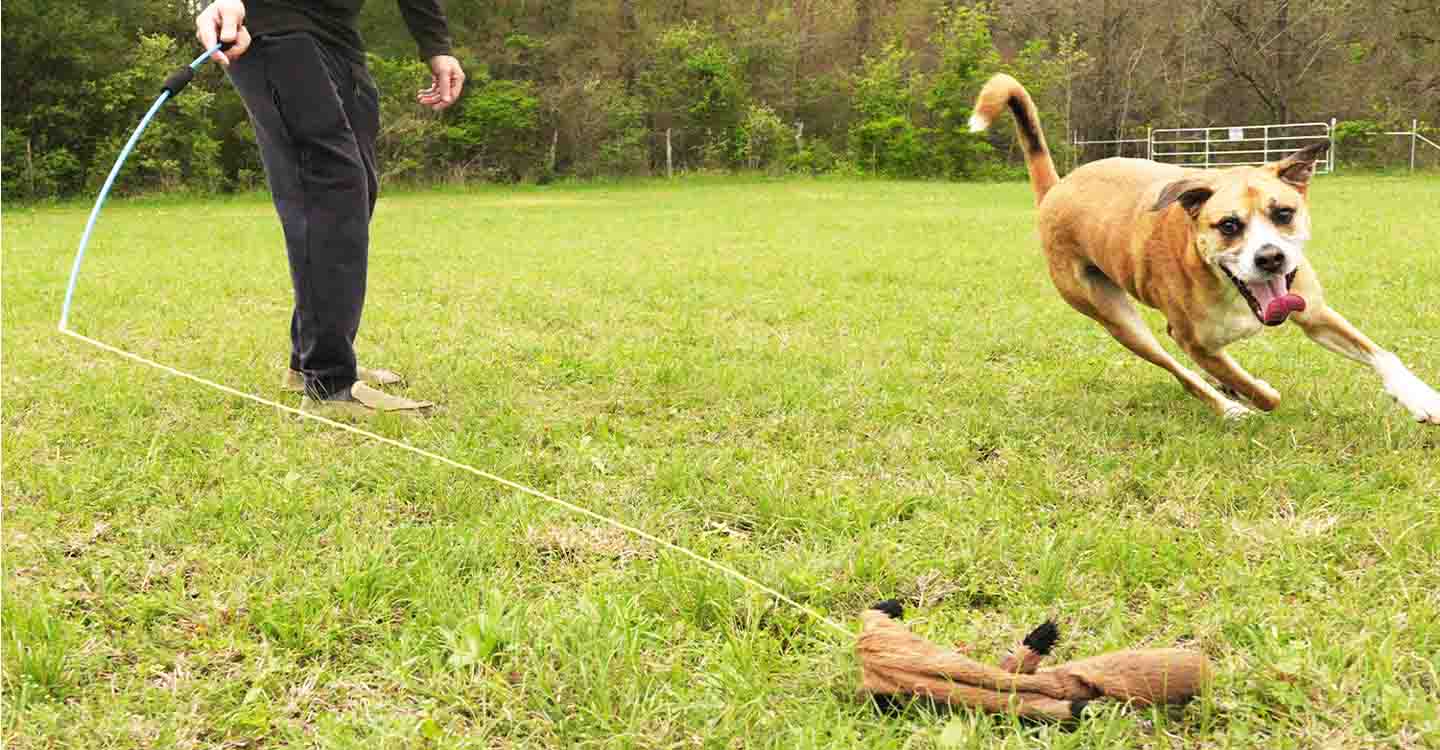
On cold days the real workout happens indoors. A flirt pole in the garage or basement gets your dog chasing and catching out of the wind, and then the hallway sprints and puzzle feeders fill in the rest. I’d take ten warm minutes of real chase inside over thirty frozen ones on the sidewalk.
Flirt pole in a garage or basement
A cleared-out garage or basement, or even a wide hallway, is enough room for a structured chase. Your dog still gets to sprint and cut and catch the lure, just out of the wind, and on a snowed-in day that’s about as close to a real workout as you’re gonna get.
Hallway recall sprints
Toss a treat down the hallway and let your dog run for it, then call them back for another one, and if you do that back to back it burns a lot of energy with no gear at all and you’re getting recall practice in too.
Puzzle feeders and scent games
Feed meals out of a puzzle and hide treats around the house for your dog to find, cause making them think wears them out too and it fills up those long dark evenings. See enrichment and mental stimulation for the full list.
Why Cold Walks Fall Short
A slow winter walk is easy and it’s short cause it has to be, so a high-drive dog barely notices it. The cold puts a limit on how long you can stay out there, but it doesn’t put a limit on how much energy your dog has.
Chase inside turns that around. The dog gets to run the whole predatory motor pattern, chase and catch and all, which a walk never gets close to. So your dog ends the session satisfied, and that’s a lot easier to live with in February than a dog climbing the walls.
Keep it consistent
Winter’s long so don’t let the habit slip, cause a short session every day does more than one big effort on the weekend and it helps keep the winter weight off.
Quick out, hard in
Fast Potty Burst
Do a quick run around outside and then get right back in before anybody gets cold.
Garage Chase
Then flirt pole or hallway sprints in a cleared space inside, working hard with breaks in between.
Nose Work
Scatter their food or put it in a puzzle toy and let them settle down for the night.
The cold doesn’t take any energy out of your dog, it just cuts down your time outside, so if you move the work indoors winter gets a lot easier.
Watch out for the cold-weather dangers when you’re outside, cause ice-melt salt burns paws and thin coats get cold fast and antifreeze is deadly, so keep it short when it’s really cold and rinse the paws when you come in.
Warm your dog up before any hard sprints inside, cause coming in from the cold they’re stiff, so I’d ease into the fast stuff so nothing gets strained.
The Whimsy Stick: Built for the Garage in January
Chase indoors is most of what gets a dog through winter, and this is what I built to run it, whether that’s in a garage or a basement or a wide hallway.
Read These Next to Go Deeper
Want more of this in your Google results? Add Whimsy Stick as a preferred source.
Winter Dog Exercise: FAQ
How do you exercise a dog in winter?
I’d split it up, so do short bursts outside on the days you can and real work inside on the days you can’t, like a flirt pole in the garage or hallway recall sprints or puzzle feeders, and keep the cold sessions outside short and rinse the paws after.
How do I tire my dog out when it’s too cold to walk?
Bring it inside. A structured chase in the garage or basement, some hallway sprints and a few scent games will wear a dog out without anybody freezing, and I’d take ten hard minutes in there over a shivering half hour outside.
How cold is too cold to walk a dog?
It depends on the dog’s coat and size and where you live, and small or thin-coated dogs feel it a lot sooner. If it’s dangerously cold for you, keep your dog’s time outside to quick potty trips and do the rest inside, and if you’re not sure what your dog can handle, ask your vet.
Do dogs need less exercise in winter?
Not really, they need the same outlet, it just looks different. Their drive doesn’t drop with the temperature, what drops is how long you can safely stay outside, so more of the work happens indoors.
What are good indoor exercises for dogs?
Flirt pole chase in a cleared space and recall sprints down the hallway and stairs for healthy adult dogs, plus tug with rules and puzzle feeders and scent games, and I’d pair one that works the body with one that works the brain.
Is it safe to run a flirt pole indoors?
Yeah, as long as it’s a cleared garage or basement or a wide hallway with footing that doesn’t slip, and you keep the turns wide and get the furniture out of the way. It’s one of the better ways to burn real energy when it’s too cold out.
How do I stop winter weight gain in my dog?
Keep the exercise steady through the cold months and cut back the food if they’re moving less, cause a short session inside every day and measured meals go a long way, and watch the treats too, cause a bored dog in winter tends to get a lot of extra snacks.
My dog is destructive on snow days. What helps?
A lot of times it’s just boredom from not getting enough exercise, so add a hard chase session inside and feed a meal out of a puzzle and give it some time, cause a dog that’s actually tired is a lot more likely to sleep through a storm than chew up the couch.


