
Match your dog’s breed to the right flirt pole.
These are my breed guides, Pit Bulls, Rotties, Mals, Border Collies, Boxers, Huskies, Pugs and apartment dogs, cause every one of them is wired a little different and needs the right pole. Find yours down below.
The Direct Answer
Under 30 lbs, get the Standard ($55.95). 30 lbs and up or any power breed, get the Rugged XL ($74.95, free US shipping). I’d put most working and herding breeds on the XL too, cause a dog that grabs and shakes hard is what breaks cheap poles. Click your breed below for how I’d run the sessions. Read the 306 reviews across 7 platforms before you decide, the bad one too.
What you read here reflects my own experience training dogs. Not veterinary or behavioral medical advice. Always check with your vet before strenuous exercise for puppies, seniors, post-op dogs, and brachycephalic breeds. See the full exercise disclaimer →
Pick your breed. Get the protocol.
Every card below goes to a full guide for that breed, with how long to go, which pole, and the problems that come up a lot. For the stuff that works the same with every breed, see the predatory motor pattern explained and the flirt pole training guide. The AKC piece on channeling prey drive has more background that goes for any breed.
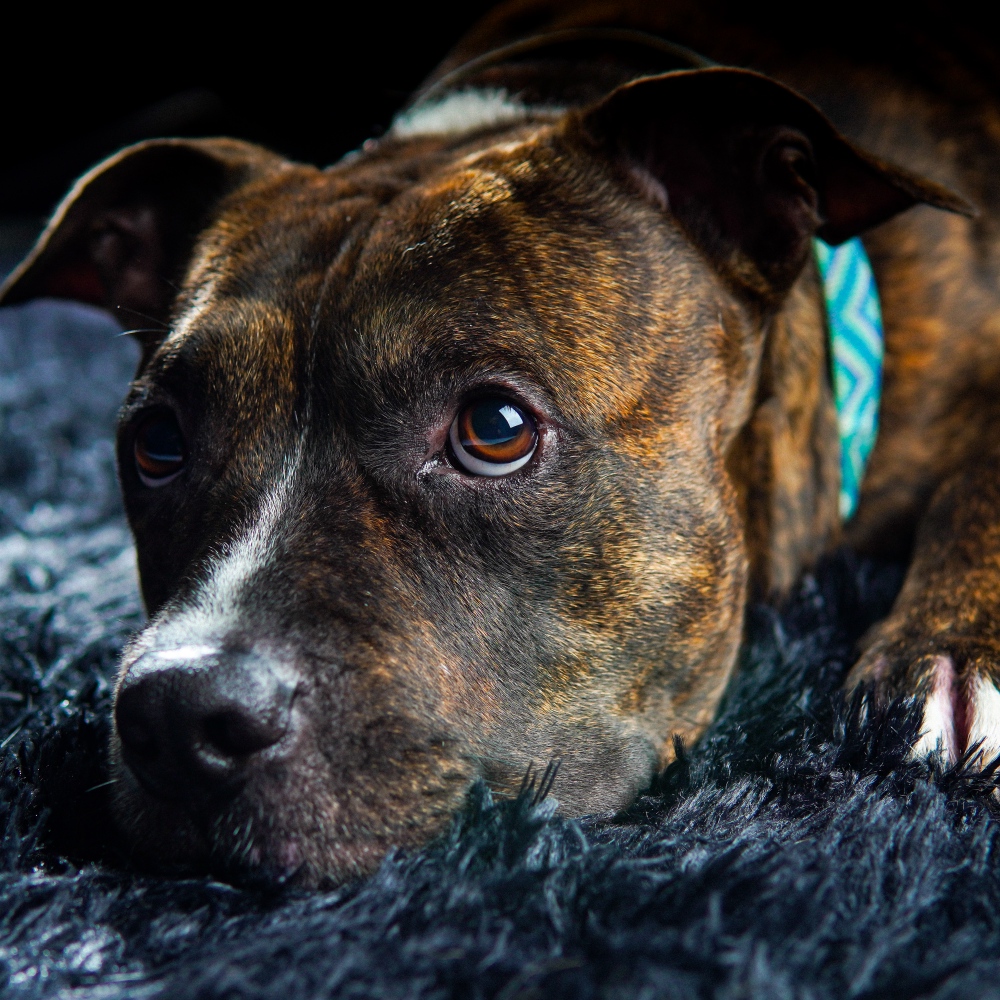
These dogs grab hard and shake, so the pole has to take it. Give them a chase with rules, let them catch it, and end with all-done. This one covers Amstaffs, Staffies, Bullies and Pit mixes too.
Read the Pit Bull guide →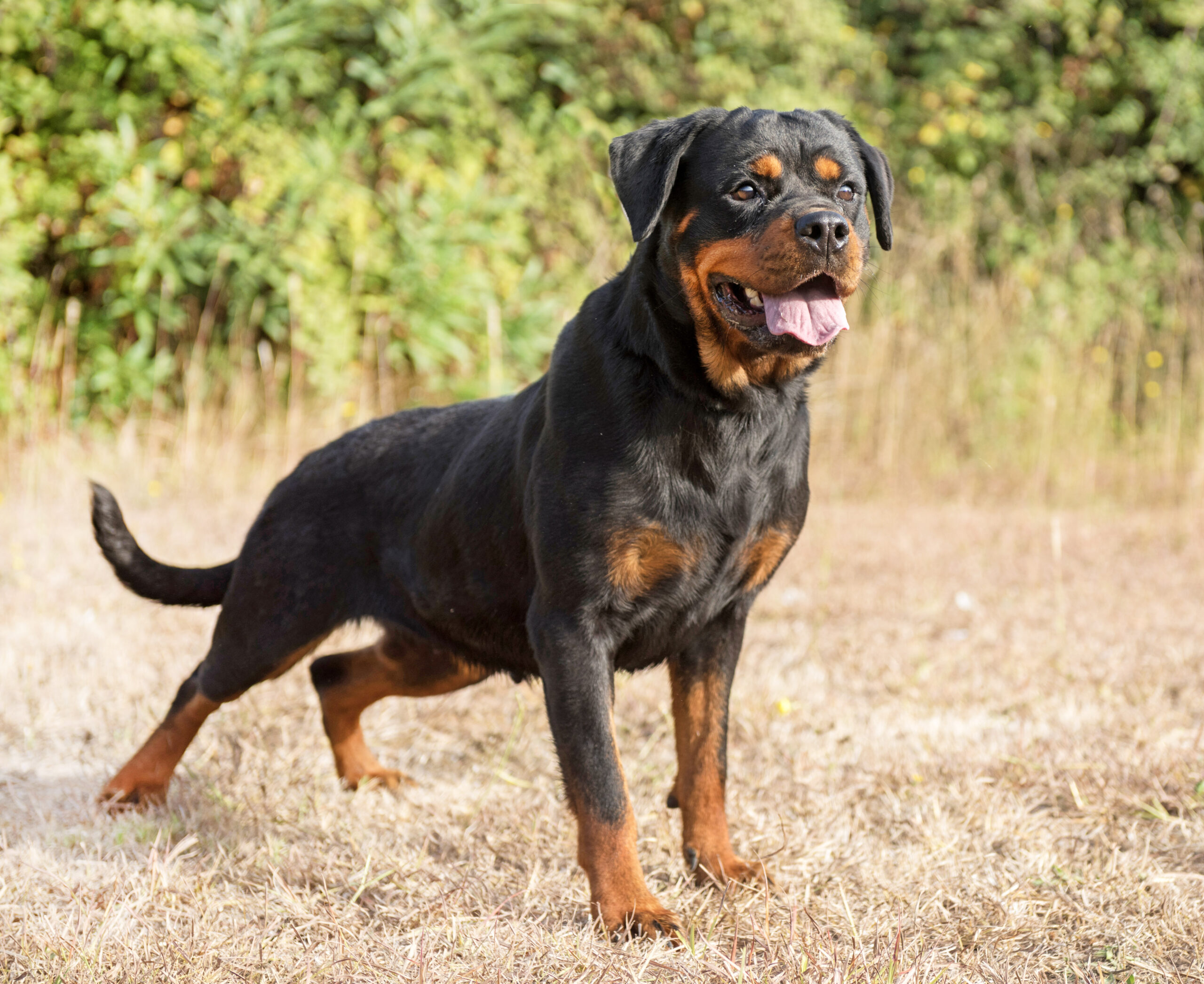
A guarding dog needs a job. The flirt pole gives them a chase to finish, so some of that energy goes there instead of into patrolling the front door.
Read the Rottweiler guide →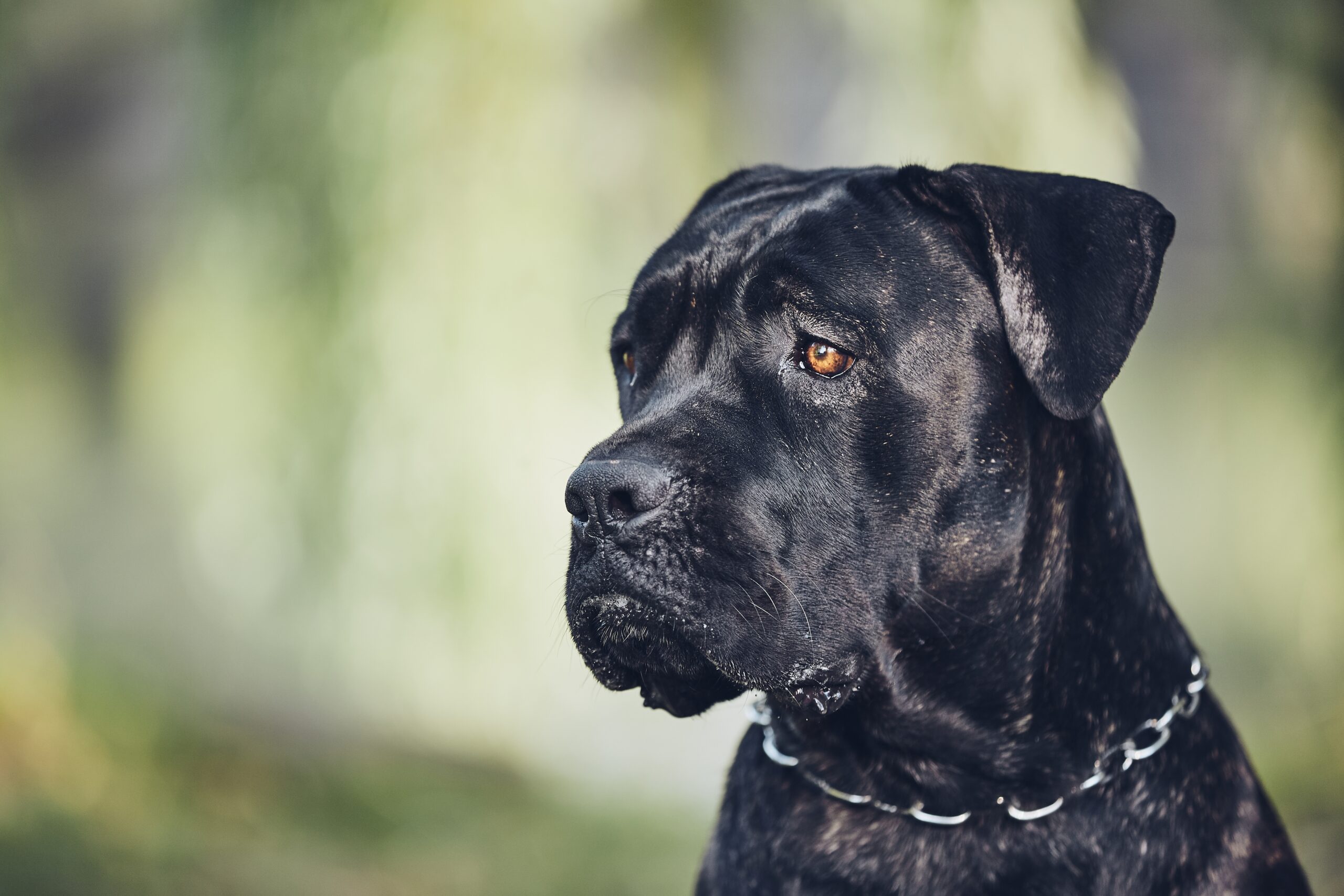
A long pole keeps your hands away from the mouth. The Dyneema line is rated at 800 lbs, so it holds up to the shaking and pulling that breaks a lot of cheap flirt poles. In my own use it holds up to a 120-lb power breed.
Read the Cane Corso guide →Working-line power breeds
With these dogs it’s about working with you first and the chase second. Shepherds, Mals and Dobies need self-control practice more than they need a ton of chasing, so the focus is the wait and a clean drop.
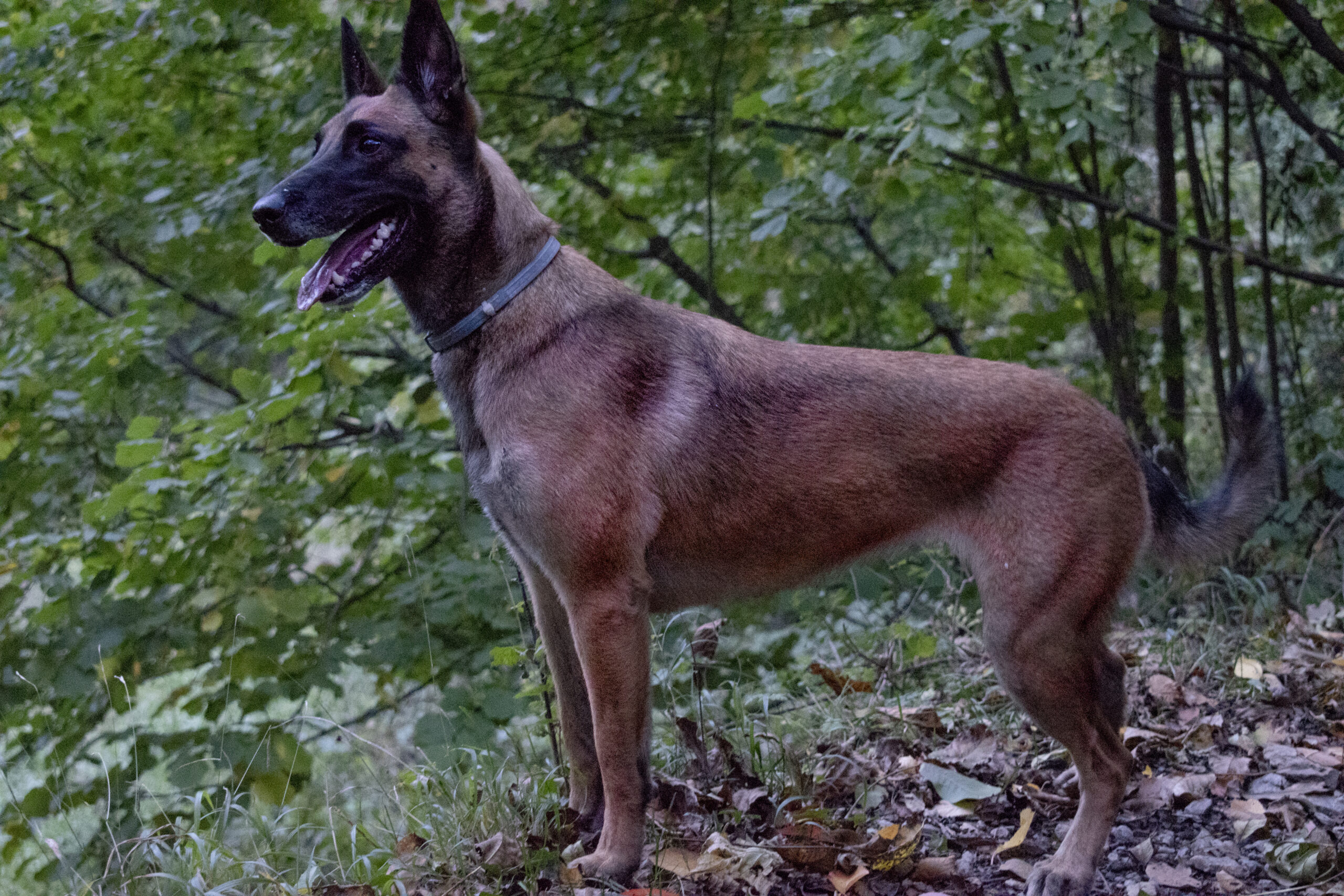
Made for a session every day. A working-line dog going full speed needs something that matches it, and a short chase they actually get to finish can do what an hour of fetch can’t.
Read the GSD & Mal guide →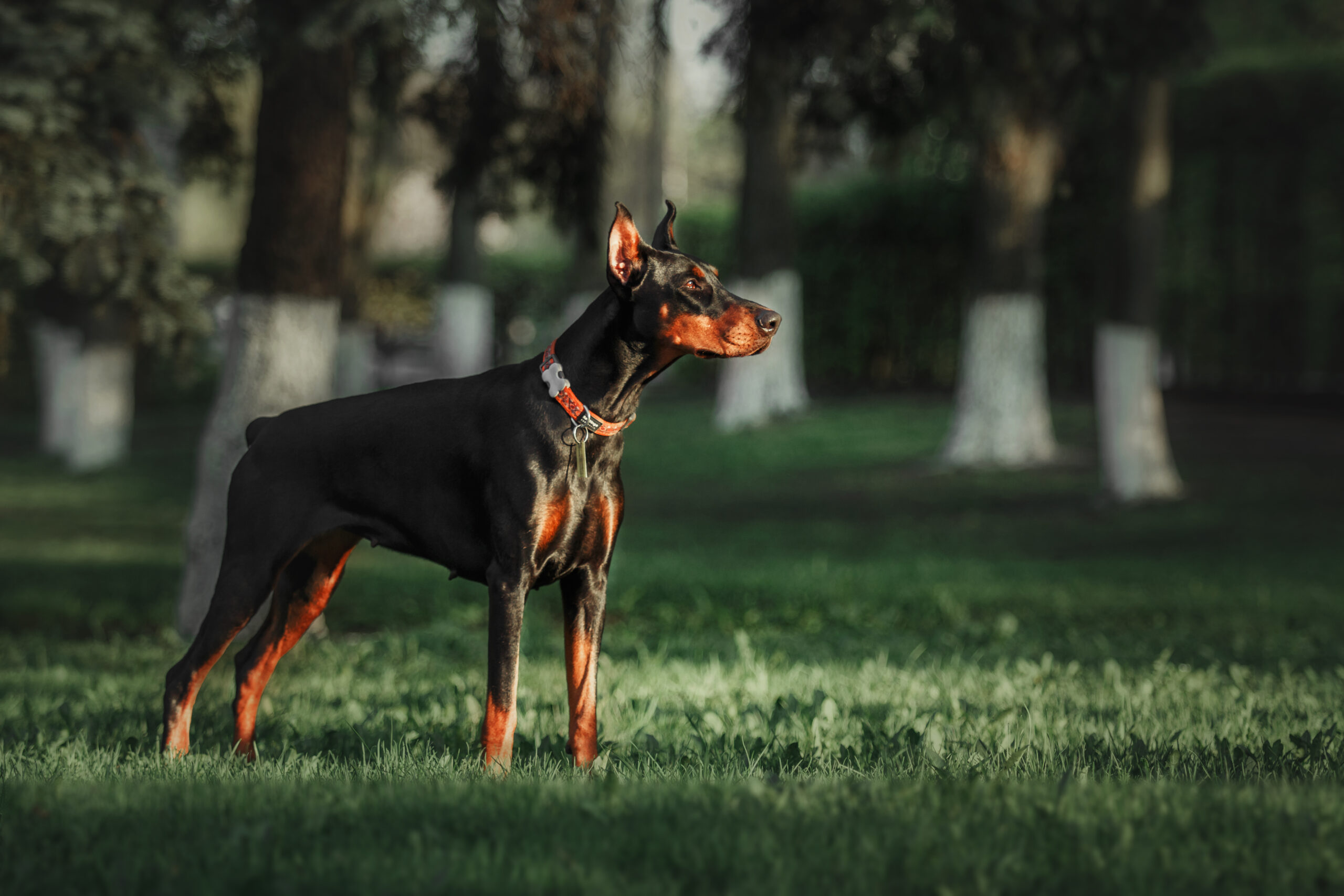
A velcro dog that can run forever. The pole gives that drive somewhere to go, so following you around nervous can turn into working with you.
Read the Doberman guide →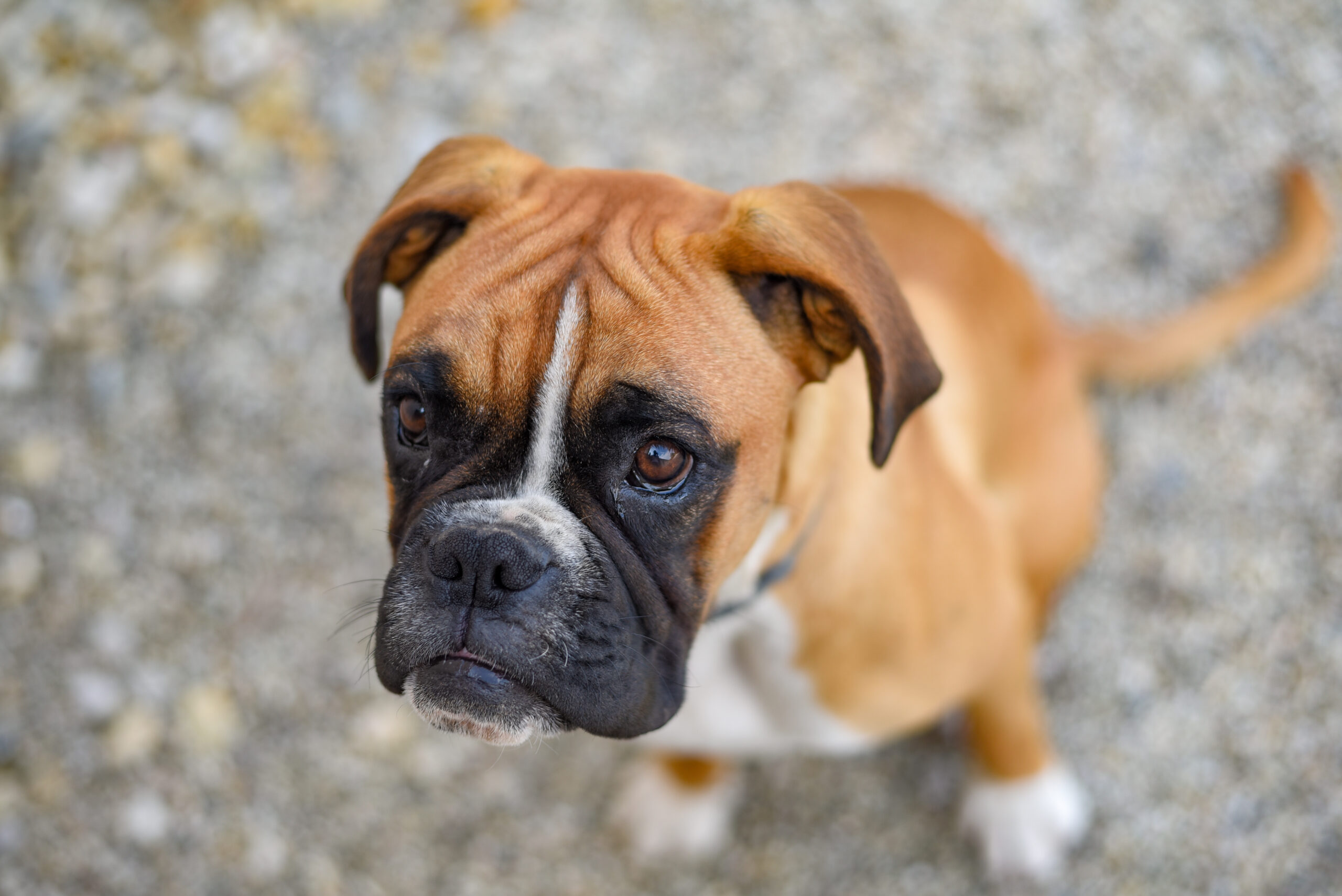
A short nose and a lot of drive means you have to be careful. Cool ground, short sessions of just a few minutes, and watch the breathing the whole time. Get your vet’s OK first. The AKC guide to BOAS has the safety background.
Read the Boxer guide →Working, sporting, and herding breeds
Mid-size dogs with plenty of drive, but they don’t grab and shake like the big guardian breeds up top. I’d still go Rugged XL. A lot of these dogs can go a little longer cause they recover quicker.
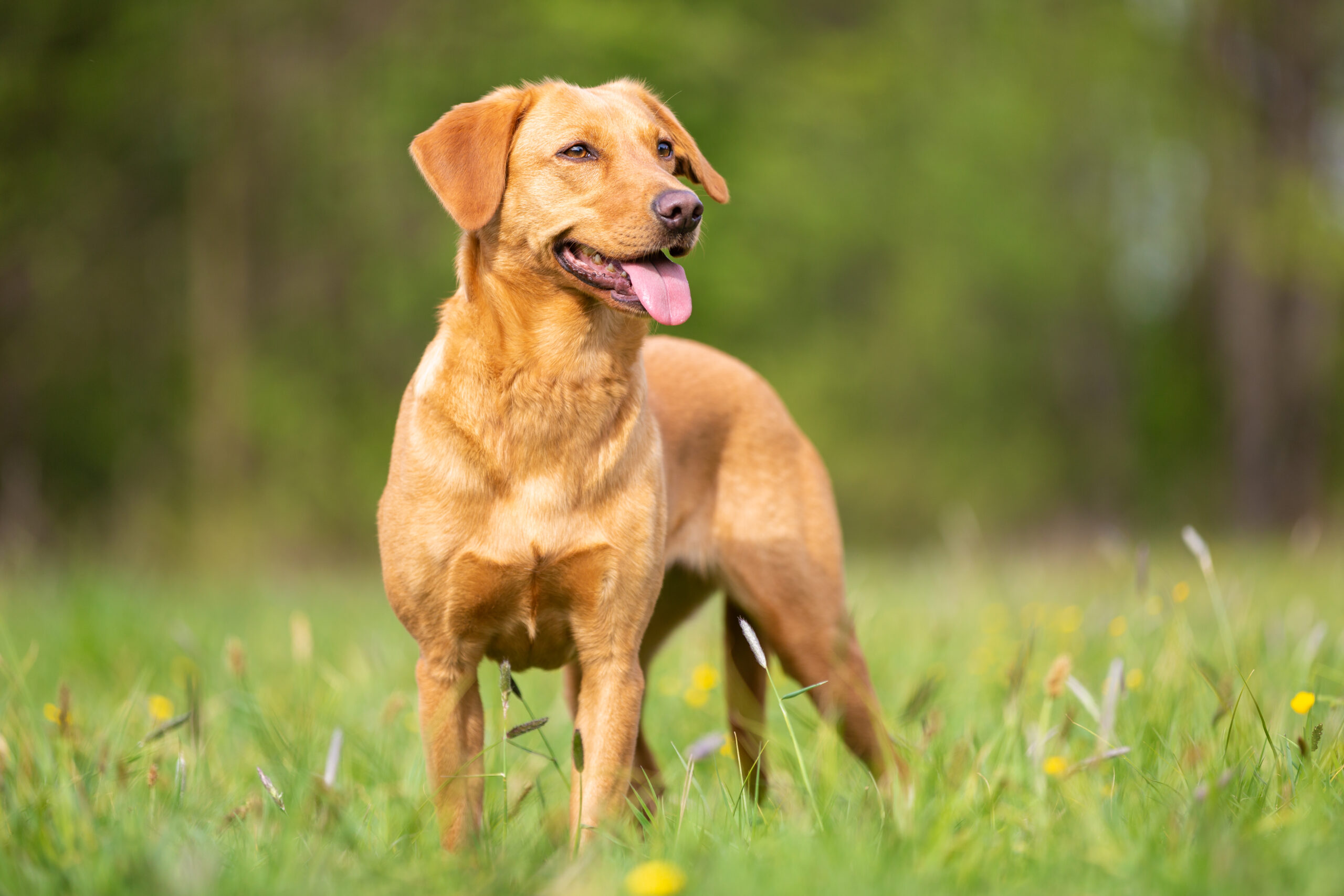
Labs are bred to retrieve, but fetch stops at bringing it back. A flirt pole lets them chase it, catch it and win it, so it’s the same drive but they get to finish.
Read the Labrador guide →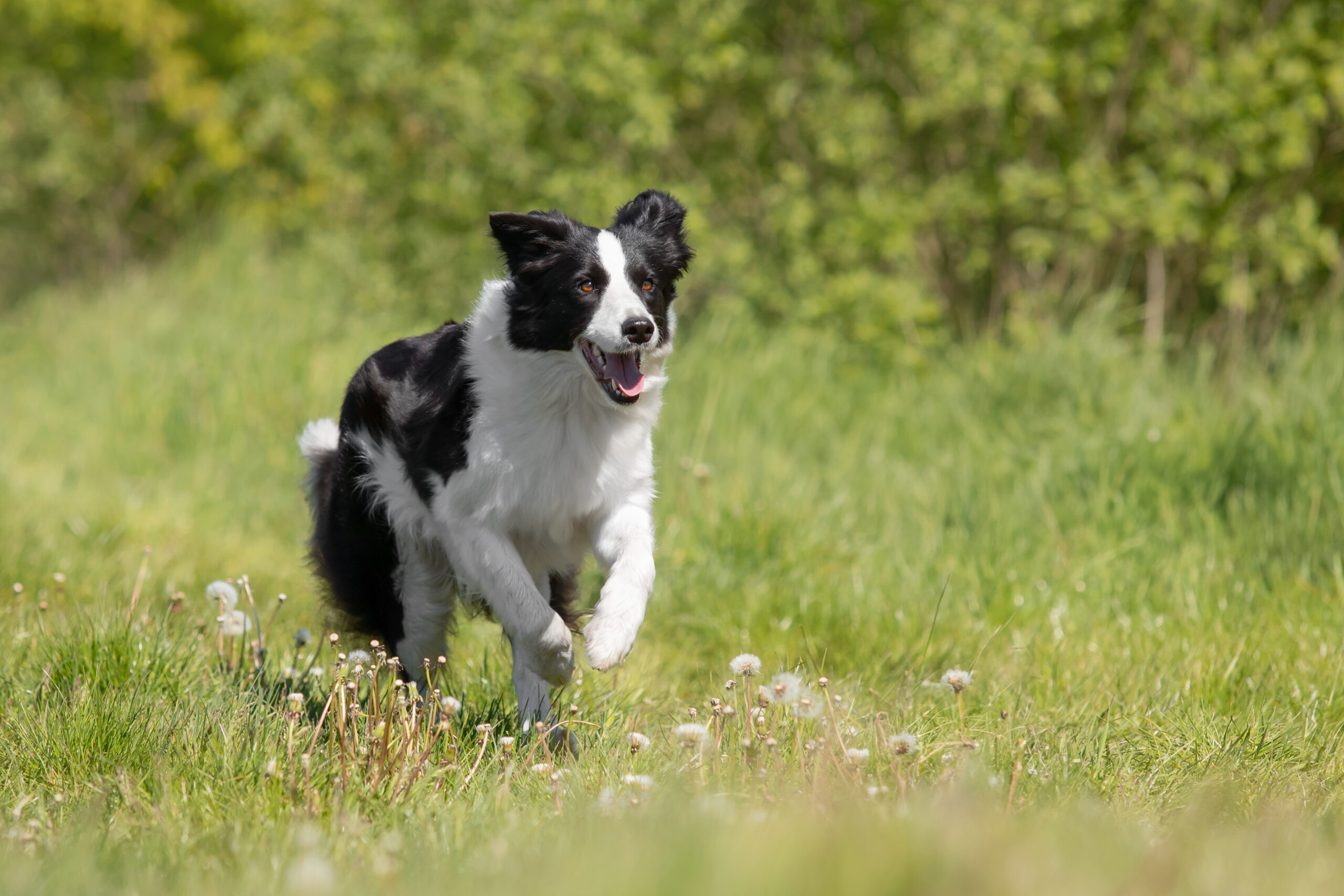
A herding dog’s stare is the stalk, and the flirt pole lets them use it. Short bursts, let them catch it, and a clean drop. It gives them something to herd without the sheep.
Read the Border Collie guide →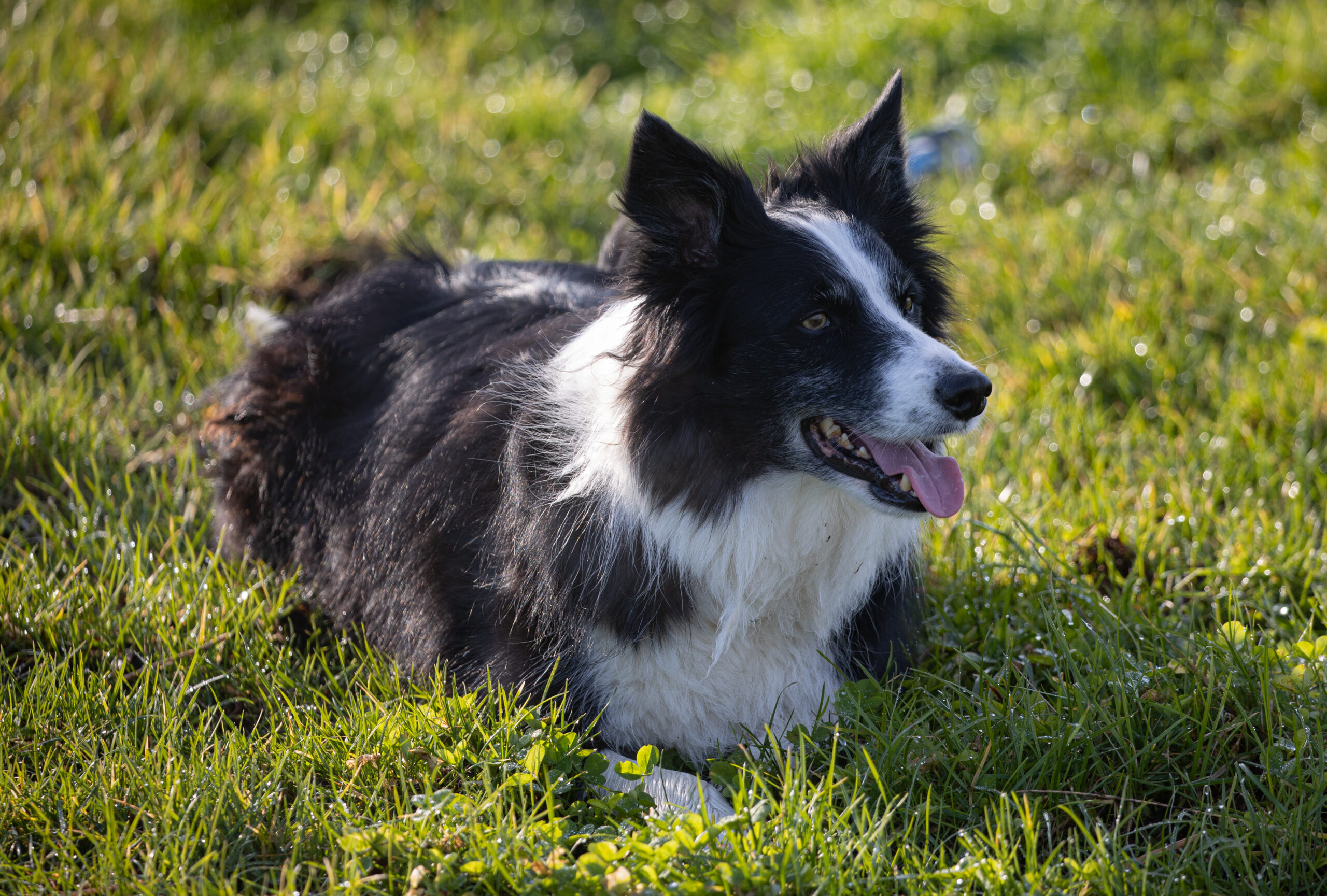
Australian Shepherds, Cattle Dogs, English Shepherds and Old English Sheepdogs. If your dog circles the kids or nips at heels, start here. My own dog Artemis is a heeler.
Read the herding guide →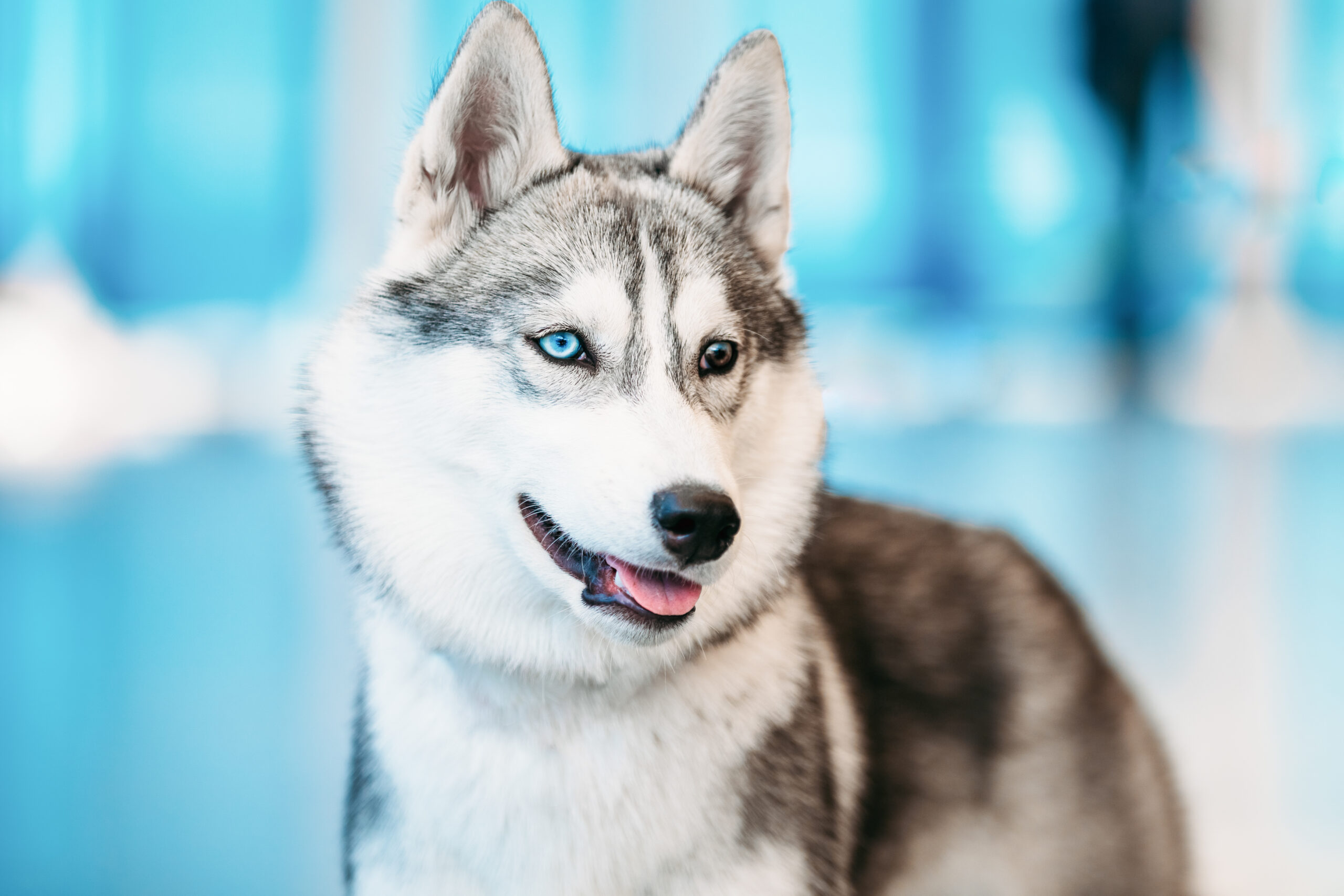
You’re not gonna out-walk a Husky. Miles don’t let them finish anything, but a stalk, chase and catch does. A short session where they get the whole thing a lot of times does more than a long hike.
Read the Husky guide →Smaller breeds and specialty cases
This is where the Standard comes in, for dogs under 30 lbs, flat-faced breeds and small spaces. Small dogs want to chase and catch too, you just change how long you go and where you do it.
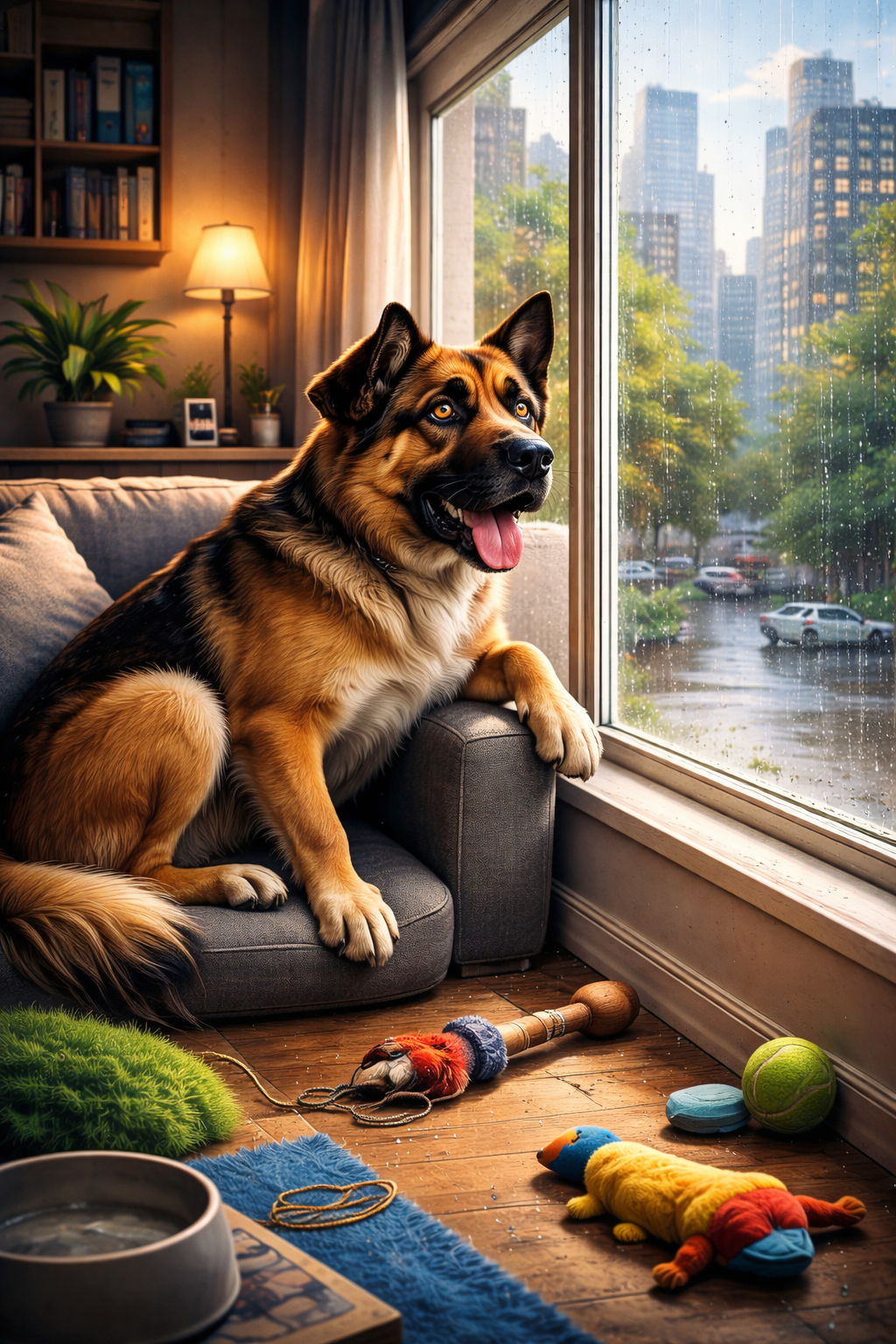
You can do this in a hallway, a balcony or the living room. The Standard ($55.95) is made for terriers, toy breeds, small mixes and apartment dogs.
Read the apartment guide →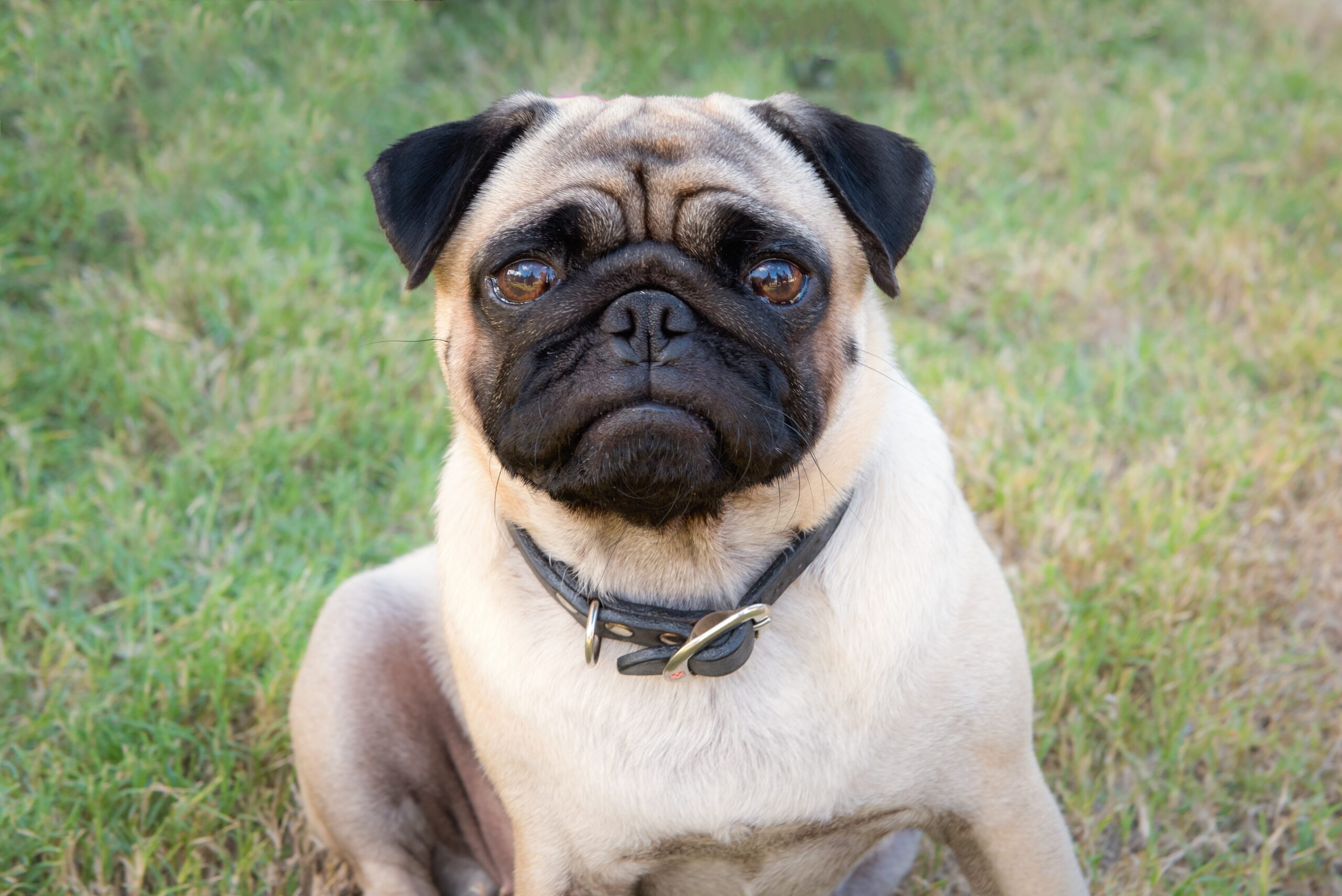
Short nose, but a lot of them still want to chase. Give them the whole chase and catch, just in a few minutes when it’s cool, and watch their breathing the whole time. The Standard ($55.95) is the one I’d use.
Read the Pug guide →Don’t see your breed? The mechanics still apply.
Stalk, chase, catch and win works about the same with every breed. What changes is how long you go, which pole you use, and how that kind of dog tends to act. Read the general guides for how it works. If you want to know which breeds tend to have the most drive, see which breeds have the highest prey drive.
Questions buyers ask before they pick.
These are the questions I get the most before people pick a pole. For more background, the ASPCA has a library of common dog behavior issues.
Why does breed matter for flirt pole choice?
There’s two reasons. A bigger dog pulls a lot harder, so a big Rottweiler can break a pole made for a small terrier, and different kinds of dogs chase different too. Some dogs take long leaps, like an Irish Wolfhound, and some are quick and agile, like a herding dog, so the field of chase you need changes too. The right pole and how long you go come out of both.
My dog is a mix, how do I pick?
I’d go by weight first, so under 30 lbs gets the Standard and 30 lbs and up gets the Rugged XL, and then think about what your mix mostly acts like. If it’s got a lot of working or guarding dog in it, I’d treat it like a power breed no matter what it weighs.
What if my breed isn’t in the list?
Honestly the general way I run a flirt pole works for almost any dog with some drive, so you’re not really missing out. The high-energy dog flirt pole guide and the predatory motor pattern article cover how it works with any dog.
Pole choice and safety questions
Do power breeds always need the Rugged XL?
For Pit Bulls, Rottweilers, Cane Corsos, Mastiffs and adult Malinois, I’d say yes, every time, cause the 800-lb Dyneema line and one-piece fiberglass pole are made for dogs that grab and shake like these do. A Standard would work for a bit but I wouldn’t expect it to last with a dog like that. And if your dog is over 120 lbs and still breaks the XL in play, I’ll work with you to fix it, replace it or refund it.
Are flirt poles safe for brachycephalic breeds?
They can be with some changes. Boxers, Bulldogs, Pugs and other short-nosed dogs need short sessions of just a few minutes, cool ground and your vet’s OK before you start, and I’d watch their breathing more than anything else. See the full exercise disclaimer for the safety framing.
What about puppies?
I’d keep sessions shorter with a puppy and ask your vet when it’s ready for full speed. The AKC guide on puppy exercise has good advice. Each breed page has a slow build-up for puppies too.
Your breed has a profile. The right pole matches it.
There are two poles and a guide for each breed. Pick the pole that fits your dog’s weight, then click your breed for how I’d run it.


