
TL;DR
A lot of Pugs still like to chase, but that flat face means they overheat fast. The Whimsy Stick Standard at $55.95 is the one I’d use. Keep sessions to a few minutes in the shade or inside on a surface with some grip, keep the lure on the ground, let them catch it every couple of passes, and keep an eye on their tongue and breathing. Do it most days and give it some time. For more on what’s going on with the chase, see the predatory motor pattern.
Who This Guide Is For
- Your Pug gets the zoomies after walks instead of settling down
- Your Pug chews stuff up, barks to get things, or just can’t get comfortable
- You’ve got more than one Pug and want to burn some energy without overdoing it
- You’ve got a Pug mix like a Puggle and want to be careful with that short face
- You’re tired of hearing “Pugs just need walks” when the walk isn’t doing it
Why Pugs Actually Need This Tool
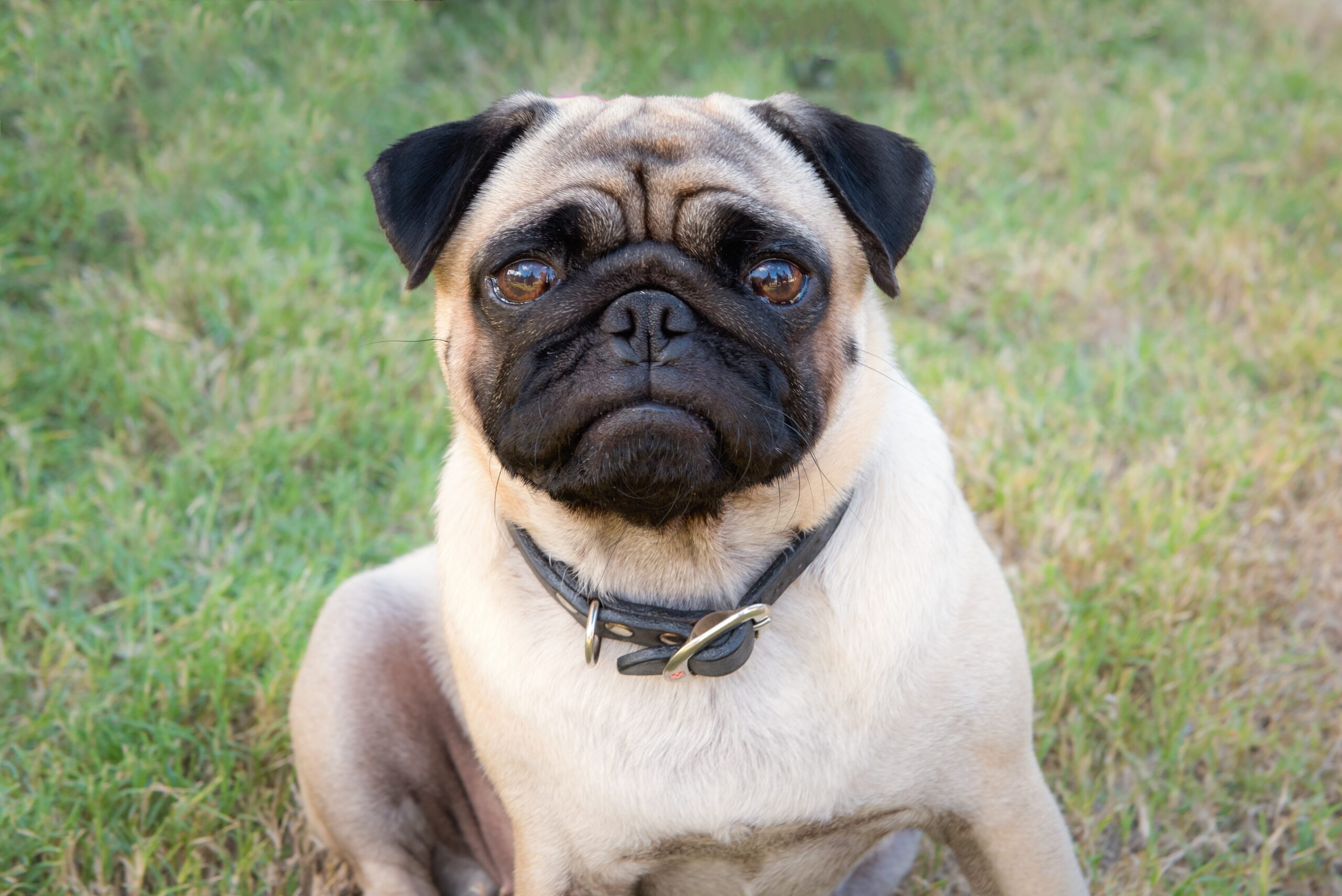
A lot of people say Pugs are lap dogs that need a little exercise and that’s it. I don’t buy that for every Pug. A lot of them still want to chase and catch stuff. Watch a Pug at the window locked onto a squirrel, that’s the stalk. Watch one rip a stuffed toy apart, that’s grab and shake.
So the drive is there, they just don’t have anywhere to put it. A walk doesn’t really let them chase anything, fetch falls apart cause the Pug runs out of gas before you do, and wild play a lot of times leaves them more wound up than tired. A flirt pole lets them do the whole chase and catch, and you can turn it up or down any second you want, and that matters a lot with a flat-faced dog.
Signs a Pug Needs Structured Drive Work
- Wired and pushy even after a long walk
- Chews up furniture, shoes or the remote
- Barks, paws or nudges you more and more as the day goes on
- Can’t settle at night, paces around, won’t lay down
- Goes off on leash at dogs, bikes or scooters up close
- Gets the zoomies after eating or late at night
The Flat-Face Safety Rules
Dogs cool off by panting, and a Pug’s flat face makes that harder. So the same amount of running that’s fine for a Beagle or a terrier can get a Pug way too hot, way too fast. Read the AKC guidance on keeping dogs cool before you do anything with them in warm weather. Everything below is built around that, and I wouldn’t skip any of it.
Skip it if it’s warm out, if it’s humid, or if your Pug is already breathing loud just sitting there. A flat-faced dog has a hard time cooling back down once they get too hot. It doesn’t matter how much fun they’re having.
Keep sessions short and cool for flat-faced breeds, and check with your vet first. The good thing about a flirt pole is you control how long and how hard, so you can keep it short.
The four hard rules
Rule 01: Cool surface, shade or indoors. Grass in the shade is best, and inside on a cool floor with some grip works too, summer or winter. Stay off concrete, asphalt and direct sun, and if the ground is too hot for your hand, it’s too hot for your Pug.
Rule 02: Lure stays on the ground. Don’t ever lift the lure up, cause a Pug isn’t built for jumping and that’s hard on their back and their breathing, so keep it low with wide circles.
Rule 03: A few minutes, and that’s the most, not the goal. A lot of adult Pugs do best with just a few minutes, so watch their tongue and how long it takes them to catch their breath. If they’re taking longer and longer to recover between chases, end it right there.
Rule 04: Water and settle. Say all-done, put the lure away, give them water and send them to a cool spot to lay down, cause the calm ending matters just as much as the chase. If you skip it, your Pug learns to get all fired up with no way to come back down.
Two Pugs Running the Protocol
Here are two Pugs on the flirt pole. Lure on the ground, short bursts, and they get to catch it every couple of passes.
The Pug-Calibrated Six-Step Session
It’s the same steps I use with any dog, just shorter and a lot easier to fit a flat-faced dog.
Confirm conditions before you start
Check the temperature, how humid it is, how hot the ground is and how your Pug is breathing before you start, and if any of that is off, just skip it today.
Build the impulse control rep
Put the lure on the ground and keep it still, then ask for a sit or a down and have them hold it a few seconds, cause the wait is what makes this training and not just play. If your Pug breaks before you release them, just calmly reset.
Slow, low, with frequent catches
Drag the lure in wide circles on the ground at Pug speed, not Border Collie speed. Let them catch it every couple of passes and hold onto it for several seconds, and the holding part counts too and gives them a breather.
Cue release, trade up if needed
Ask for the out and reward them for letting go with a treat or another short chase. Getting a drop-it when they’re excited is the most important thing you’ll practice with a small dog.
Close the loop deliberately
End with one last catch and drop-it, then say all-done, put the lure where they can’t see it, give them water and ask for a place or down somewhere cool. The settle is what takes them from fired up to resting.
Ten quiet minutes before anything else
I’d skip walks, car rides and company for a little while after and give your Pug time to settle down and cool off all the way.
Which Whimsy Stick Is Right for a Pug
Most Pugs fit the Standard fine, cause it’s made for dogs under 30 lbs. I wouldn’t get the Rugged XL for a Pug. The XL is made for big dogs that grab hard and shake, and it’s twice the weight. That’s way more than a Pug needs.
The right size for a Pug
About 4 ounces, with a Kevlar static line rated at 450 lbs that doesn’t stretch or snap back, and one lure. It’s the same pole I sell for any small dog. Shipping is $20 cause it ships in a longer box, and it comes with a 30-day money-back guarantee. I’m a working dog trainer and I designed it.
Shop Standard, $55.95 →Pug Flirt Pole Questions Answered
Is a flirt pole safe for Pugs?
It can be if you do it right, and I’d check with your vet first, cause a Pug’s flat face means heat is a bigger deal than with most dogs. Keep sessions to a few minutes, only on cool ground in the shade or inside, keep the lure on the ground so there’s no jumping, and watch their tongue and breathing, and if the tongue starts getting wide or they’re panting hard, stop right there.
What is the best flirt pole for Pugs?
I’d go with the Whimsy Stick Standard, the pole I sell for dogs under 30 lbs, and that covers most adult Pugs. It’s light, about 4 ounces, so it works fine for a small dog that stays low to the ground.
How long should a flirt pole session be for a Pug?
Just a few minutes, and I wouldn’t go longer, cause a lot of adult Pugs do best with a few minutes split into short bursts and flat-faced dogs heat up fast and take longer to recover. If it’s taking them longer and longer to catch their breath between chases, go ahead and call it.
Behavior outcomes
Can a flirt pole help with a hyperactive Pug?
It can, cause a lot of Pugs still have plenty of chase in them under that flat face, and a short session where they get to spot it, stalk it, chase it and catch it gives that drive somewhere to go that a walk doesn’t. Do a few minutes most days and give it some time. In general, clients tell me their dogs are a lot more relaxed and calmer and seem more satisfied after using the flirt pole. For more, see how to calm a hyper dog.
Why does my Pug seem to lose interest in the flirt pole?
A lot of times the lure is moving too fast for those short legs, or the session’s too long and your Pug is getting hot, or they never get to catch it. So slow it down, keep it shorter and let them catch it every couple of passes, and a lot of Pugs perk right back up once you fix that.
Puppies, surfaces, and panting
Should I use a flirt pole with a Pug puppy?
I’d hold off on real chasing with a puppy and ask your vet when they’re ready, and until then just do a couple minutes with the lure sitting on the ground and no real chase, so they learn the wait and figure out the lure is fun.
What surface should I use the flirt pole on for a Pug?
Cool grass in the shade is best, and a cool floor inside with some grip works too, in winter or when it’s hot out. I’d stay off concrete, asphalt, direct sun and any ground that feels hot, cause a Pug already has a hard time cooling off and hot ground just makes it worse.
My Pug already pants a lot. Should I skip flirt pole work entirely?
I’d talk to your vet first if your Pug breathes hard just sitting there, snores loud, or has been diagnosed with a breathing problem, and if your vet says it’s OK, a short session where you control how hard, how long and where can be easier on them than a long walk.


