

TL;DR
Calm is a skill you teach, not a mood you wait for. Reward stillness on a mat, attach a settle cue, and practice daily until the dog relaxes on command. Because a wound-up dog cannot learn to settle, drain the energy with real exercise first, then capture the calm that follows. Consistent practice builds a reliable off-switch. Since most dogs are never taught calm, teaching it changes the whole house.
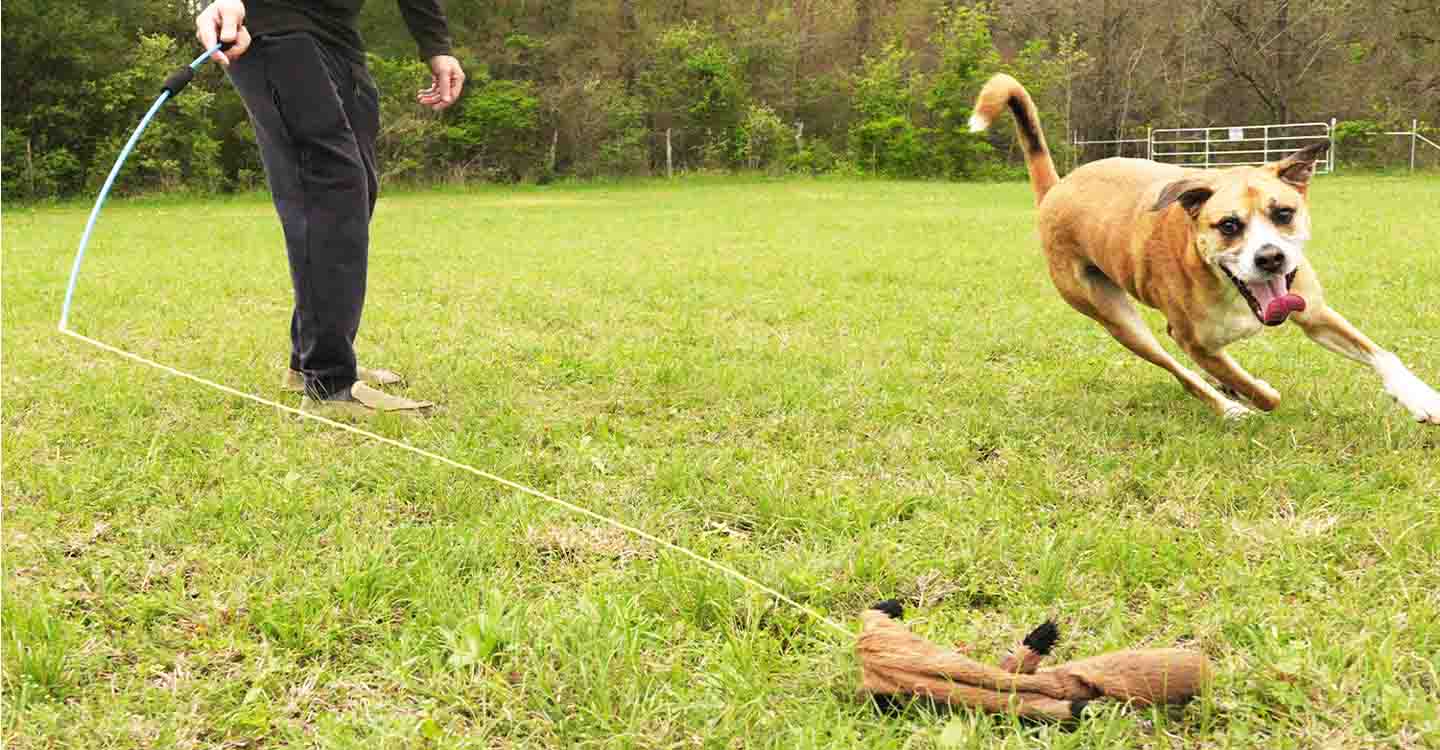
Drain the energy first with the flirt pole training guide, then layer on the impulse control drills that build self-regulation. When the restlessness also shows up as jumping, nipping, and attention-seeking, that whole pattern usually traces back to one under-worked dog.
Who This Is For
- Owners of a dog that never seems to switch off
- People whose dog is tired but still restless
- Owners of high-drive dogs that cannot relax indoors
- Anyone whose dog paces, whines, or repositions all evening
- People who want a dog that settles at cafes and homes
- Owners tired of a dog that demands attention nonstop
- Anyone who has exercised the dog and still gets no peace
Signs Your Dog Has No Off-Switch
- Tired but pacing, whining, or unable to lie still
- Following you room to room and never settling
- Constant attention-seeking even after exercise
- Getting up and repositioning every few minutes
- Amped and restless every evening
- Struggling to relax in public or new places
- A dog that only stops when it finally crashes
Calm Is a Trainable Skill
Most dogs are never taught to settle, so they simply do not know how. Because owners reward the exciting behaviors and ignore the quiet ones, the dog learns that action gets attention. So it never practices calm.
You can flip that. Reward stillness the way you reward a sit, and the dog learns that calm pays. Per the American Kennel Club, settling is a teachable behavior, not a personality trait.
Drain first, then teach
A dog full of energy cannot learn calm, so exercise comes first. Once the tank is lower, the dog can actually practice the off-switch instead of fighting it.
How to Build the Off-Switch
You build an off-switch in three steps. Capture calm on a mat with quiet rewards, attach a settle cue once stillness is reliable, then proof it in new places. Because a wound-up dog cannot practice calm, you always drain the energy first and reward the relaxation that follows.
Capture calm on a mat
Give the dog a mat and reward any moment of stillness, calmly and quietly. Because you are marking relaxation, keep your energy low and drop treats between the paws. Over days, the dog offers longer and longer calm to earn the reward.
Add the settle cue
Once calm is reliable on the mat, name it. Say your cue, wait for the dog to settle, then reward. So the word starts to predict relaxation, and eventually it triggers it.
Practice everywhere
Take the mat to new places once it works at home. When you proof the settle at cafes, friends’ houses, and busy spots, the off-switch becomes portable. The Cornell Riney Canine Health Center links predictable routines to lower stress.
Why It Isn’t Working Yet
The biggest mistake is skipping the exercise. Because a wound-up dog physically cannot relax, trying to train calm on a full tank just frustrates everyone. So drain the energy first, every time.
The second trap is rewarding with excitement. When you praise in a high, happy voice, you re-arouse the dog you just calmed. Keep everything low and boring, since calm rewards calm. Never punish a dog for being restless either, as that adds the stress you are trying to remove.
Be patient and consistent
An off-switch is built over weeks, not days. So practice a little daily, and the calm compounds into a dog that finally relaxes.
A tired dog is not the same as a calm dog. Tired is a state. Calm is a skill. Teach the skill and you get peace even on the high-energy days.
Christopher Lee Moran · Working Dog TrainerDrain, capture, name it
Burn It Off
A real exercise session first, since a full tank cannot learn calm.
Reward Stillness
Mark and reward calm on a mat, keeping your energy low and quiet.
Name the Calm
Add your settle cue and practice a little every day until it holds.
Tired is a state. Calm is a skill. Drain the energy, reward the stillness, name it, and repeat until the off-switch is reliable.
Sudden inability to settle can signal pain, anxiety, or a medical issue. When a dog that used to relax suddenly cannot, check with your vet. Restlessness paired with other changes deserves a professional look before training alone.
The Whimsy Stick: Drain First, Then Settle
An off-switch only works on a drained dog. A flirt pole empties the tank fast, so the calm training that follows actually sticks.
Read These Next to Go Deeper
Teaching a Dog to Settle: FAQ
How do I teach my dog to settle down?
Treat calm as a skill you train. Reward stillness on a mat, add a settle cue, and practice daily until the dog relaxes on command. Drain the energy with real exercise first, since a wound-up dog physically cannot learn to settle.
Why can’t my dog relax even when tired?
Because tired and calm are not the same thing. A dog can be physically exhausted but still mentally amped, especially if it was never taught to switch off. Teaching a settle skill gives the dog a way to come down instead of spinning.
What is a settle or place command?
It is a cue that tells the dog to relax on a mat or bed and stay calm. Unlike a strict stay, the goal is genuine relaxation, not rigid stillness. Built well, it becomes a portable off-switch you can use anywhere.
How long does it take to teach a dog to settle?
Usually a few weeks of short daily practice. Calm compounds slowly, so consistency matters more than long sessions. Most owners see real change within two to four weeks if they drain the energy first and reward calm every day.
Should I exercise my dog before settle training?
Yes, always drain the energy first. A dog on a full tank cannot practice calm, so training it then just frustrates everyone. Run a real session, then capture and reward the calm that naturally follows.
Can you train a hyper dog to be calm?
You can teach even a high-drive dog a reliable off-switch. It will still be energetic, but it learns to relax on cue when the energy is met. The combination of a real outlet plus settle training is what changes the household.
Why does my dog get more excited when I try to calm it?
Often because the rewards are too exciting. Praising in a high, happy voice re-arouses the dog you just settled. Keep your voice, movements, and treats low and boring, since calm energy is what teaches calm.
Is it bad to punish a dog for not settling?
Yes, punishment adds stress and makes settling harder. A restless dog is not being defiant, it simply has not learned the skill or has energy to burn. Drain the tank, reward the calm, and stay patient instead.


