
TL;DR
Winter exercise is two halves: short, intense outdoor bursts on the days you can, and real indoor energy burn on the days you cannot. A flirt pole in a garage, hallway recall sprints, and puzzle-fed meals all drain a wired dog without a frozen march. Keep outdoor sessions short and watch for cold-weather risks. Because a slow cold walk barely helps anyway, indoor intensity is the winter fix.
The indoor menu is in how to exercise a dog without walking, and the chase technique is in the flirt pole training guide.
Who This Is For
- Owners in cold climates skipping walks all winter
- People whose dog goes stir-crazy on snow days
- Anyone dreading five months of a wired indoor dog
- Owners of thin-coated dogs that hate the cold
- Apartment and house dwellers stuck inside by weather
- People who want winter energy burn without frostbite risk
- Anyone whose dog gets destructive when the walks stop
Signs Winter Is Beating You Both
- The dog is bouncing off the walls on snow days
- Walks have quietly dropped to almost nothing
- Chewing, digging, or barking has crept up since fall
- The dog paces and whines by the door
- Everyone in the house is short-tempered by February
- Short potty trips are the only outdoor time happening
- The dog is gaining weight from the winter slump
Short, Hard, and Then Inside
On the cold days, keep outdoor time short and intense. Because exposure is the real risk, a quick hard sprint in the yard beats a long shivering plod, and the American Kennel Club recommends keeping cold sessions brief. Then bring the rest of the work inside.
Watch the real cold-weather risks, because they matter more than most owners think. Ice-melt salt burns paws, thin-coated dogs chill fast, and frozen ground is slippery. Per the American Veterinary Medical Association, if it is too cold for you, it is often too cold for your dog.
Rinse the paws
So after any outdoor time, wipe or rinse the paws to clear salt and ice balls. It takes ten seconds and saves a lot of licking and limping.
Where the Real Burn Happens
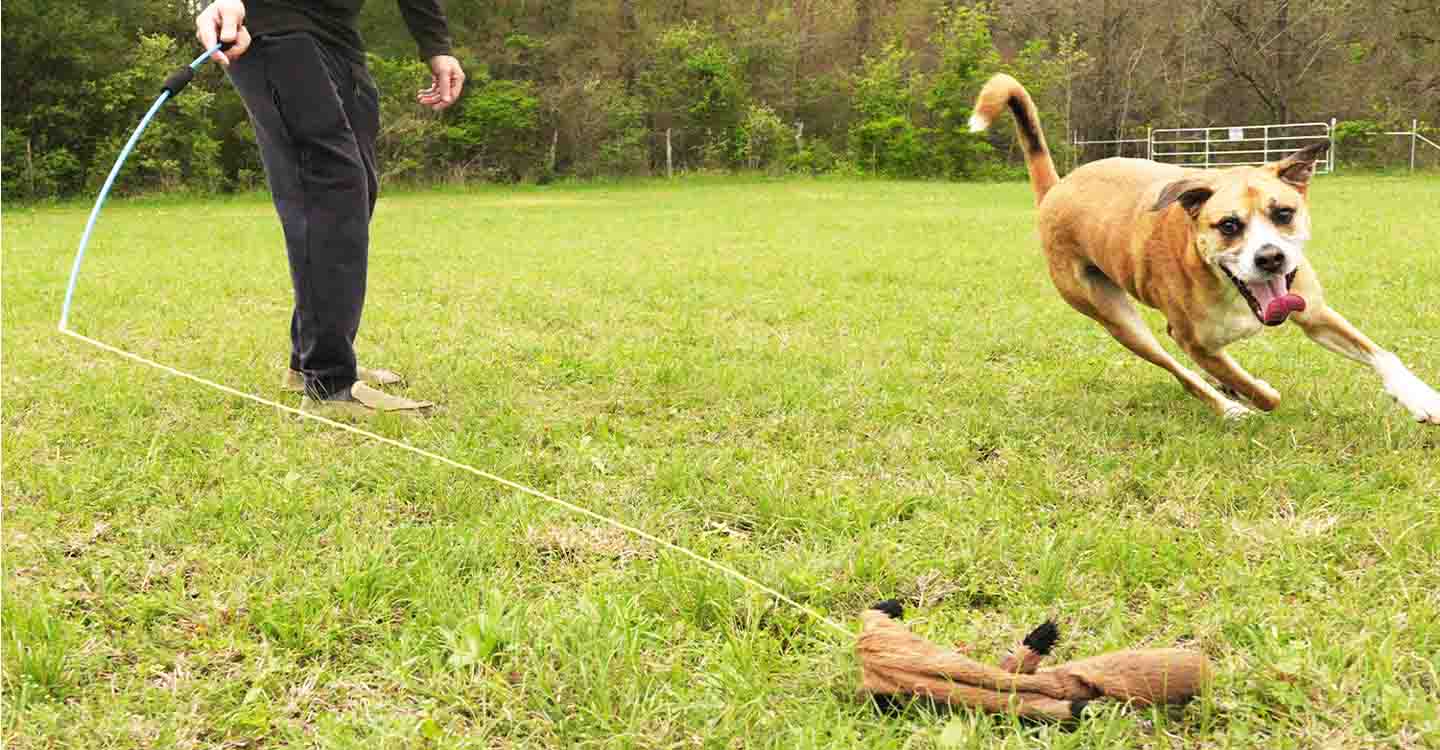
On cold days the real workout moves indoors. A flirt pole in a garage or basement, hallway recall sprints, and puzzle feeders all burn serious energy out of the wind. Because indoor chase finishes the predatory sequence, ten warm minutes inside beat thirty frozen ones outside.
Flirt pole in a garage or basement
A cleared garage, basement, or wide hallway is enough room for structured chase. Once inside, the dog sprints, cuts, and catches out of the wind and cold. This is the closest thing to a real workout on a snowed-in day.
Hallway recall sprints
Send the dog down a hallway for a tossed treat, then call it back for another. Because they repeat back to back, those sprints burn serious energy with zero gear. It doubles as recall practice, which is a nice winter bonus.
Puzzle feeders and scent games
Feed meals through puzzles and hide treats around the house for the dog to find. Since mental work tires a dog hard, it also fills the long dark evenings. See enrichment and mental stimulation for the full list.
Why Cold Walks Fall Short
A slow winter walk is low intensity and short by necessity, so it barely dents a high-drive dog. So the cold caps how long you last, but not how much energy the dog has.
Indoor chase flips that. It finishes the predatory motor pattern the walk never starts, so the dog ends satisfied instead of climbing the walls. That is why ten warm indoor minutes beat thirty frozen ones.
Keep it consistent
Because winter is long, protect the habit. A short daily session beats a heroic effort once a week, and it keeps the winter weight off too.
The cold does not lower your dog’s energy. It just lowers how long you last outside. Move the work indoors and winter stops running your house.
Christopher Lee Moran · Working Dog TrainerQuick out, hard in
Fast Potty Burst
A short, brisk outdoor romp, then straight back in before anyone gets cold.
Garage Chase
Flirt pole or hallway sprints in a cleared indoor space, hard and rested.
Nose Work
Scatter feed or a puzzle toy so the dog settles for the evening.
Winter does not lower your dog’s energy. It lowers your outdoor time. Move the burn indoors and the cold stops winning.
Watch for cold-weather dangers on outdoor time. Ice-melt salt burns paws, thin coats chill fast, and antifreeze is deadly. Keep sessions short in hard cold and rinse the paws after.
Warm the dog up before hard indoor sprints. When a dog comes in from the cold its muscles are tight, so ease into the fast work to avoid strains.
The Whimsy Stick: Built for the Garage in January
Indoor chase is the backbone of winter exercise. This is the tool that runs it in a garage, a basement, or a wide hallway.
Read These Next to Go Deeper
Winter Dog Exercise: FAQ
How do you exercise a dog in winter?
Split it into short outdoor bursts on the days you can and real indoor burn on the days you cannot. A flirt pole in a garage, hallway recall sprints, and puzzle feeders all drain a wired dog without a frozen walk. Keep cold outdoor sessions short and rinse the paws after.
How do I tire my dog out when it’s too cold to walk?
Move the workout indoors. Structured chase in a garage or basement, hallway sprints, and scent games burn serious energy out of the cold. Ten hard indoor minutes beat a shivering half-hour outside.
How cold is too cold to walk a dog?
It depends on the coat, size, and your region, but many dogs get uncomfortable below freezing and at risk in the teens and single digits. Thin-coated and small dogs feel it sooner. When it is dangerously cold for you, keep the dog’s outdoor time to quick potty trips and burn energy inside.
Do dogs need less exercise in winter?
No, they need the same energy outlet, just delivered differently. Their drive does not drop with the temperature. What drops is how long you can safely stay outside, so the plan shifts toward indoor intensity.
What are good indoor exercises for dogs?
Structured flirt pole chase in a cleared space, hallway recall sprints, stair work for healthy adult dogs, tug with rules, puzzle feeders, and scent games. Stack a physical option with a mental one for the best result.
Is it safe to run a flirt pole indoors?
Yes, in a cleared garage, basement, or wide hallway with non-slip footing. Keep the turns wide and the space free of furniture edges. It is one of the best ways to burn real energy out of the cold.
How do I stop winter weight gain in my dog?
Keep the energy burn consistent through the cold months and adjust food if activity drops. A short daily indoor session plus measured meals holds the weight. Watch the treats, since winter boredom drives extra snacking.
My dog is destructive on snow days. What helps?
Under-exercised boredom is usually the cause. Add a hard indoor chase session and a puzzle-fed meal, and the destruction usually fades within a couple of weeks. A drained dog naps through a storm instead of shredding the couch.


