

TL;DR
Ball obsession usually comes from repetitive fetch that spikes arousal without ever closing the chase-and-catch loop. Because the dog never gets a real capture, it stays stuck chasing the hit and cannot settle. The fix is structured drive work with clear start and stop cues, an off-switch, and a fuller outlet like a flirt pole, not more throwing. Since the loop never closes on a bouncing ball, closing it is the whole cure.
The off-switch skills live in the flirt pole impulse control drills, and the drive mechanics are in the flirt pole training guide.
Who This Is For
- Owners whose dog cannot relax around a ball
- People whose dog whines and paces for the next throw
- Owners worried fetch has become compulsive
- Anyone whose dog ignores food and water for the ball
- People whose dog is wound tighter after fetch, not calmer
- Owners of high-drive retrievers and herders
- Anyone who wants a calmer, more controllable dog
Signs Fetch Has Become an Obsession
- The dog ignores food, water, and rest when a ball is out
- Whining, pacing, or trembling for the next throw
- Dropping the ball on you nonstop and demanding
- The dog gets more wound up after fetch, not calmer
- Guarding or refusing to release the ball
- Fixating on any round object it can find
- No ability to settle once fetch starts
Why the Ball Takes Over
Fetch feels great to a dog, but it is a broken version of hunting. Because the dog chases and grabs but never completes a real capture-and-win, the instinct never gets its payoff. So the brain keeps firing, chasing the next hit instead of settling.
Repetition makes it worse. Endless identical throws flood the dog with arousal chemicals and build a compulsive loop. Per the American Kennel Club, obsessive toy focus is worth interrupting before it hardens.
Arousal is not the same as tired
A wound-up dog looks exercised but is actually amped. So a fetch-obsessed dog is often exhausted and frantic at the same time, which is the worst of both.
Why Obsession Is a Problem
An obsessed dog is a stressed dog. Because it cannot switch off, it lives in a state of low-grade anxiety around anything round. So the ball stops being fun and becomes a compulsion that runs the dog.
It also crowds out everything healthy. When the ball is all that matters, training, calm, and other outlets fall away. The Cornell Riney Canine Health Center notes that compulsive patterns can affect a dog’s welfare.
This is fixable
None of this means fetch is evil or your dog is broken. So with structure and a better outlet, most dogs learn to enjoy a ball again without losing their minds.
Structure Beats More Throwing
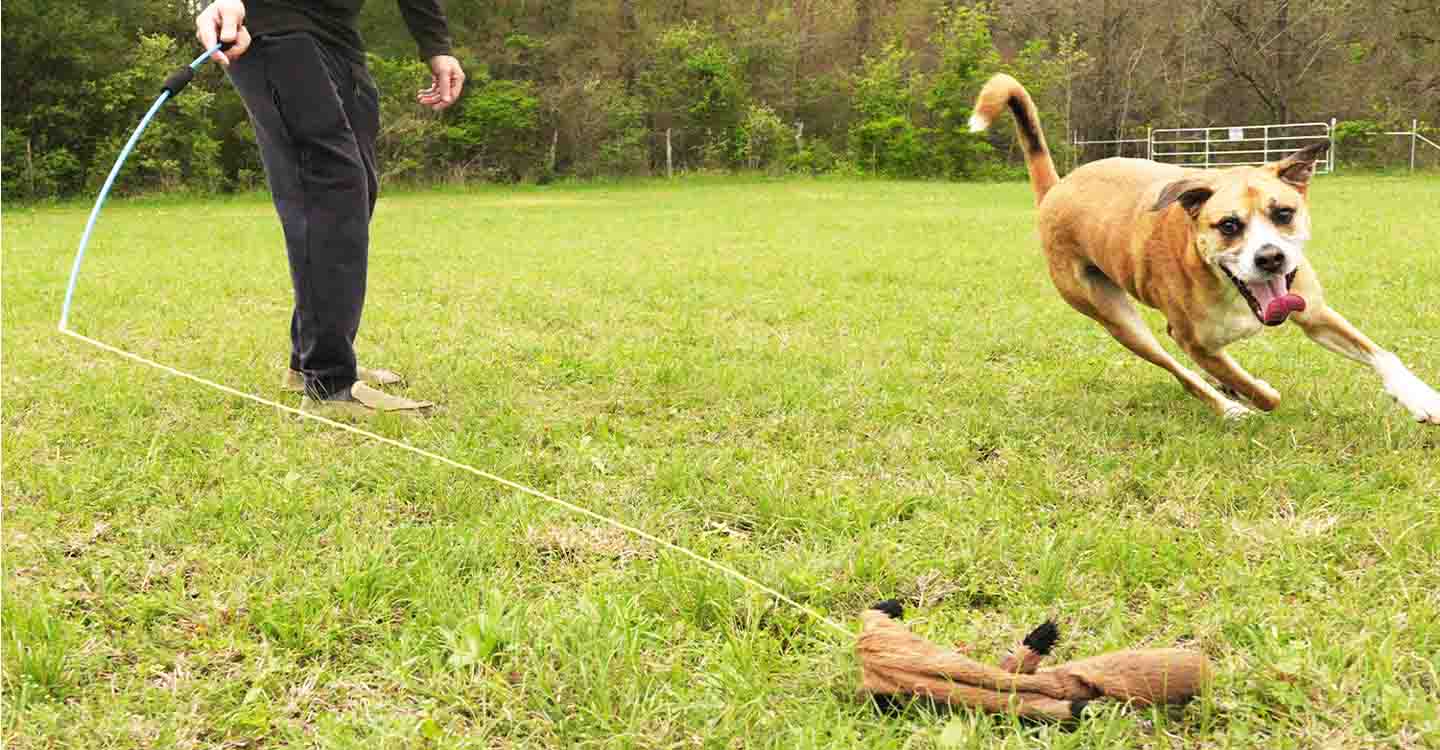
The cure is rules, not more reps. Because the loop needs to close, give the dog a real capture-and-win instead of an endless bouncing chase. A flirt pole lets the dog stalk, chase, catch, and actually win, which finishes the sequence a ball leaves open.
Add hard start and stop cues so play has a clear on and off. Ask for a sit before each throw, a clean drop after, and a settle to end. When the dog learns the game starts and stops on your word, the frantic edge fades. Retire the ball for a while if the fixation is severe.
End on calm, every time
Finish sessions with scent work or a chew so the dog comes down instead of rebounding. When play reliably ends in calm, the obsession loses its grip.
A ball that never gets truly caught is a slot machine, not a toy. Close the loop with a real capture and the compulsion finally has an off-switch.
Christopher Lee Moran · Working Dog TrainerClose the loop, then settle
Ask First
Begin with a sit and a clear start cue, so play happens on your word.
Real Wins
Flirt pole chase where the dog actually catches and wins, closing the loop.
Settle Down
End with a drop, a settle cue, and scent work so the dog comes down calm.
More throwing feeds the obsession. A real capture plus start and stop rules closes the loop and gives the dog an off-switch.
Severe obsession with trembling, guarding, or an inability to eat can need professional help. When structure alone does not ease it, work with a qualified trainer or veterinary behaviorist. Rule out pain or a compulsive disorder with your vet.
The Whimsy Stick: Closes the Loop a Ball Leaves Open
Fetch never lets a dog truly catch and win, so the loop stays open. A flirt pole closes it with a real capture, which is exactly what a fixated dog is missing.
Read These Next to Go Deeper
Dog Ball Obsession: FAQ
Why is my dog obsessed with the ball?
Repetitive fetch spikes arousal but never closes the chase-and-catch loop, so the instinct never gets its payoff. Because the dog keeps chasing the hit without a real capture, a compulsive pattern builds. Structure and a fuller outlet fix it better than more throwing.
Is ball obsession bad for dogs?
It can be, since an obsessed dog lives in low-grade stress and cannot switch off. It also crowds out food, rest, training, and other healthy outlets. Occasional fetch is fine, but a dog that cannot relax around a ball needs help closing the loop.
How do I stop my dog’s fetch obsession?
Trade endless throwing for structured drive work with clear start and stop cues. Give the dog a real capture with a flirt pole, ask for calm before and after, and end sessions on settle. Retiring the ball for a while helps in severe cases.
Should I stop playing fetch with my dog?
Not forever, but a break helps break the loop. Retire the ball for a couple of weeks while you build an off-switch and a better outlet, then reintroduce it with rules. Fetch on cue with clear stops is very different from all-day compulsive throwing.
Why is my dog more hyper after fetch?
Because repetitive fetch floods the dog with arousal without a satisfying finish. The dog looks exercised but is actually amped, chasing the next hit. A closed-loop outlet plus a calm ending brings the dog down instead of winding it up.
Can a flirt pole help with ball obsession?
Yes, it closes the loop fetch leaves open. A flirt pole lets the dog stalk, chase, catch, and win, which satisfies the full instinct. Paired with start-stop rules and a settle cue, it gives the dog the off-switch a bouncing ball never provided.
Is my dog’s ball obsession a compulsive disorder?
It can cross into one in severe cases, with trembling, guarding, or refusing to eat. If structure and a better outlet do not ease it, see your vet or a veterinary behaviorist. They can rule out pain and address a true compulsive disorder.
How do I get my dog to give up the ball?
Teach a clean drop with a trade for something good, and make the game start and stop on your cue. When releasing the ball reliably earns another turn or a treat, the grip loosens. Pair it with a settle cue so play ends calm.


