

TL;DR
Dogs dig from boredom, pent-up energy, hunting instinct, or to find cool ground, so the fix depends on the cause. Filling holes does nothing, because it ignores why the dog dug. Drain the energy with hard daily exercise, add mental work, block problem spots, and give true diggers a legal dig pit. A satisfied dog stops excavating the yard. Since digging is usually an outlet for unspent drive, a bigger outlet solves it.
For the energy side, see why your dog destroys things when bored, and the outlet itself is in the flirt pole training guide. The same unspent drive often shows up as restlessness, jumping, and attention-seeking indoors, so treat the digging as one symptom of a bigger pattern.
Who This Is For
- Owners whose yard is full of holes
- People whose garden and flower beds keep getting destroyed
- Owners of terriers and other bred-to-dig breeds
- Anyone whose dog digs under the fence to escape
- People who have tried yelling with no luck
- Owners of a bored dog left alone in the yard
- Anyone who wants the digging fixed at the root
Signs Behind the Digging
- Fresh holes after the dog is left alone in the yard
- Digging that ramps up when exercise drops
- Craters near fences, shade, or cool dirt
- A dog that digs and then loses interest fast
- Digging paired with chewing or barking
- A high-drive or terrier-type breed with no outlet
- Escape holes under the fence line
Why Dogs Actually Dig
Digging is almost never spite, and it is not the dog being bad. Because dogs dig for concrete reasons, naming the reason is step one. Boredom and pent-up energy top the list, followed by hunting instinct and comfort-seeking.
Some breeds are simply wired for it. Terriers and dachshunds were bred to dig prey out of the ground, so the drive runs deep. Per the American Kennel Club, matching the fix to the reason is what actually works.
Boredom versus heat versus prey
A bored dog digs anywhere out of restlessness. A hot dog digs cool pits in the shade, while a hunting dog digs after critters near the fence. So watch where and when, because the pattern names the cause.
Drain the Energy First
Most yard digging is boredom and unspent energy wearing paws. Because a dog with no job invents one, the fastest fix is a real daily outlet. So hard exercise plus mental work removes the fuel behind the holes.
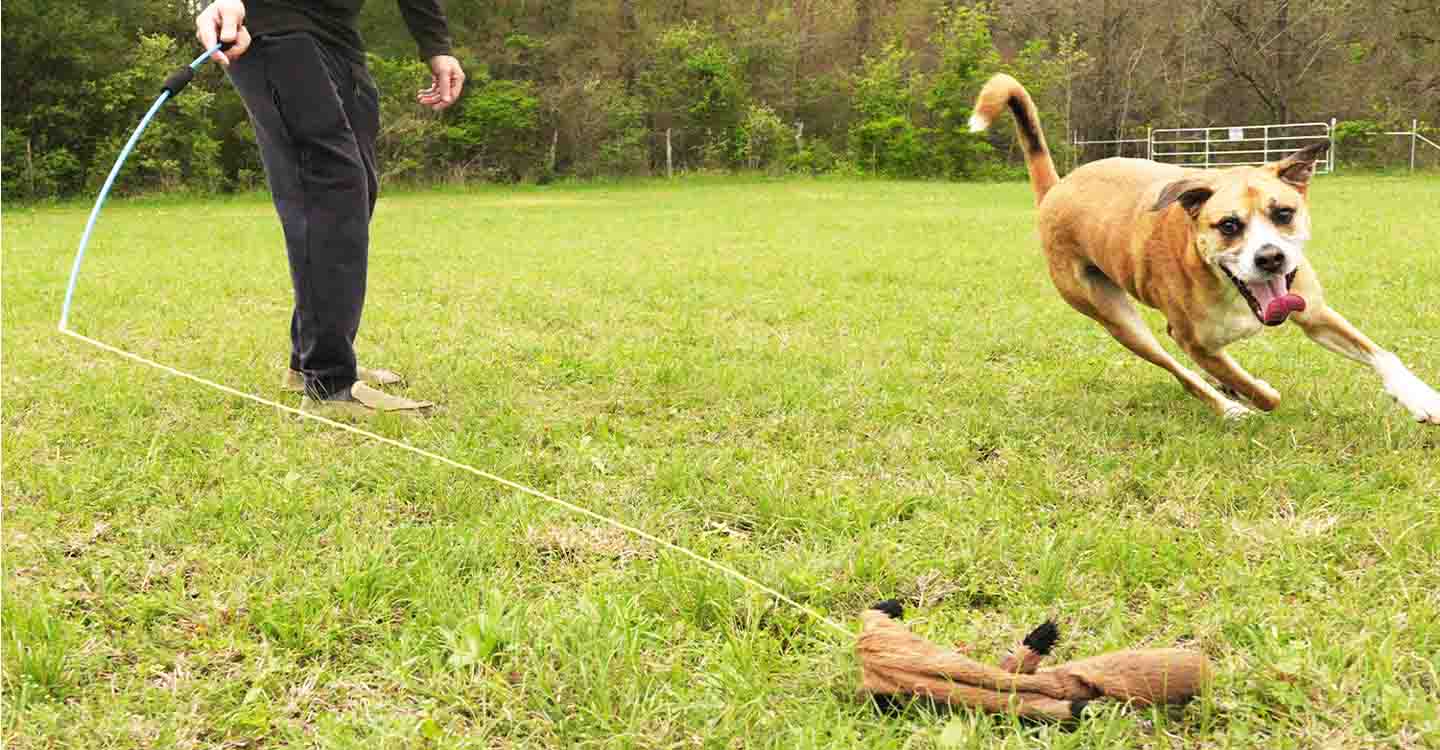
Structured chase drains the drive that digging leaks out. When a dog gets to sprint, cut, and catch, the restless energy that would have gone into the flower bed is already gone. Add puzzle feeders and scent games for the mental side, and the yard stops taking the hit. The ASPCA agrees that exercise and enrichment reduce problem digging.
Never leave a bored digger alone outside
A dog dumped in the yard for hours will dig, every time. So exercise first, then supervise yard time, since an unsupervised bored dog always finds the dirt.
Redirect and Block
For dogs who genuinely love to dig, give them a legal place to do it. Build a dig pit or a sandbox, bury toys in it, and reward digging there. Because you cannot delete a terrier’s instinct, you channel it instead.
Block the problem spots too. Fence off garden beds, put large rocks in favorite holes, and shade the yard so heat-diggers stay cool. When the easy digging spots close and a legal one opens, the choice makes itself.
Skip the punishment
Yelling after the fact teaches nothing, since the dog cannot connect it to the hole. So supervise, interrupt calmly in the act, and redirect to the dig pit instead.
A digging dog is not wrecking your yard on purpose. It is doing a job you never assigned. Give it a real one and the craters close.
Christopher Lee Moran · Working Dog TrainerFilling holes fixes nothing. Drain the energy, add a job, and give true diggers a legal pit. A satisfied dog leaves the yard alone.
Escape digging under a fence is a safety issue. A dog digging out can be hit by a car or lost, so secure the fence line with buried wire or pavers and never leave an escaper unsupervised outside.
Sudden obsessive digging can rarely signal stress or a medical issue. When digging spikes with other anxious changes, check with your vet or a behavior pro to rule it out.
The Whimsy Stick: Drains the Drive Behind the Dirt
Most digging is unspent drive escaping through the paws. A flirt pole spends that drive on purpose, so the yard stops being the outlet.
Read These Next to Go Deeper
Dog Digging: FAQ
How do I stop my dog from digging?
Find the reason and remove it. Most digging comes from boredom, pent-up energy, or hunting drive, so a bigger daily outlet fixes it faster than filling holes. Drain the energy with hard exercise, add mental work, block problem spots, and give a true digger a legal dig pit.
Why does my dog dig holes in the yard?
Usually boredom or unspent energy, sometimes hunting instinct, heat, or anxiety. Where and when the dog digs points to the cause: random holes suggest boredom, shady pits suggest heat, and fence-line holes suggest prey or escape. Match the fix to the reason.
Does filling holes stop a dog from digging?
No, on its own it just moves the holes. Filling a hole ignores why the dog dug it, so the behavior continues elsewhere. It only helps as part of a plan that also drains the energy and redirects the drive.
How do I give my dog a place to dig?
Build a dig pit or sandbox in one corner and make it the best spot around. Bury toys and treats in it, reward digging there, and gently steer the dog to it. Because you cannot erase the instinct, giving it a legal home is the realistic win.
Do certain breeds dig more?
Yes, terriers, dachshunds, and other earth-dog breeds were bred to dig prey from the ground. That drive runs deep and will not disappear. These dogs need a strong daily outlet and often a legal dig spot, since fighting the instinct rarely works.
Will more exercise stop digging?
For boredom-driven digging, usually yes. A dog that gets a real energy burn and mental work has little restless drive left for the yard. Exercise first, then supervise yard time, since an under-exercised dog left alone outside will dig every time.
Why does my dog dig under the fence?
Often to chase something, to escape, or out of boredom. Escape digging is a real safety risk, so secure the fence line with buried wire or pavers. Then address the boredom or prey drive behind the urge with a proper outlet.
Should I punish my dog for digging?
No, punishment after the fact does not work, since the dog cannot link it to the hole. It also adds stress that can make things worse. Supervise, calmly interrupt digging in the act, and redirect to the legal dig spot instead.


