

TL;DR
Zoomies, or frenetic random activity periods, are normal bursts that dump pent-up energy, excitement, or stress. Because they often follow a bath, a nap, or a long boring stretch, an occasional one is healthy. Frequent zoomies, though, usually mean a dog is under-exercised. Give a daily energy outlet, keep the footing safe, and the chaos settles. Since the burst is stored energy escaping, the fix is spending it on purpose.
For the daily outlet, see how to tire out a high-energy dog, and the technique behind it is in the flirt pole training guide.
Who This Is For
- Owners baffled by sudden frantic sprint sessions
- People whose dog zoomies every single evening
- Owners worried the zoomies mean something is wrong
- Anyone whose dog zoomies on slick floors and crashes
- People who want to channel the burst safely
- Owners of high-energy dogs with a nightly explosion
- Anyone curious what zoomies actually are
Signs the Zoomies Are Telling You Something
- Frantic sprints happening several times a day
- Zoomies right after being cooped up or alone too long
- Crashing into furniture or sliding on hard floors
- The dog seems wound up rather than joyful
- Evening explosions that never seem to end
- Zoomies paired with chewing, barking, or pacing
- A young dog that never gets a real energy outlet
What a Zoomie Actually Is
A zoomie is a sudden release of built-up energy or arousal. Because the pressure has to go somewhere, the body dumps it all at once in a frantic sprint. Trainers call it a frenetic random activity period, or FRAP.
Common triggers give it away. Zoomies often hit after a bath, after a nap, after a long confined stretch, or during a spike of excitement. Per the American Kennel Club, they are a normal way for dogs to burn off steam.
When it is joy versus pressure
A quick happy zoomie after a bath is pure joy. When the sprints come nightly and look frantic, though, that is stored energy escaping because nothing else drained it.
Normal, Until It Isn’t
An occasional zoomie is healthy and needs no fixing. Because dogs naturally cycle through arousal, the odd burst is just steam venting. So do not punish it, since that only adds stress to an already wound-up dog.
Frequency is the real signal. When zoomies fire several times a day, or every evening without fail, the dog is telling you the daily outlet is not enough. So the answer is rarely to stop the zoomies, it is to drain the tank first.
The safety exception
Slick floors turn zoomies into injuries. When your dog sprints on tile or hardwood, redirect it to grass or carpet, because a blown knee is a real risk.
Channel the Burst, Don’t Fight It
You cannot punish a zoomie away, but you can make it rare. Because the burst is unspent energy, a real daily outlet removes the fuel. So a dog that gets to sprint and chase on purpose rarely needs to explode at 9pm, a payoff the Cornell Riney Canine Health Center ties to daily activity.
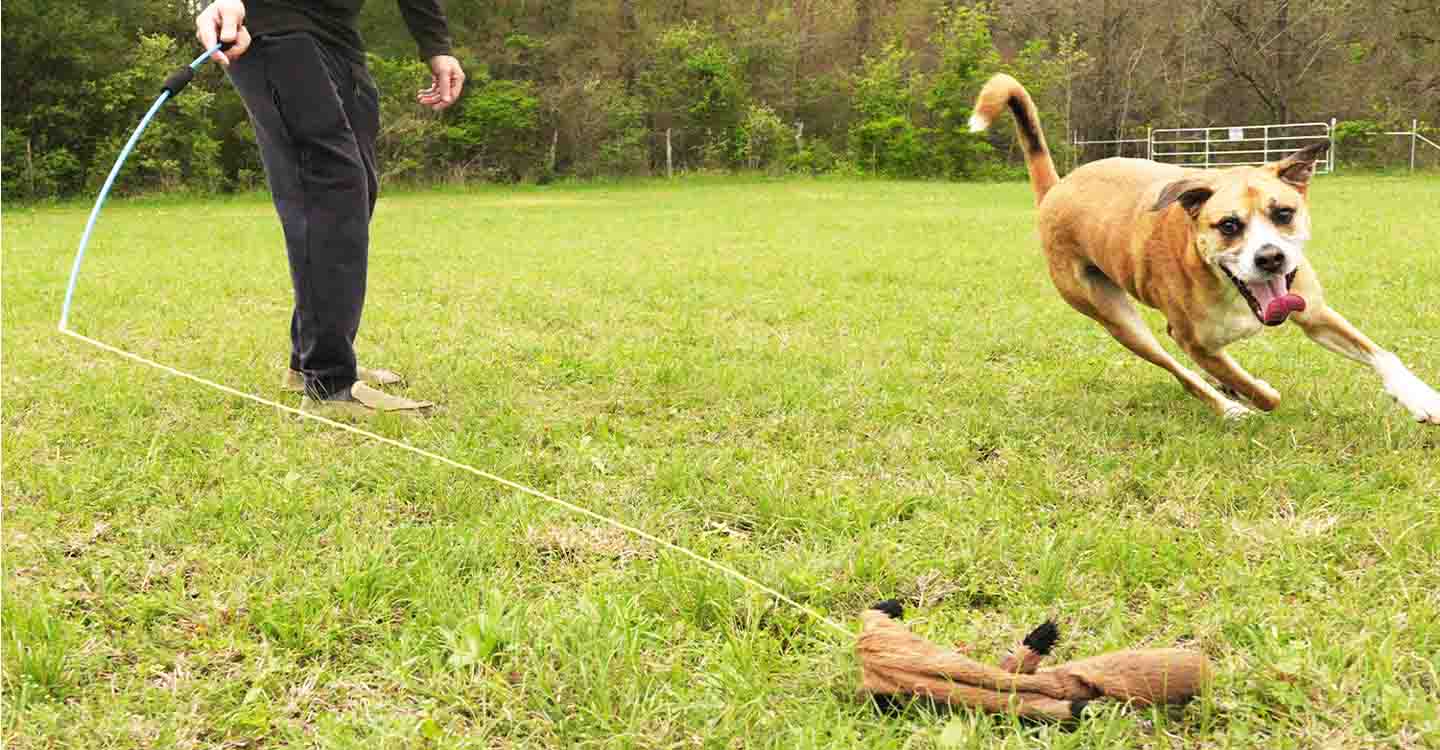
Structured chase is the cleanest outlet. It lets the dog run flat out, cut, and catch in a safe space, which scratches the exact itch a zoomie is trying to reach. When the burst does come, give it room on safe footing and let it run its course. For the calm-down side, see impulse control drills.
Drain, then settle
Pair the physical burn with a wind-down like scent work, so the dog comes down instead of rebounding. When you end on calm, the evening explosion fades for good.
A zoomie is not bad behavior. It is a pressure valve. Give the dog a real outlet and the valve rarely has to blow.
Christopher Lee Moran · Working Dog TrainerBurn it, then settle it
Hard Chase
A structured flirt pole session so the dog spends the energy on purpose, not at midnight.
Give It Room
When a zoomie hits, clear the path to grass or carpet and let it run out.
Nose Work
Scatter feeding to bring arousal down so the dog stays settled after.
Zoomies are stored energy escaping. Spend it on purpose during the day and the frantic midnight sprints mostly disappear.
Keep zoomies off slick floors. Tile and hardwood cause slips that can tear a knee ligament. Guide a zooming dog to grass or carpet, and clear sharp furniture edges from the sprint path.
Sudden, constant frantic activity can rarely signal a medical or anxiety issue. When zoomies come with distress, pacing, or other odd changes, check with your vet to rule it out.
The Whimsy Stick: The On-Purpose Zoomie
The cleanest way to kill the midnight zoomie is to let the dog sprint on purpose earlier. A flirt pole gives that burst a safe, structured home.
Read These Next to Go Deeper
Dog Zoomies: FAQ
Why does my dog get the zoomies?
Zoomies are sudden bursts that release pent-up energy, excitement, or stress. They often fire after a bath, a nap, or a long boring stretch, when built-up arousal finally escapes. An occasional one is normal, while frequent zoomies usually mean a dog needs a better daily outlet.
Are zoomies a sign of a happy dog?
Often, yes. A quick zoomie after play or a bath is a joyful release. When the sprints come nightly and look frantic, though, the dog is more likely venting pent-up energy than pure joy, so look at the daily exercise.
Should I stop my dog’s zoomies?
Not the occasional ones, since they are a healthy release. What you can do is make them rare by giving a real energy outlet during the day. Never punish a zoomie, because that adds stress to an already wound-up dog and can backfire.
How do I calm a dog during zoomies?
Give the burst a safe place to run out rather than chasing or grabbing. Guide the dog to grass or carpet, keep the path clear, and wait it out. Afterward, a bit of scent work or calm training helps the dog come down.
Are zoomies dangerous?
The sprint itself is usually harmless, but the footing matters. Zoomies on slick floors cause slips that can tear a knee, so redirect to grass or carpet. Watch for crashes into furniture and clear sharp edges from the path.
Why does my dog get zoomies at night?
Evening zoomies usually mean the day’s energy never got spent. After a quiet day or a long alone stretch, the tank overflows right when you want to relax. Add a hard session earlier in the evening and the nightly explosion tends to fade.
Do zoomies mean my dog needs more exercise?
Frequent ones often do. If your dog zoomies several times a day or every night, treat it as a signal that the daily outlet is too small. A real energy burn plus mental work usually settles the pattern within a couple of weeks.
At what age do dogs get zoomies?
Puppies and young dogs zoomie the most, since they have the most energy and the least impulse control. Many dogs keep the occasional zoomie into adulthood, and even seniors do it now and then. Frequency usually drops as a dog matures and gets a steady outlet.


