

TL;DR
Swimming is one of the best low-impact workouts out there, cause the water carries the dog’s body and the muscles still have to work hard. It burns calories and builds strength and goes easy on sore joints, so it fits overweight, arthritic, senior and recovering dogs well. Bring them in slowly, use a life vest at first, and never leave a swimming dog alone. Not every dog is a natural, so patience and safety matter a lot more than getting there fast.
Plan out the week with the dog exercise guide, mix swimming with some land work like the canine conditioning exercises, and save the flirt pole training guide for the days you’re not near water.
Who This Is For
- Your dog is overweight and needs cardio that’s easy on the joints
- Your dog is older or arthritic and hurts after land exercise
- You’re bringing a dog back to fitness (with your vet’s OK)
- You’ve got a high-drive dog and want a big energy burn
- You live near a safe lake, a pool or a dog swim center
- Your dog’s breed tends to love the water
- You want something different from walks and chase
Signs Swimming Might Be Right
- Your dog is overweight and has a hard time with land exercise
- Arthritis or joint pain flares up after a hard walk
- Your dog is recovering and the vet cleared them for gentle movement
- Your high-drive dog never seems to get tired
- Summers where you live get too hot for much land exercise
- Your dog already goes for every puddle and pond
- You want cardio that goes easy on the joints
Why Water Is So Effective
The water holds the dog up, but the muscles still have to push against it. The joints are carrying very little, so a dog can work hard without the pounding they’d take on a run. That’s how swimming gives real cardio without a lot of wear and tear.
That’s a big part of why it gets talked about so much for heavy dogs and dogs coming back from an injury. A heavy dog can burn calories without beating up sore joints, and a recovering dog can rebuild some muscle, with the vet’s OK. Per the American Kennel Club, swimming is excellent low-impact conditioning.
Who benefits most
Older dogs, arthritic dogs, heavy dogs and high-drive dogs can all get a lot out of it. When running on land hurts or gets them too hot, water is a lot of times the safest hard workout you’ve got.
How to Start Safely
To get a dog swimming safely, go slow and keep it positive. Let them wade in on their own time with some treats, put a dog life vest on them, and never throw them in. They have to trust it first, so a calm start in shallow, still water beats a fast one. Watch them every second they’re in there.
Go slow and positive
Don’t ever throw a dog in the water, cause that can make them scared of it for life. Let them wade in when they’re ready with treats and praise, cause they need to trust it first, and that’s why the slow way wins.
Use a canine life vest
I’d put a dog life vest on for the first sessions and any time you’re in open water, cause even strong swimmers get tired and the vest gives you some room for error. Keep the first swims short and stop while your dog still has some gas left.
Pick safe water
Start in a pool or a calm shallow lake or a dog swim center and not somewhere with a current or waves, and rinse your dog off after, especially after chlorine or lake water, so the coat and skin stay healthy. And you’ve gotta supervise around water every single time.
What Swimming Does Not Cover
Swimming is a great workout for the body, but that’s only part of it. I’ve found a dog with a satisfied animal instinct is a lot better behaved, and swimming doesn’t give them the chase and the catch. So a dog that only swims can still be restless in the head, and I’d pair it with some drive work on land.
And not every dog swims, which is fine. Some breeds sink more than they float and some dogs just hate it, so don’t ever force it. If water’s not an option, land stuff like structured chase and scent work can do the job.
Balance the week
I’d mix swimming with a little conditioning on land and some brain work, cause put together you’re taking care of strength and cardio and the drive too.
Wade, float, rest
Wade In
Let your dog check out the shallow water with treats and praise, with the vest on and no pressure at all.
Short Laps
Do a few short swims toward you with some support and stop while they still have energy.
Rinse and Rest
Rinse the coat and dry the ears and give your dog some time to settle after.
Swimming lets a dog work hard without hurting their joints cause the water takes the weight and the muscles still do the work, so start slow and put the vest on and don’t ever leave a swimming dog alone.
Don’t ever leave a swimming dog unsupervised, and use a life vest at first, cause dogs get tired and can panic in the water and pool edges and currents are dangerous. Rinse off chlorine and lake water after, and dry the ears to help prevent infections.
If your dog is recovering or arthritic or has a heart condition, get your vet’s OK first, cause swimming is easy on the joints but it’s still real cardio, so make sure your dog is cleared before any hard work in the water.
The Whimsy Stick: For the Days You Stay Dry
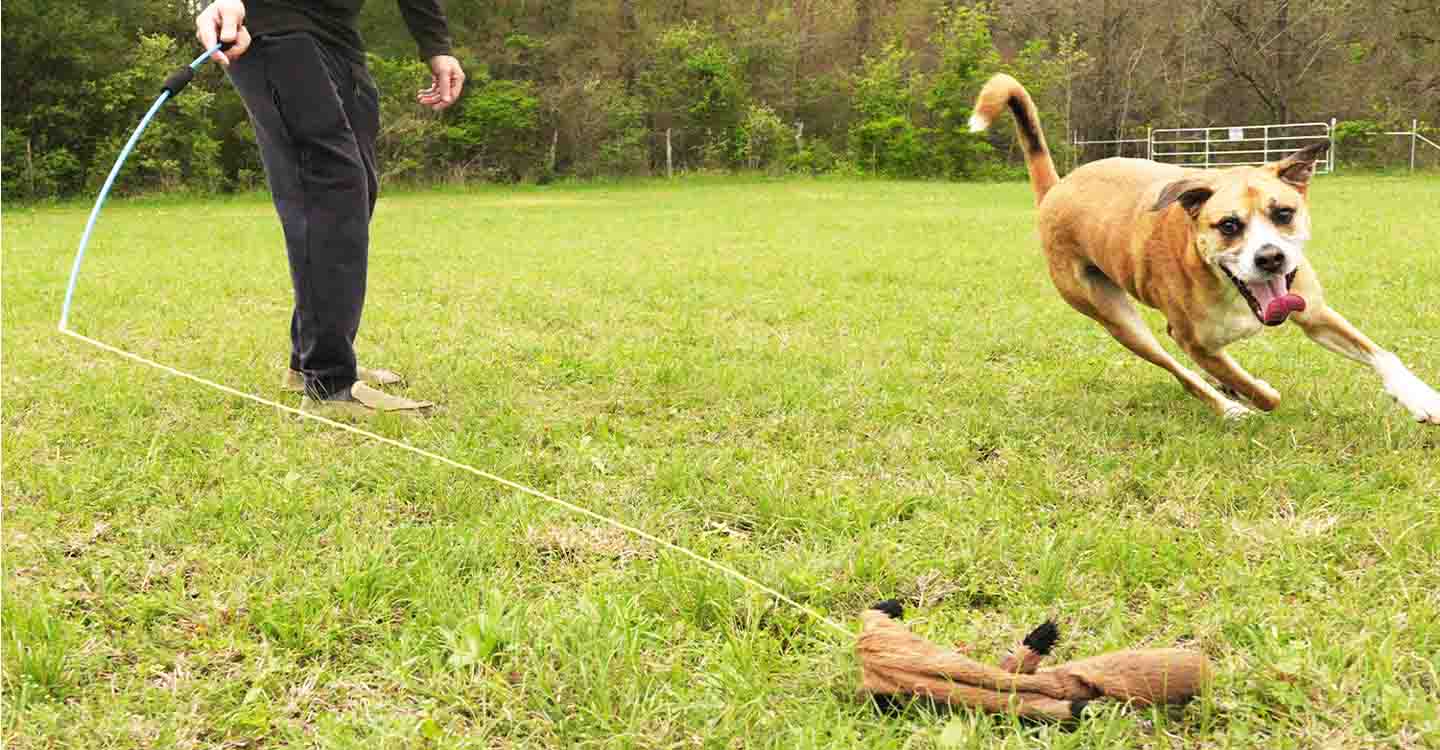
You can’t always get to water, and swimming doesn’t scratch the chase itch anyway. A flirt pole takes care of the drive side, and it’s there for the days you’re not swimming.
Read These Next to Go Deeper
Want more of this in your Google results? Add Whimsy Stick as a preferred source.
Swimming as Dog Exercise: FAQ
Is swimming good exercise for dogs?
Yeah, it’s one of the best low-impact workouts there is, cause the water holds the body up so swimming burns calories and builds muscle without pounding the joints. It’s a great fit for overweight and arthritic and senior and recovering dogs, as long as you bring them into it slow and supervise.
How long should a dog swim for exercise?
I’d start with five to ten minutes and build up slow, cause swimming wears a dog out more than it looks like and short sessions are plenty at first. Stop while your dog still has energy instead of pushing till they’re worn out, and add time over the weeks as they get in better shape.
Is swimming better than walking for dogs?
For cardio that’s easy on the joints, a lot of times yes, cause the water takes away the impact a walk still has. Swimming also works the whole body. A walk still gives your dog sniffing and some conditioning on land though, so I’d do both.
How do I teach my dog to swim?
Go slow and keep it positive, so let them wade in on their own time with treats and praise and put a life vest on them and don’t ever throw them in. Start in calm shallow water and support your dog till they figure out how to paddle.
Is swimming safe for all dogs?
Not every dog is a natural swimmer, cause some breeds sink more than they float and some dogs just don’t like water. I’d always use a life vest at first and pick calm water and watch closely, and don’t ever force a dog that’s scared.
Can overweight dogs swim to lose weight?
Yeah, and it’s a great option, cause the water spares the joints while your dog burns real calories, which is just what a heavy dog that struggles on land needs. Pair it with a diet your vet helps you set up though, cause losing weight still comes down mostly to food.
Do I need a life vest for my dog?
For the first sessions and any open water, yeah. Even strong swimmers get tired and a vest gives you a safety margin that really matters, and it also helps a nervous dog feel more secure while they learn.
Does swimming tire a dog out mentally?
Not as much as chase or scent work. Swimming is a good hard workout for the body but it doesn’t satisfy the instinct to chase, so I’d pair it with some drive-based play or puzzles so the brain gets tired too.


