
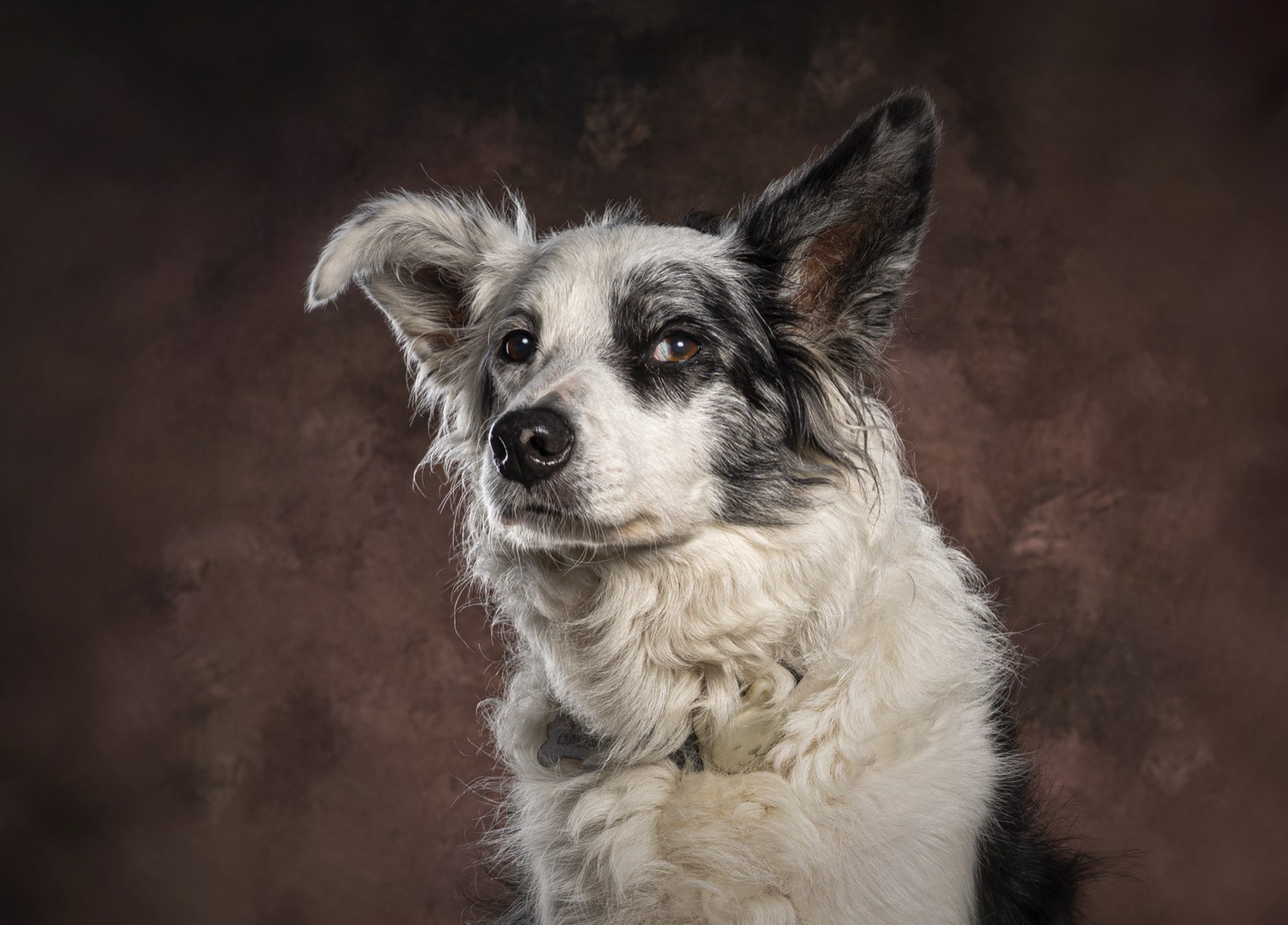
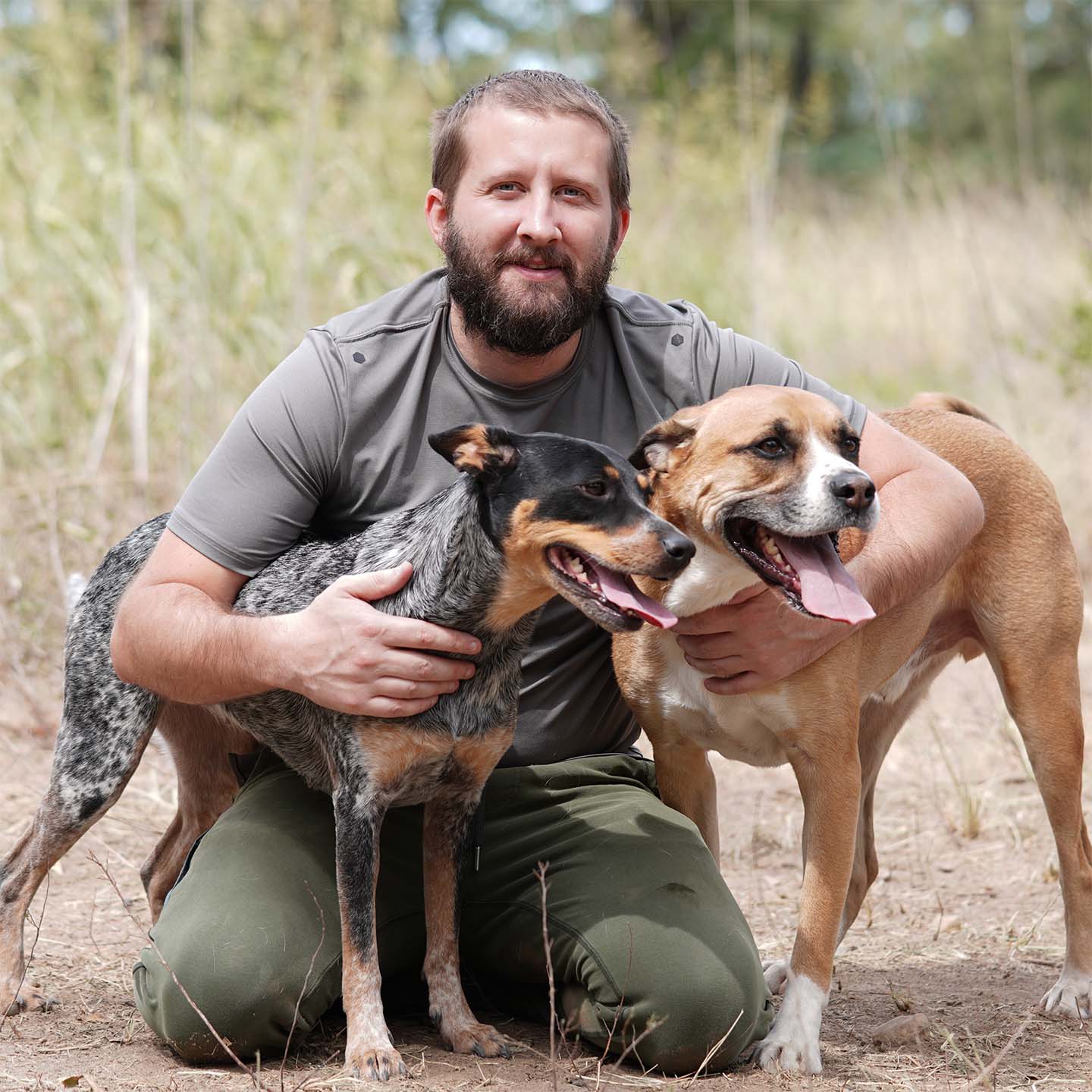
Quick summary
A dog never really stops talking to you, it just doesn’t use sound. So when I say read body language I mean you take the eyes, ears, mouth, tail and posture as one picture and then hold that picture up against whatever’s happening around the dog right then. One piece alone won’t tell you much cause the signals stack.
The payoff is you see it coming. Calming and stress signals a lot of times show up seconds or even minutes before a growl or a snap or a dog bolting off, and if you catch them you’ve got time to back up, ease off, or just call it and leave. Pretty much every training page on this site assumes you already know how to read this stuff.
- Somebody told you a bite “came out of nowhere.”
- You live with a fearful, reactive or newly adopted dog.
- You’re a parent trying to tell when a dog and a kid need space.
- You want to read a dog at the park before you reach for it.
- You’re a new owner learning what a wag, a yawn or a freeze actually means.
- Whale eye, where the head turns away, the whites show and the eyes stay on the trigger.
- A hard freeze right before a snap.
- Lip licks and yawns when there’s no food around and nobody’s tired.
- The mouth closes up tight after minutes of relaxed panting.
- A high, stiff, fast wag that people take as friendly.
- Ears pinned flat back on the head.
What Dog Body Language Actually Is
Body language is just everything a dog says that you can see. They don’t have words, so it comes out through the eyes, ears, mouth, tail, coat and the way they hold their body. Put it all together and it tells you how the dog feels and a lot of times what it’s gonna do next, usually a good bit before it does it.
It is a stream, not a snapshot
A dog is signaling the whole time it’s awake and the picture shifts every time something around it changes, which is why one photo or one wag can fool you. I wouldn’t lock on to any one signal. Watch how it moves instead, what changed, how fast, and which direction it went.
Signals come in groups and that’s how you should read them. Say you’ve got a soft face, a loose wag and a wiggly body, that’s one dog. Put that same wag on a dog with a shut mouth and a hard stare and it’s a real different dog. So the rule that keeps you safe is simple enough, read the whole dog.
Comfortable versus uncomfortable
Most of it falls into two buckets, loose or tight. A comfortable dog is loose and curvy and kinda bouncy with a soft mouth and eyes that blink. A dog that’s uncomfortable goes stiff and still and hard, mouth closed, eyes fixed. Once you start sorting dogs into loose and tight, a lot of body language gets way easier to call.
If the dog’s loose and curvy and wiggly it’s comfortable, and if it’s stiff and still and hard it needs space, so I’d look at how tense the dog is first and worry about position second.
Reading the Face: Eyes, Ears, and Mouth
The face is where you get the earliest signals, and the most honest ones. Tension shows up in the eyes and ears and mouth before the body ever moves. Soft blinking eyes and a loose open mouth, that’s a calm dog, but a hard stare or whale eye or a mouth that snaps shut means the dog’s stressed and might do something about it.
Eyes and whale eye
I’d start with the eyes. Soft, almond-shaped eyes that blink go with a relaxed dog. A hard fixed stare with big pupils is either a threat or some really intense focus, and either way treat it like a stop sign. Then there’s whale eye, where the head turns away but the eyes stay locked on and you can see a crescent of white, and that’s the dog asking you for space.
You’ll see whale eye a lot around guarding, handling and hugs, and it comes before a bite pretty often. Don’t push through it. Back off and take away whatever’s putting the pressure on, cause the dog is asking nice and you want to give it the answer it’s looking for.
Ears
The ears kinda point at whatever the dog cares about right now. Relaxed ears, relaxed dog. If they’re pinned flat back that’s fear or the dog trying to keep the peace, and pushed hard forward means alert or squaring up to something. Every breed’s ears are built different though, so learn what normal is on your dog first and read the changes off that.
Mouth and lips
A comfortable dog usually has a loose open mouth with the tongue hanging out. What you’re watching for is it closing all of a sudden, cause when that open mouth snaps shut and goes tight the dog just noticed something it doesn’t like. A lifted lip, a wrinkled muzzle or front teeth showing is a clear back-off warning. Lip licks and yawns that don’t fit the moment are the quieter stress signals, and I get into those further down.
Reading the Body: Posture, Weight, and Hackles
The body backs up whatever the face is saying. If the weight’s forward the dog is confident or about to do something, and if it’s shifted back the dog is scared or wants out. A stiff still body is a warning no matter the situation. Raised hackles just mean the dog is worked up and that’s not automatically aggression, so I’d read them along with the face and the tail.
Posture and weight shift
You can learn a lot from just the outline of the dog. A confident one stands tall and leans in with its weight forward. A scared one gets small and crouches and rocks its weight back over the hips so it can get away. Then you’ve got the dog rolling belly-up, which can be a relaxed dog asking for a rub or a stiff one trying to keep the peace cause it’s scared, so check how tense the muscles are before you reach.
The freeze
If I had to pick the most important body signal it’d be the freeze. A dog goes still all of a sudden, holds its breath and hardens up, and a lot of times that’s the last quiet moment before a snap or a bite. People miss it or think the dog is settling down, when it’s actually the opposite. A freeze means you make space right now.
Treat a freeze like a countdown. When a dog stops moving and stiffens up and stares, the polite signals already got ignored, so add distance right away. Those dogs that “bite without warning” almost always froze first while somebody kept going.
Piloerection, or raised hackles
People misread raised hackles all the time, that ridge of hair standing up along the spine. Piloerection is something the body does on its own when the dog gets worked up, kinda like goosebumps on a person, so it’s not the dog deciding to attack. Excitement can do it, so can being unsure, or conflict. I wouldn’t call a dog dangerous just cause its hackles are up, read the whole dog and what’s going on around it.
The truth about tail wags
A wag means the dog’s worked up and that’s about all it promises. Loose sweeping wags at about mid height usually go with a relaxed, social dog. A high stiff fast twitch is tension, and a low or tucked wag is fear. There’s even research suggesting dogs wag more to the right when they’re relaxed and more to the left when they’re uneasy. Speed and height and stiffness tell you a lot more than whether the tail is moving.
Calming Signals and What They Mean
Calming signals are what dogs do to bring the tension down and keep the peace. Lip licks, yawns, head turns, sniffing the ground, blinking and moving in slow curves are a few of them, and Turid Rugaas cataloged around thirty in all. If you see a few of them stacked up, the dog is telling you (and any dog nearby) it wants the pressure to come down.
The common calming signals
Once you start looking for them you’ll see the same handful pretty much every day, like a quick tongue flick across the nose or a big yawn when nobody’s tired, or a slow head turn away from something, or the dog all of a sudden needing to sniff the ground. Every one of those is the dog saying let’s keep this calm.
Why dogs use them
Dogs use them on themselves and on other dogs. A dog walking up to a nervous dog might curve around and sniff and look off to the side instead of marching straight in. That’s how dogs get along, so I’d see a dog that uses them early as good at it and not weak. If you punish a dog for them, you just teach it to quit asking nice.
One yawn by itself doesn’t mean much, but a yawn and a lip lick and a head turn and a lowered body all together is a dog under real pressure, so count up the signals instead of judging one moment.
Stress Signals and Early Warnings
Stress signals are your real early warning. Way before a growl a dog will usually lick its lips, yawn, pant when it isn’t hot, tighten up its mouth, drop its body or flash whale eye. It’s all quiet and it all comes first, and that’s why the owners who miss it end up saying the bite came out of nowhere.
Low-level stress
Early stress is subtle stuff, lip licking, yawning, a mouth shut tight, a wrinkled brow, quick little looks away. If a dog suddenly has to sniff the grass or scratch right in the middle of a greeting, a lot of times it’s buying time and it’s not itchy at all. Those small signs are the easiest warnings you’re ever gonna get.
Rising stress
Turn up the pressure and the signals get louder. Panting when it’s not hot and the dog hasn’t been running, a lowered head and body, a tucked tail, trembling, all of that means the dog is struggling. A stressed dog can’t learn or listen very well, so that’s when I’d make it easier, add distance or just leave, and not push for one more rep.
Trigger stacking is when a bunch of little stressors pile up faster than the dog can recover, till a dog that’s normally pretty tolerant snaps at something small. Keep an eye out for stress signals that keep adding up over an outing, and if you want the whole picture there’s a page on trigger stacking in dogs. Once the signals stack up that high I’d call the outing over.
The Escalation Ladder: How a Dog Asks for Space
Dogs escalate in a pretty predictable order, and a lot of people call it the ladder of aggression. It starts with calming signals, then turning away, then a freeze, a growl, a snap and last a bite. Each rung is the dog asking for space, and it only climbs when the quieter asks below it get ignored.
The rungs, from quiet to loud
At the bottom you’ve got blinks, yawns and lip licks. Then turning the head, then turning the whole body, then walking off. If none of that works the dog freezes, then growls, then shows teeth, then snaps at the air. It’s only at the very top that a dog actually makes contact, and most dogs would a lot rather stop at the first rung.
Why punishing a growl is dangerous
A growl isn’t bad behavior, it’s a clear warning that buys everybody some time. If you punish the growl you don’t fix the fear under it, you just get rid of the warning. Then the dog learns growling gets it in trouble, so next time it skips the growl and goes right to the bite. Don’t punish the warning, fix whatever is causing it.
Why Context Changes Everything
One signal on its own doesn’t mean much. A wag or a pant or a dog rolled on its back can be friendly in one setting and scared in another, and what’s happening around the dog is what decides it. So you’re really reading a few things at once, the signal and the rest of the dog and the spot it’s in right now.
Same signal, opposite meaning
A dog panting after a sprint is just cooling off, but panting on the vet table in a cool room is stress. Same with a wag. At the front door it usually means the dog’s happy and a stiff wag over a food bowl can mean back off. So I’d look at the setting and whatever set the dog off first, and then figure out what the signal’s really telling you.
Know your own dog’s baseline
Every dog has its own normal. Some carry their tails high, some keep their ears back, some pant a lot just laying around. Learn what your dog looks like relaxed on a calm day and read the changes against that, cause a signal only means something compared to what’s normal for that one dog.
The way I see it you’re always reading the signal and the dog and the situation, and you don’t ever judge one body part by itself. Look at the group of signals and how tense the whole dog is and what’s going on around it all at once, cause if you miss what’s going on around it you’ll think a calm dog is scared or a scared dog is fine.
Common Misreads That Get People Bitten
There’s a few misreads that get people bit, and they’re easy ones to make. The wag that isn’t friendly is the big one, then the belly that isn’t an invite, then the freeze that looks like the dog calmed down when it didn’t. If you can catch those you’re a lot safer, and so is everybody else around that dog.
1. “He is wagging, so he is friendly”
All a wag tells you is the dog is worked up, the dog didn’t say yes. Plenty of dogs bite mid-wag. So before you reach for a wagging dog I’d check how high and stiff that tail is and how tense the face is, cause a stiff, high, buzzing tail on a hard-eyed dog is a warning.
2. “He rolled over for a belly rub”
Could be, could not be. A loose, wiggly, curvy dog wants the rub. A dog frozen on its back with a closed mouth and whale eye is a different story, that one’s scared and trying to keep the peace, and reaching in can get you bitten. Read the muscles before you trust the position.
3. “He finally calmed down”
A lot of times that sudden stillness is a freeze and not calm at all, and since a freeze is the last rung before a snap, thinking it’s relaxed is how people get hurt at exactly the wrong time. When a worked-up dog goes stiff and quiet I’d add space and not move in.
4. Staring a strange dog in the eyes
A lot of dogs take a straight-on stare as a threat. When you meet a nervous dog I’d turn a little sideways, soften your eyes and let the dog come to you. Leaning over the top of a dog and locking eyes is how people that mean well end up with a defensive bite.
Where to go next
Reading the dog is step one and doing something with what you read is step two. If your dog reacts to triggers I’d start with reactive dog training. For a shy or nervous dog, go through building confidence in your dog, and if it’s jumping and pushy greetings, there’s how to stop dog jumping.
A regulated dog signals less stress
A dog with drive and no outlet for it stays wound up tight, and a wound-up dog is throwing off stress signals all day. Give it a short structured outlet every day and that baseline comes down, so you just don’t see as many of the calming and stress signals you learned about here. That’s the kind of outlet I built my flirt pole for, cause a dog with a satisfied animal instinct is much better behaved.
See the Rugged XL, $74.95Reading Dog Body Language, FAQ
The basics
What is dog body language?
It’s how a dog talks to you without words. Eyes, ears, mouth, tail, posture, all of it’s sending something, comfortable or stressed or about to do something, and if you can read it you’ll see behavior coming seconds before it happens, way ahead of a growl or a bite.
How do I read a dog’s body language?
Whole dog, never one piece. Start at the face, look for tension in the eyes and ears and mouth. Then look at the body, see if it’s stiff, which way the weight’s shifted and if the hackles are up. A wag or a lick can mean different things in different places too so keep what’s going on around the dog in mind.
Why does context change what a signal means?
Cause one signal can flip meaning depending on where the dog is. A wag at the door isn’t the same as a wag over a food bowl. Panting after a run is normal but panting on the vet table is stress. That’s why I’d read the dog and the situation together and never one body part.
Reading the face
What is whale eye in dogs?
It’s when the dog turns its head away but its eyes stay on something, and you catch a crescent of white. A lot of times the dog feels trapped or it’s guarding something and wants space. Treat it as an early warning and stop whatever’s causing it.
Why does my dog yawn or lick its lips when it is not tired or eating?
When it doesn’t fit what’s going on, it’s almost always stress, not a tired or hungry dog. Dogs do it to settle themselves and to show they’re feeling pressure. So pay attention to when it happens, at the vet, during a hug, around a strange dog, and you’ll figure out the trigger pretty quick.
The tail and the body
Does a wagging tail mean a dog is happy?
Nope, not always. All a wag really tells you is the dog is worked up about something. A loose sweeping wag around mid height is usually a relaxed dog, but if it’s high and stiff and twitching fast that’s tension, and low or tucked is fear, so I’d look at the speed and the height and what the rest of the body’s doing before I’d call it friendly.
What does it mean when a dog rolls over and shows its belly?
Depends on the rest of the dog. If it’s loose and wiggly it probably wants the belly rub. But if it’s stiff and froze up on its back with a closed mouth and whale eye, it doesn’t want to be touched at all, it’s scared and trying to keep the peace, so read how tense the muscles are before you go reaching in.
Calming and stress
What are calming signals in dogs?
It’s stuff dogs do to bring the tension down, for themselves and for other dogs too, like lip licks, yawns, head turns, sniffing the ground or moving real slow. Turid Rugaas cataloged around thirty of them. If you start seeing a few stacked together, that dog is telling you it feels pressure.
What are the most common dog stress signals?
The early ones are pretty quiet, lip licking and yawning, panting when it isn’t even hot, a mouth that’s shut tight, a body that sinks lower. They come before any growling or snapping and that’s why they’re your real warning system. A lot of times the people who miss them are the same ones saying the bite came out of nowhere.
What are appeasement signals in dogs?
Those are the polite things a dog does to stay out of a fight, lowering its body, tucking the tail, flattening the ears, licking at another dog’s mouth or rolling over. I wouldn’t ever call that weakness. That dog’s good with other dogs and it’s trying hard to keep the peace.
Escalation and bites
What is the escalation ladder in dogs?
It’s the order a dog asks for space in, and some folks call it the ladder of aggression. It goes lip licks and yawns first, then turning away, then a freeze, a growl, a snap and last a bite, and you can pretty much predict it. And if you punish the low rungs, all the dog learns is to skip right on up to the top.
Can you tell when a dog is about to bite?
Almost always, yeah. Most dogs give you a pile of warnings first, like a hard stare or a frozen body or a tight closed mouth, maybe a low growl, and whale eye a lot of times too. It just happens in seconds and that’s why people miss it. Give the dog space the second you see a freeze and the bite usually never comes.


