

TL;DR
Fence running is barrier frustration: a blocked chase-or-greet drive that turns into a frantic, self-rewarding patrol. Because each passerby appears to flee when the dog charges, the habit is reinforced all day and escalates. Break it by draining the underlying drive with real exercise, managing the visual triggers along the fence, and giving the dog a better job than guarding the perimeter. Since the pattern rewards itself, you have to remove the fuel and the stage.
Drain the drive with the flirt pole training guide, and if it comes with reactivity, see reactive dog training.
Who This Is For
- Owners whose dog wears a track along the fence
- People with a fence-line barker driving neighbors crazy
- Owners of a dog that charges the fence at every passerby
- Anyone whose yard time has become obsessive patrolling
- People worried the fence behavior is escalating
- Owners of high-drive dogs left alone in the yard
- Anyone who wants the pattern broken, not just managed
Signs of Barrier Frustration
- A worn dirt track running along the fence line
- Charging and barking at people, dogs, or cars passing
- Frantic back-and-forth patrolling for long stretches
- Escalating intensity the longer the dog is out
- Redirecting onto another dog in the excitement
- Ignoring you completely while on patrol
- Fixating on the fence the moment it goes outside
What Fence Running Really Is
Fence running is barrier frustration, not a guarding job well done. Because the dog wants to chase or greet what passes and the fence blocks it, the thwarted drive comes out as a frantic patrol. So the fence itself is the problem, since it traps the drive with no release.
The habit rewards itself, which is why it sticks. Every jogger, dog, or car keeps moving and leaves, so the dog feels like its charging worked. Per the American Kennel Club, barrier frustration is reinforced every time the trigger passes by.
It escalates the longer it runs
Each patrol session cranks the arousal higher, so the behavior gets more intense over time. So a dog left to run the fence for hours only practices getting more frantic.
Drain the Drive First
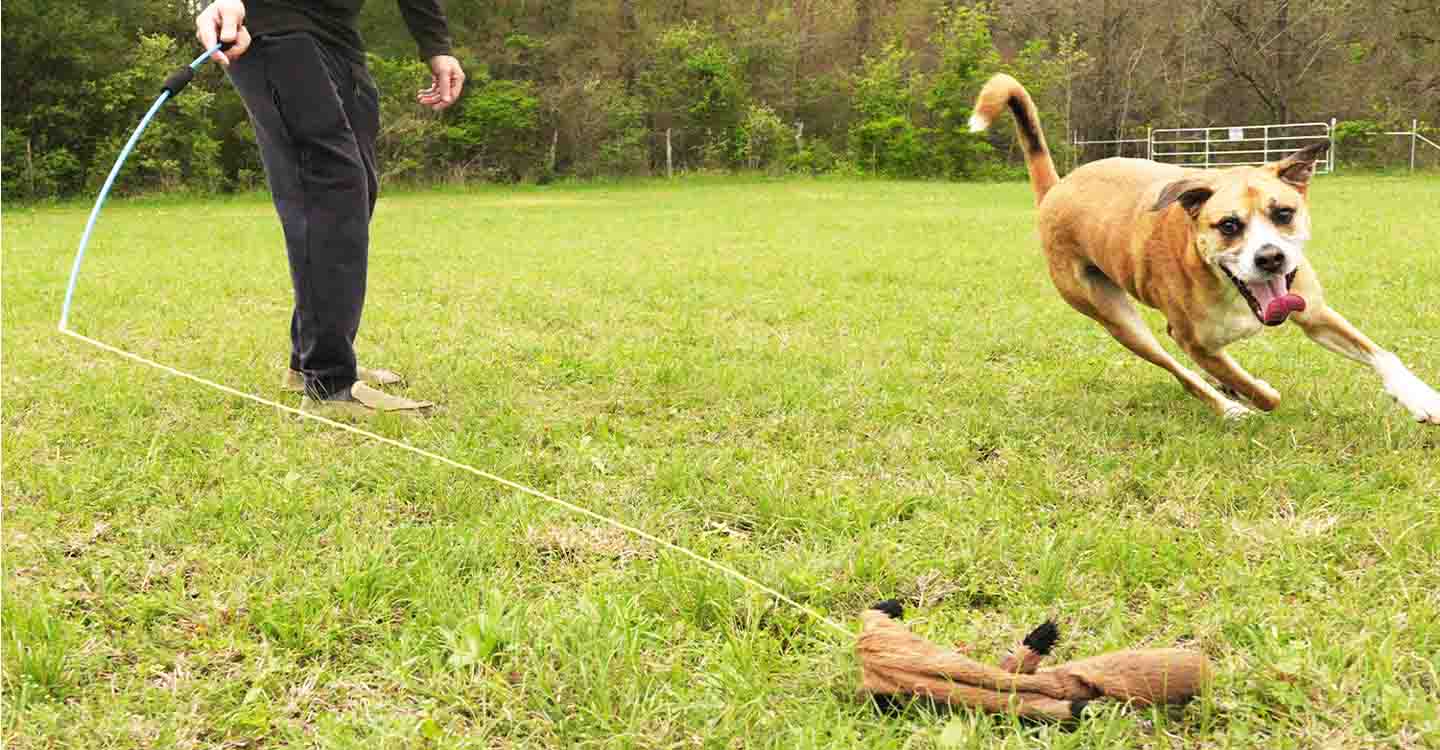
A dog with a satisfied chase drive has far less fuel for the fence. Because the patrol is thwarted prey and play drive, feeding that drive on purpose lowers the pressure. So a real chase outlet before yard time takes the edge off.
Structured chase gives the drive a legal release the fence never can. When the dog gets to stalk, chase, and catch, the frantic need to charge the fence drops. Add mental work too, since a tired brain patrols less. The ASPCA ties excess barking and patrolling to unmet needs.
Never leave a patroller alone out there
Unsupervised yard time is where the habit is rehearsed. So exercise first, then supervise, and do not let the dog practice the pattern for hours.
Close the Fence Line
You can kill a lot of the behavior by removing the triggers. Because the dog cannot patrol what it cannot see, block the visual line with solid fencing, privacy screening, or a setback barrier. So the stage disappears and the show stops.
Then give a better job. Interrupt the patrol early with a recall, reward the dog for checking in with you, and redirect to a chase or a settle. When the yard becomes a place for play and calm instead of guard duty, the track grows over. Serious fence-line aggression deserves a professional’s help.
Reward the check-in
Catch the dog before it locks onto the fence and pay it for coming to you. So the dog learns that turning away from the fence is what actually works.
The fence is not giving your dog a job. It is trapping a drive with nowhere to go. Feed the drive and close the sightline, and the patrol loses its reason to exist.
Christopher Lee Moran · Working Dog TrainerDrain, manage, redirect
Legal Chase
A flirt pole session before yard time so the drive has a real release.
Block the View
Solid fencing or screening so the dog cannot see and patrol the triggers.
Reward Check-Ins
Interrupt the patrol early and pay the dog for coming to you instead.
Fence running is a trapped drive, not a guarding job. Feed the drive, block the view, reward the check-in, and the patrol fades.
Barrier frustration can escalate into real aggression or redirected biting. When a dog on patrol turns on another dog or a person, or the intensity keeps climbing, get a qualified trainer or veterinary behaviorist involved. Manage the yard closely in the meantime.
The Whimsy Stick: The Release the Fence Can’t Give
Fence running is a chase drive with nowhere to go. A flirt pole gives that exact drive a legal release, which is what drains the fuel behind the patrol.
Read These Next to Go Deeper
Dog Fence Running: FAQ
Why does my dog run the fence line?
It is barrier frustration: the dog wants to chase or greet what passes, the fence blocks it, and the frantic patrol becomes a self-rewarding habit. Because each passerby leaves when the dog charges, the behavior gets reinforced all day. Draining the drive and blocking the view breaks it.
How do I stop my dog from running the fence?
Attack it from three sides. Drain the chase drive with real exercise before yard time, block the visual triggers with solid fencing or screening, and reward the dog for checking in with you instead of patrolling. Never leave a fence-runner out there alone to practice.
Is fence running bad for dogs?
Yes, it is a stressful, self-escalating pattern rather than healthy activity. The arousal climbs the longer it runs, and it can spill into redirected aggression. It also cements a habit that gets harder to break, so it is worth addressing early.
What is barrier frustration in dogs?
It is the frustration a dog feels when a barrier, like a fence, window, or leash, blocks it from reaching something it wants. The blocked drive comes out as barking, lunging, and patrolling. Fence running is the yard version of it.
Will more exercise stop fence running?
It is a big part of the fix, since a satisfied chase drive has less fuel for the fence. A real outlet before yard time takes the edge off the patrol. Pair it with blocking the triggers and redirecting, because exercise alone may not fully close a rehearsed habit.
How do I stop my dog barking at the fence?
Reduce what the dog can see and drain the drive behind the barking. Block the sightline, interrupt the patrol early with a recall, and reward calm and check-ins. A dog that cannot see the triggers and has its energy met barks far less.
Why does my dog redirect on another dog at the fence?
High arousal with nowhere to go can spill onto the nearest target, including a housemate dog. This redirected aggression is a warning sign the frustration is too high. Separate dogs during patrol times and get professional help to lower the arousal safely.
Can I fix fence running or just manage it?
You can genuinely reduce it, not just manage it, though management is part of the plan. Draining the drive, closing the sightline, and rewarding a better choice changes the habit over weeks. Severe or aggressive cases need a professional to resolve fully.


