
Mental Stimulation for Large Dogs
The Legs Come Free.
The Legs Come Free.
What dog owners say.
Already know which one you need?
Your dog doesn’t need more miles. They need more decisions.
A lot of the smart, high-drive breeds get plenty of exercise and almost nothing to figure out. My flirt pole training guide is about fixing that with a pole, and if you want to see everything else you can try first, my full enrichment rundown for high-energy dogs has the rest.
The puzzle feeder lasted four minutes.
He figured it out, ate the food and then just stared at you like, that’s it? A puzzle only has the one answer, so once a sharp dog figures it out it’s basically furniture to him.
Walked for miles, still pacing at nine.
If you only tire out the body you can end up with a dog that’s in better shape and still frustrated. His legs are getting a workout but his brain isn’t doing anything, and a lot of times that’s the part chewing on your baseboards.
A bored brain invents its own job.
Herding the kids, barking at nothing, digging into the couch. A lot of these breeds were made to work and make decisions all day, so if you don’t give him something to do he’s gonna find his own job, and you probably won’t like it.
Every cut of the lure is a decision your dog makes.
Drag the lure at ground level. You’ll see his eyes lock on and now he’s paying attention, cause watching something move and keeping up with it is what a lot of these breeds were made for.
Change speed and direction. He has to guess where it’s going next and go for it, then change course in the middle of a sprint when it breaks the other way. That’s where the thinking is.
Let them catch and win. Catching it finishes the hunt and that’s what tells him the job’s done, so if he never gets to catch it he never really gets to turn it off.
Ten minutes, then rest. In one short session he had to track it, guess where it was going and hold himself back when you asked, and he got his running in too.
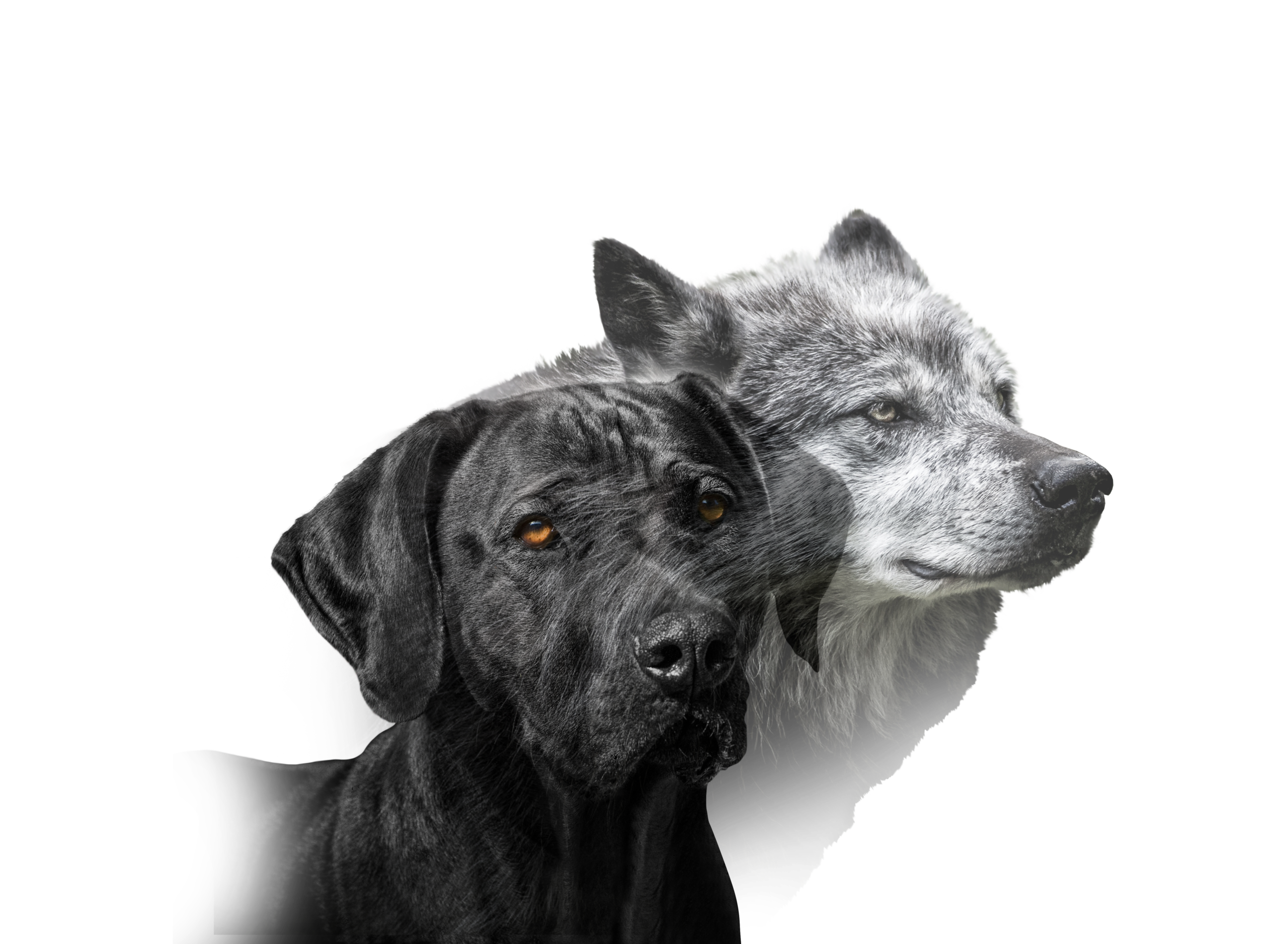
Compare the thinking per minute.
Food puzzles are fine for warming up, but a puzzle has one answer and one payout and then it’s over. A lure that moves like prey is different every time, and the AKC’s advice on channeling prey drive points toward chase games with some structure. The ASPCA says something similar, that dogs need to engage in innate behaviors like playing, chasing, smelling, chewing and scavenging.
| Tool | Decisions per minute | Satisfaction after | Physical work |
|---|---|---|---|
| Puzzle feeder | A handful, then the food runs out | Twenty minutes, maybe | None |
| Snuffle mat | Low: sniff, find, repeat | Under an hour | None |
| Frozen Kong | One: lick or quit | Until it’s empty | Jaw only |
| Whimsy Stick | Constant: track, predict, cut, adjust | Most of the day once the hunt closes | Full-body sprint work |
“This thing is a game changer. He’s a border collie, so lots of energy. He loves this thing, and it wears him out. The look on his face every time we bring it out is pure happiness.”
“This thing is a lifesaver. We have an extremely active working dog mix 6 month old puppy and 5 minutes of this tires him out. Highly recommend.”
Built for thinking dogs. Not for every dog.
Get one if…
- You’ve got a herding or working breed, or a mix that acts like one
- He figures out every puzzle toy in a few minutes and then he’s bored
- He gets a long walk every day and he’s still restless
- You’ve got about an 8-foot circle to play in, like a yard or a garage
- You want some impulse control worked into the play
Skip it if…
- Your dog won’t chase anything that moves, which isn’t common but it happens
- Your vet said no sprinting for now
- You want a toy he plays with alone. This one needs you holding it
- You’re hoping to stop walking him. This is for tiring him out, he still needs to get out
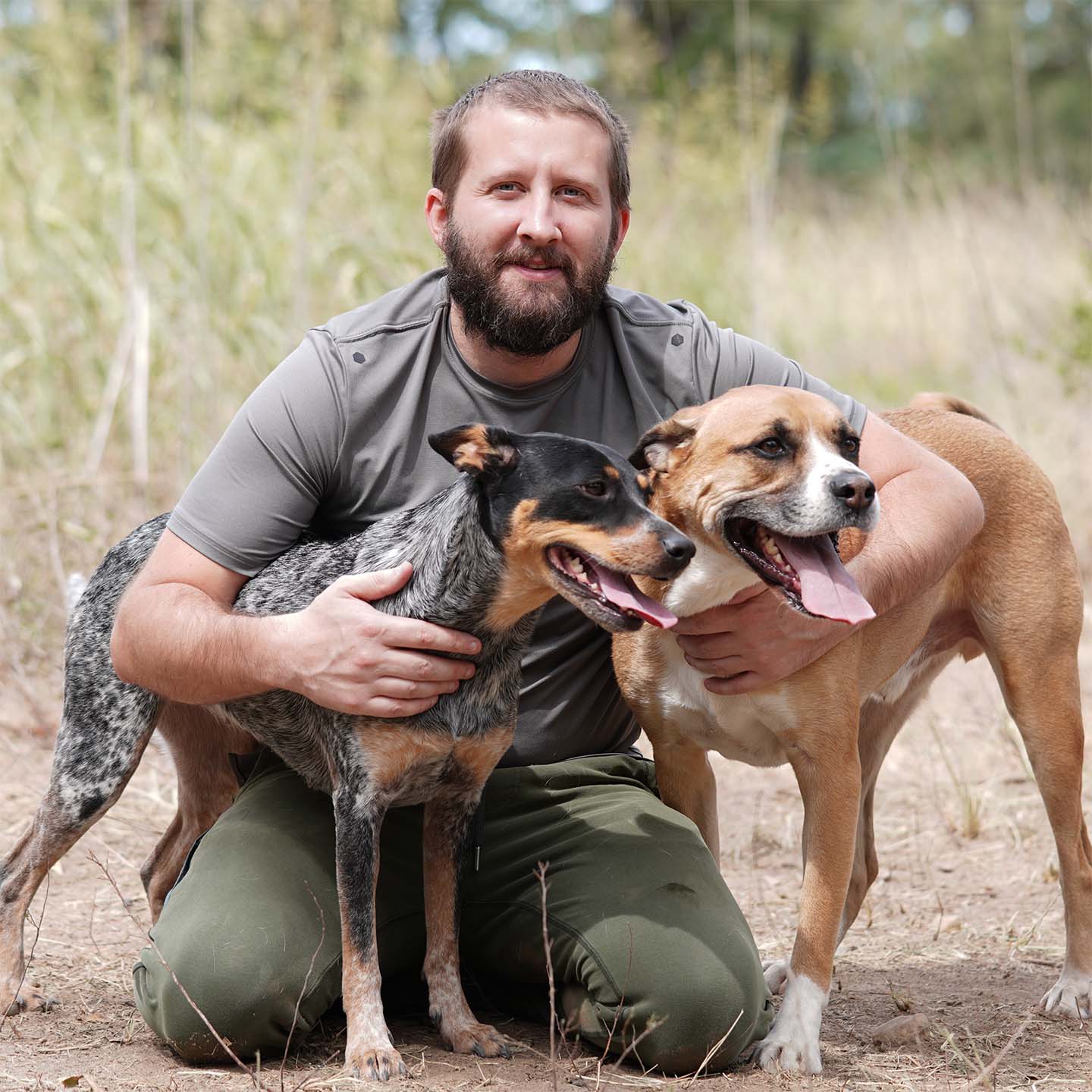
The smartest dogs get called bad the most.
I’m Chris, a working dog trainer. It’s been about ten years and around 400 client dogs, and no, I don’t have certifications or vet credentials. I made the Whimsy Stick after trying a bunch of flirt poles that were too short, too bulky, too heavy or had a violent bungee cord.
A lot of border collies and malinois get plenty of exercise, their owners run them every day. What they don’t get is something to think about. There are a couple of ways to satisfy a dog like that, like exploration and play, but the biggest one is hunting.
Give him ten minutes of tracking and guessing and catching, and a lot of times the pacing at night gets a lot better. There’s more about me and how I train on the about page.
Three ways to work the brain.
Under 30 lbs, get the Standard. If he’s 30 lbs and up or he chews through everything no matter his size, get the Rugged XL.
- Lightweight springy fiberglass pole
- 1 prey lure (Unlucky the Squirrel)
- 450-lb Kevlar braided cord, no bungee
- 8-foot play radius
- 30-day money-back guarantee
- Heavy-duty one-piece fiberglass
- 3 prey lures: squirrel, fox, raccoon
- 800-lb test Dyneema lure loop, no bungee
- Built for collies, shepherds, malinois
- 30-day money-back guarantee
- Everything in the Rugged XL
- 5 prey lures, so a worn one isn’t a problem
- Spare 800-lb Dyneema line included
- For the hardest-driving dogs
- 30-day money-back guarantee
What you read here reflects my own experience training dogs. Not veterinary or behavioral medical advice. See the full exercise disclaimer →
30-Day Satisfied Brain or Your Money Back.
Do one session a day for a month. If your dog isn’t calmer and easier to live with, email me and I’ll refund you. The only thing on you is return shipping, unless the pole failed. I’m a one-man company and I want you happy with it, so I’ll work with you.
Smart-dog questions, straight answers.
How do I mentally tire out my dog?
I’d give him something that moves instead of something that just sits there. With a flirt pole he has to keep tracking it and guessing and changing direction in the middle of a sprint, and a puzzle feeder only asks for one answer and then it’s done, so always finish with a catch so he gets the win.
Do puzzle toys actually tire dogs out?
They help some, but mostly as a warm-up. A food puzzle only has one answer, so a sharp dog figures it out quick and the thinking stops once the food’s gone, and that’s why I’d use them for breakfast and then give him something that moves.
Why is my smart dog still restless after puzzle games?
Honestly working for food isn’t really what he was bred for. Herding and working breeds want to track something moving and get control of it, and a toy that sits still just can’t do that. If he’s restless after a puzzle, a lot of times it’s cause he never got to chase anything, let alone catch it.
What dog breeds need mental work the most?
Border collies, aussies, malinois, heelers, German shepherds and a lot of the working mixes tend to need it the most. Really it’s any dog that was bred to make decisions all day, and plenty of regular mutts have it too, so if he’s still pacing after exercise that’s usually your sign.
How many minutes of mental work equals a walk?
There’s no real conversion and I’m not gonna make one up. A short focused session of tracking and chasing and catching can settle a smart dog better than a long leash walk, but every dog’s different, so watch yours and he’ll show you.
Can I mentally exercise my dog indoors?
Yeah you can, you only need about an 8-foot circle and not a whole field. A living room or a garage is fine, and going slower with tight figure-8s still gives him plenty to think about, just make sure the floor isn’t slippery and keep it shorter inside.
Is flirt pole work safe for puppies?
Growth plates are what you’re worried about with puppies, so keep it short and low and slow, with no hard cuts. The AKC’s guidance on puppy exercise covers the physical side pretty well. And if you’re not sure, I’d ask your vet before you add any sprinting.
Your dog finished today’s puzzle by breakfast.
The same dog that figures out every toy you buy is the one that’ll lock onto a moving lure and not let go. Give him something to figure out and see what your evenings look like.


