
TL;DR
The first two weeks with a rescue are for decompression, not adventures or hard training. Keep the world small, the routine predictable, and the exercise gentle. The 3-3-3 rule is a rough guide: roughly three days to start decompressing, three weeks to settle in, three months to feel at home. Because a stressed new dog needs calm more than stimulation, patience now pays off for years. Since trust is the real project, go slower than feels natural at first.
Once your dog has settled, build the outlet with the flirt pole training guide, and grow confidence with building confidence in your dog. If the settling-in energy later turns into separation anxiety, jumping, or attention-seeking, that whole pattern is trainable once trust is in place.
Who This Is For
- People who just adopted a rescue dog
- Owners eager to bond but unsure where to start
- Anyone whose new dog seems shut down or overwhelmed
- Owners of a rescue that is bouncing off the walls
- People worried about doing the first weeks wrong
- Anyone introducing a rescue to kids or other pets
- New adopters who want a confident dog long term
Signs Your Rescue Is Still Decompressing
- Hiding, shutting down, or refusing food at first
- Overwhelmed or over-aroused in new spaces
- Pacing, panting, or unable to settle
- Startling easily at normal household sounds
- Clingy one moment and avoidant the next
- Not yet showing its real personality
- Accidents or nerves despite prior training
The First Days Are for Calm
A newly adopted dog is stressed, even if it hides it well. Because it just lost everything familiar, its nervous system is on high alert. So the first job is not training or fun, it is helping the dog feel safe.
Keep the world small at first. A quiet routine, a calm space, and predictable meals do more than any outing right now. Per the ASPCA, a slow, low-key introduction helps a rescue settle.
The 3-3-3 guide
A common rule of thumb is three days to start decompressing, three weeks to learn the routine, and three months to truly feel at home. So do not judge the dog by who it is in week one.
Gentle Movement, Not Big Adventures
Early exercise should calm, not overwhelm. Because a flooded dog cannot decompress, skip the dog park, long hikes, and busy trails at first. So keep it gentle: short leashed walks in quiet areas and calm sniffing time.
For a rescue that is instead bouncing off the walls, a little structured outlet helps take the edge off without overstimulating. Keep sessions short and low-key, and let the dog choose the pace. The American Kennel Club recommends easing a new dog into activity.
Sniffing is decompression
Let the dog sniff on walks rather than marching it. Because scent work lowers stress, a slow sniffy walk settles a rescue better than a brisk one.
What Not to Do Early On
The biggest mistakes come from moving too fast. Because owners want to bond, they flood the dog with visitors, outings, and demands. So resist it, and give the dog room to exhale first.
Hold off on the big stuff. Skip hard training, dog parks, meeting every friend, and forcing affection until the dog settles in. When you let trust build on the dog’s timeline, the real personality shows up and the bond gets stronger. Introduce kids and other pets slowly and supervised.
Let them come to you
Sit quietly and let a nervous dog approach on its own terms. So instead of reaching for the dog, you become the calm, safe thing it chooses.
The first two weeks are not wasted time, they are the foundation. A rescue that gets to decompress becomes the confident dog you hoped for, just not on day one.
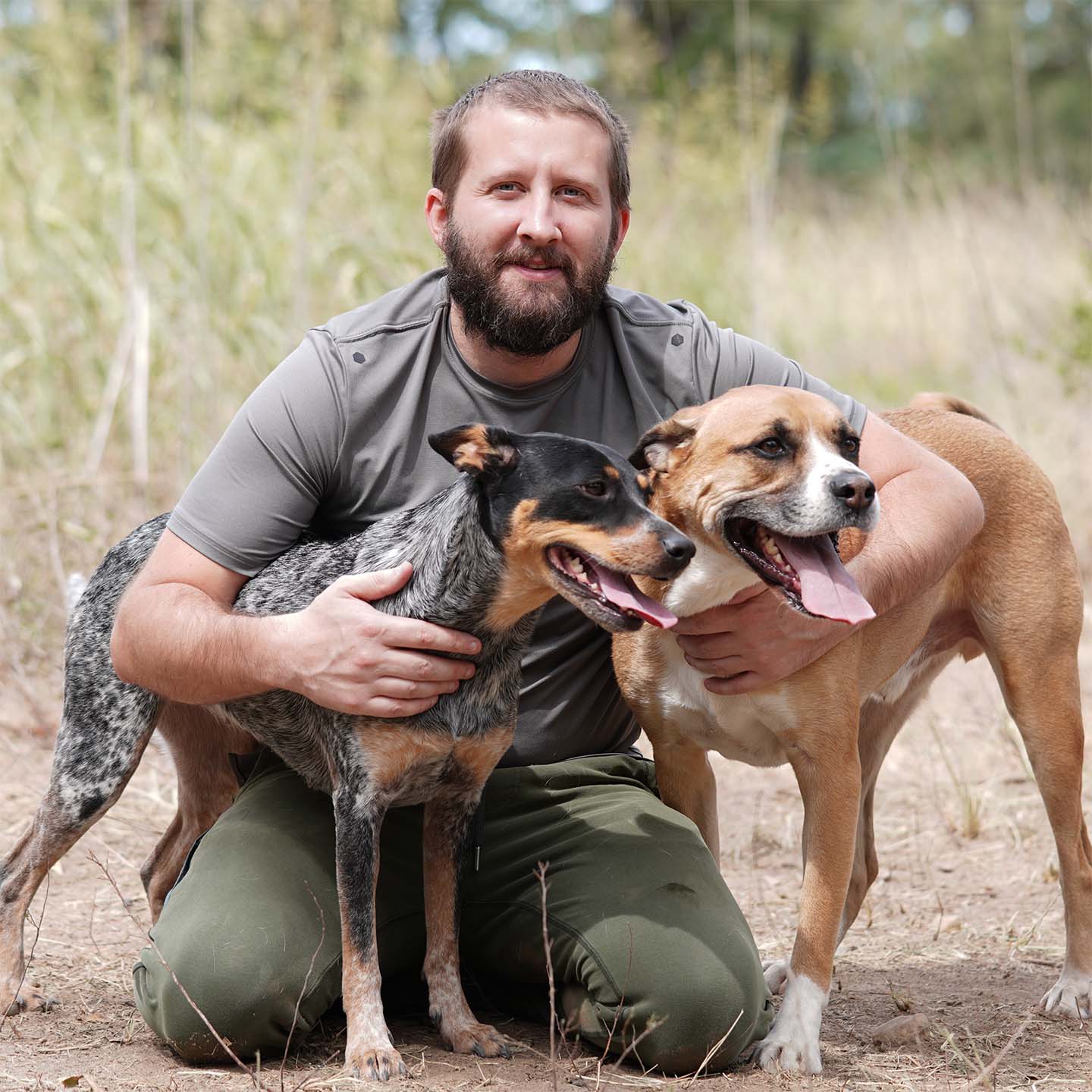
Christopher Lee Moran · Working Dog TrainerThe first two weeks are for calm, not conquest. Small world, steady routine, gentle exercise. Trust first, adventures later.
Go slow with kids, other pets, and strangers. A stressed new dog can react in ways it never would once settled. Supervise all introductions, give the dog an escape route, and never force interactions. Serious fear or aggression deserves a professional trainer’s help early.
The Whimsy Stick: For When Trust Is Built
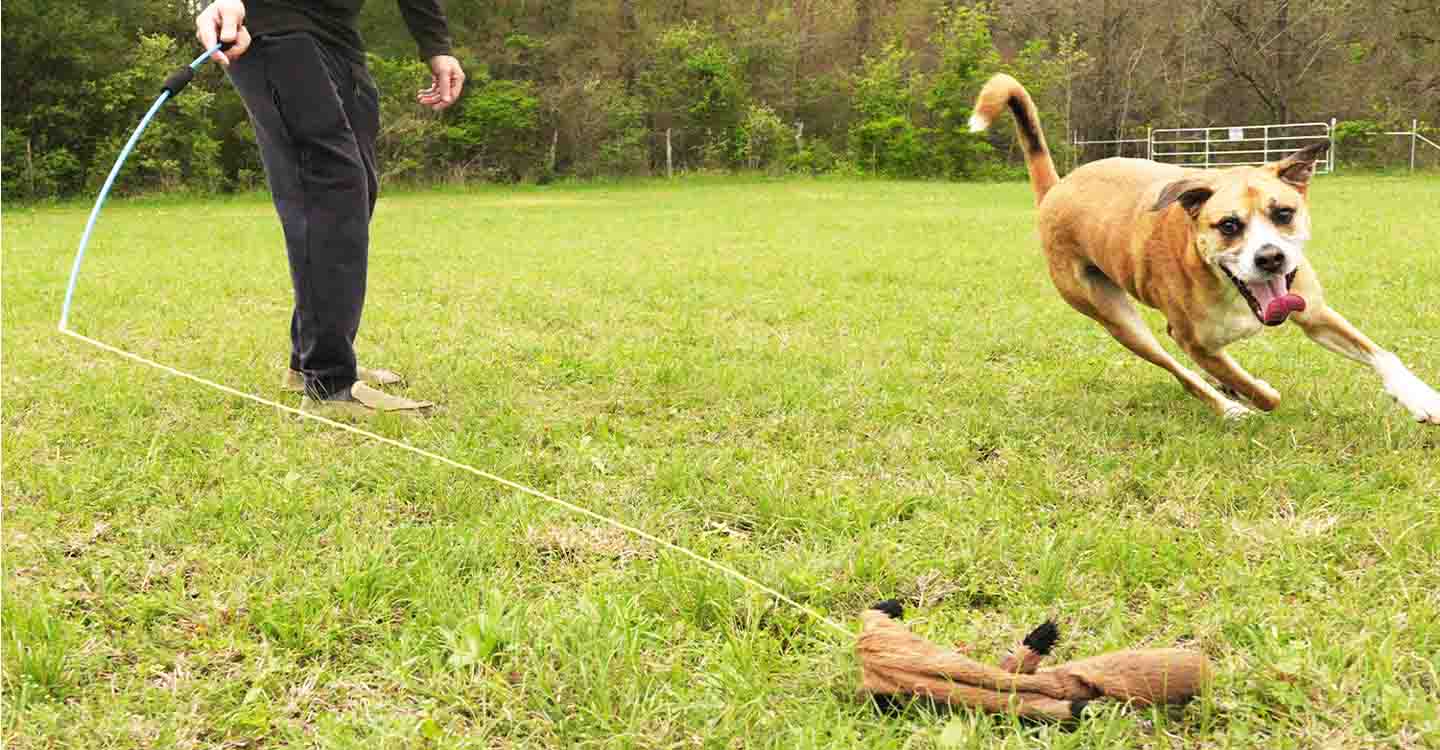
A flirt pole is not a week-one tool. It is what you reach for once your rescue has settled and is ready to build drive, confidence, and a real bond through play.
Read These Next to Go Deeper
Your First Two Weeks With a Rescue: FAQ
What should I do with a new rescue dog the first week?
Focus on decompression, not adventures. Keep the world small and quiet, set a predictable routine, and let the dog settle without pressure. Gentle leashed walks and calm sniffing are plenty, while hard training and big outings can wait.
What is the 3-3-3 rule for rescue dogs?
It is a rough timeline for adjustment: about three days to start decompressing, three weeks to learn the routine, and three months to truly feel at home. It is a guide, not a guarantee, so let your dog set the real pace. Do not judge a rescue by who it is in the first days.
How much exercise should a new rescue dog get?
Keep it gentle and predictable at first. Short leashed walks in quiet areas and calm sniffing time settle a stressed dog better than long or busy outings. For a rescue that is over-energetic, a short low-key outlet helps without overwhelming it.
Should I take my new rescue to the dog park?
Not in the first weeks. A busy dog park floods an already stressed dog and can trigger fear or a bad interaction. Wait until your dog is settled, confident, and reliable with you before adding that kind of stimulation.
Why is my new rescue dog hiding or not eating?
Because it is stressed and decompressing from a huge life change. Hiding, refusing food, and shutting down are common early on. Give quiet, space, and routine, and most dogs come around within days, though you should call your vet if a dog refuses food for long.
When can I start training my rescue dog?
Start with gentle relationship-building and a routine right away, but hold off on demanding training until the dog decompresses. Simple calm, name recognition, and reward-based basics are fine early. Save the harder work for once trust is established.
How do I bond with my new rescue?
Slowly and on the dog’s terms. Predictable care, calm presence, and letting the dog approach you build trust faster than forcing affection. Once the dog settles, shared play and training deepen the bond.
My rescue is bouncing off the walls. What helps?
Some rescues decompress by shutting down and others by over-arousing. For the wired ones, add a short, low-key structured outlet and plenty of calm routine. Keep it gentle, avoid overstimulating outings, and let the energy settle as trust grows.


