BEHAVIOR GUIDE · FIELD MANUAL·VOL. I · ISSUE 25 · MAY 2026
THE TEENAGE PHASE·THIS IS NORMAL
The Field ManualWhy it happens, the phase, the fix
AdolescentDogWon’tListen.
Your dog isn’t ignoring you on purpose, its brain is still growing up. This is the 6-step reset I’d use to get through the teenage phase.
The Direct Answer
Your adolescent dog stopped listening cause somewhere between about 6 and 18 months its impulse control is still being built. It looks like defiance but it isn’t. Make it easier, add structure, do impulse control drills every day, and hold the line.
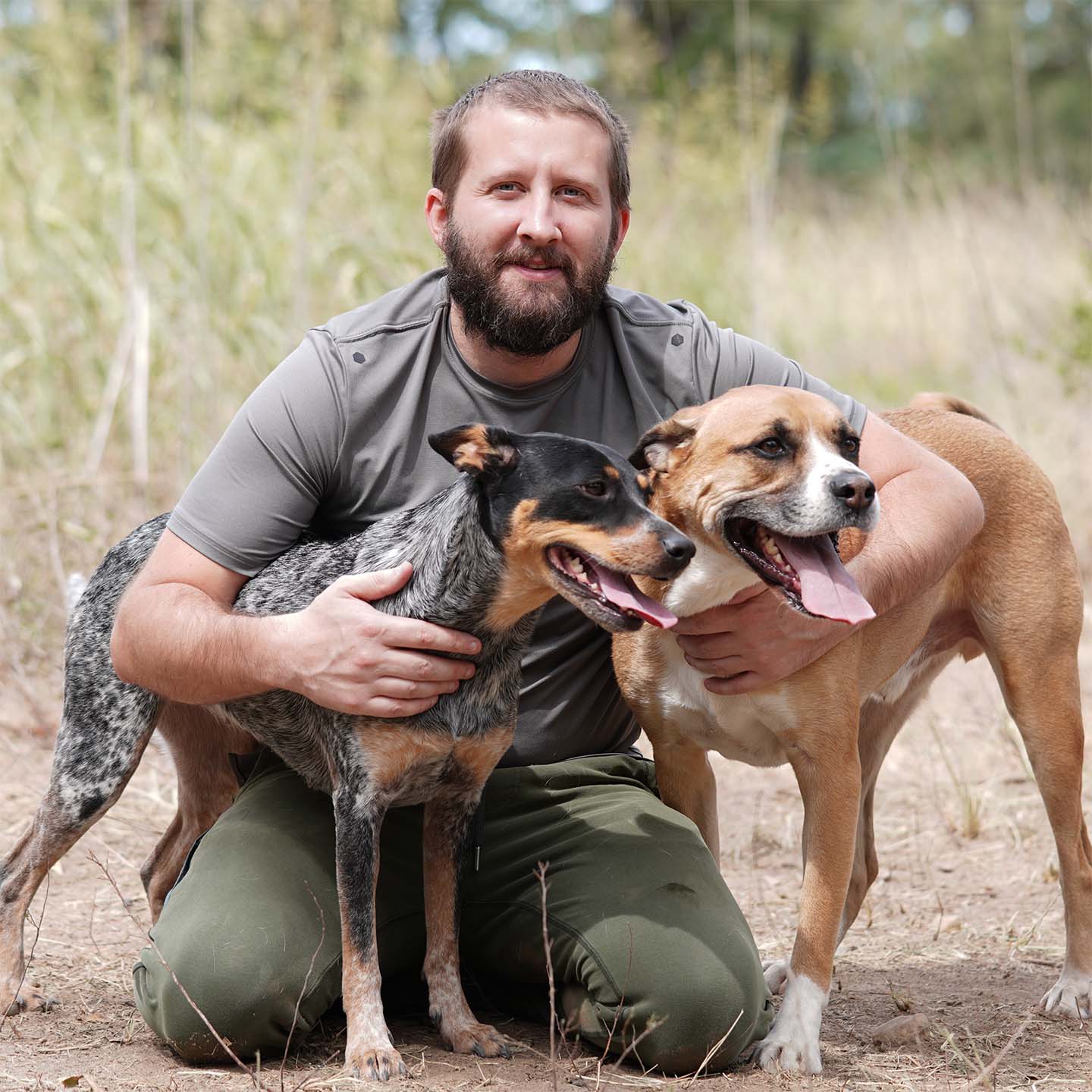
Christopher Lee MoranPro Dog Trainer · Controlled Freedom Method
Read · 11 min
Updated May 2026
Phase Window
6-18mo
Peak at 8-14 months
Dogs Affected
100%
Every dog goes through this
Recovery
18-24mo
Most settle by 2 years
Client Dogs
~400
Worked with this stage
By a real trainerPeak phase 8-14 monthsEvery dog goes through itNot rebellion. Brain development.The 6-step trainer resetUpdated May 2026By a real trainerPeak phase 8-14 monthsEvery dog goes through itNot rebellion. Brain development.The 6-step trainer resetUpdated May 2026
TL;DR
Your adolescent dog isn’t defying you, it’s still growing up. Somewhere between about 6 and 18 months the dog is going through a lot, its brain is still developing and its hormones are changing. It looks like disobedience, but a lot of it is just growing up. A lot of times recall goes first, then known cues get ignored, then new fears show up and reactivity goes up. Tons of dogs go through this, and it doesn’t mean your training failed.
More punishment or more commands isn’t gonna fix it, you want the opposite. Make it easier and manage the dog’s surroundings. Work the basics where it’s calm, and put the extra energy into structured drive work. Keep the relationship strong, expect the dog to be inconsistent, and don’t ever stop training completely. The 6-step reset below is a plan for getting through it.
Who This Is For
Your dog is between 6 and 18 months and stuff it was trained to do suddenly quit working
You feel rejected cause your dog “doesn’t listen anymore”
Your adolescent dog got reactive, fearful or aggressive overnight
You’re thinking about rehoming or wondering “what did I do wrong”
You’ve got a high-drive breed (Border Collie, Aussie, Malinois, Husky) and the puppy training is just gone
You’ve Googled “my teenage dog hates me” at 2am
Signs Your Dog Needs This
A recall that worked great at 4 to 5 months is just gone
Your dog looks at you, makes eye contact and walks the other way
Sit, down and place were solid and now you get blank stares
New fears showed up out of nowhere (the vacuum, the mail carrier, a certain person)
Reacting to other dogs or moving things got a lot worse in the last month or two
Your dog listens to everybody but you
The dog is between 6 and 18 months old
6-Step Adolescent Reset, Quick Reference
Manage the environment, so quit putting the dog where it’s gonna fail and use a long lead and gates and crates to set it up to win.
Lower the difficulty, so work the basics where there’s not much going on and treat the dog like a 4-month-old until it’s consistent again.
Daily impulse control, 10 to 15 minutes of place training, wait cues and release work.
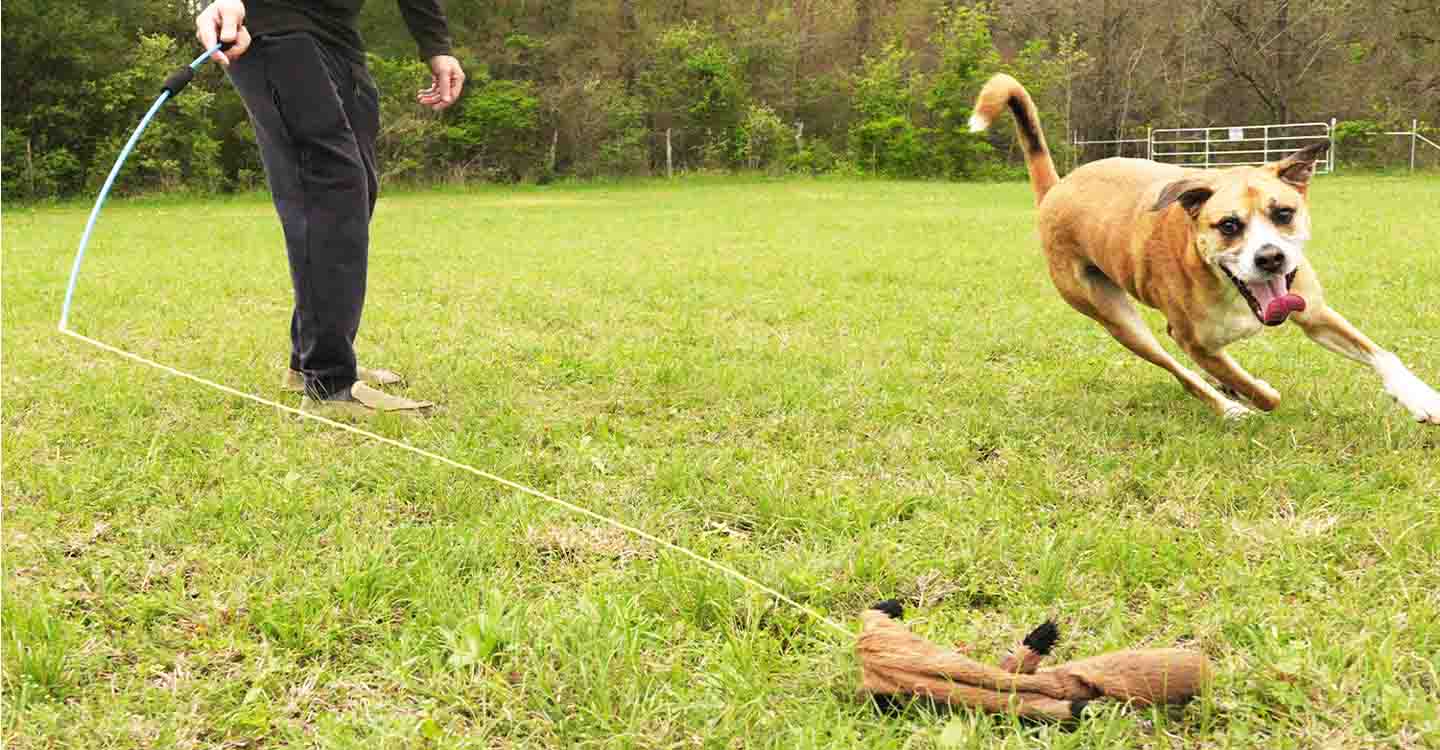
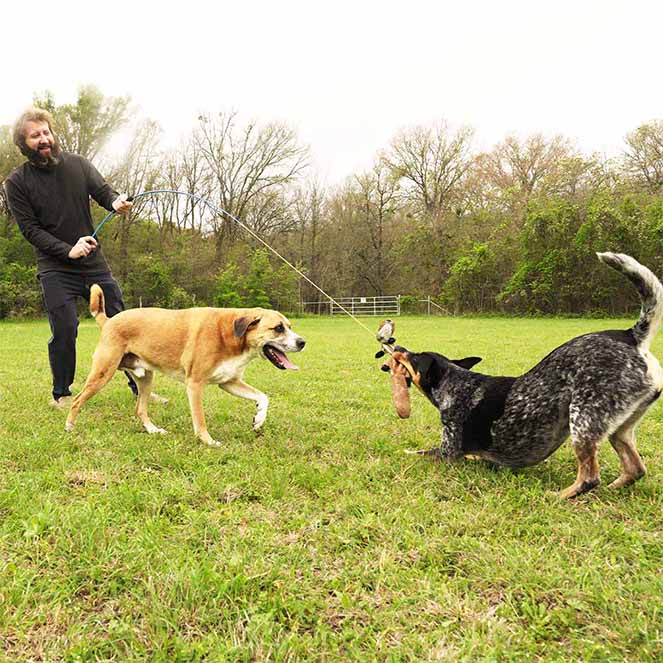
Structured drive work, flirt pole or scent work every day to put the extra energy somewhere.
Say cues one time, and if the dog doesn’t respond manage it and reset instead of repeating it.
Protect the relationship, 10 minutes a day of good time together that isn’t training.
01 The Neuroscience
Your Dog’s Brain Is Mid-Renovation
A lot of owners never hear this part. Dog adolescence is a real stage, kind of like being a teenager. There are three things going on at once, and all three feed the “won’t listen” stuff.
1. The Impulse Control Brain Is Rewiring
Impulse control is still being built in an adolescent dog. Your dog wants to come when you call, but it also wants to chase the squirrel, and the part that’s supposed to settle that fight isn’t all the way there yet. So a lot of times the squirrel wins.
2. Hormones Are Surging
Dogs hit sexual maturity during this window, and that can change how reactive they are, how they act with other dogs, marking, and how easy they get worked up. Spaying or neutering a lot of times gets blamed, or the credit, for behavior changes at this age. Ask your vet about timing for your dog.
3. The Senses Are Recalibrating
A lot of adolescent dogs hit a second fear period somewhere between 6 and 14 months. Stuff that didn’t bother them before all of a sudden does, like the mail carrier, the vacuum or a certain person. The dog isn’t going backwards, it’s figuring out all over again what counts as a threat. Per AKC’s guidance on canine adolescence, the second fear period is normal, and most dogs work through it without intervention as long as owners don’t amplify the fear with their own reactions.
This is also a stage where a lot of owners get fed up and think about giving the dog up, a lot of times cause nobody told them it’s normal and it passes.
Key Takeaway
Adolescent behavior problems are part of a developmental stage, not a lack of motivation. Your dog isn’t choosing to defy you. It’s a stage and it passes, and getting that in your head matters more than any technique below.
02 The 7 Behaviors
The 7 Adolescent Behaviors You’re Probably Seeing
These are seven common things adolescent dogs do. If you see most of them, your training didn’t fail, your dog is just growing up right on time.
01
Recall Completely Falls Apart
That great recall you worked on for months is gone. The dog hears the cue, looks at you for a second, then walks off. Recall falling apart is one of the most common complaints at this age. The recall is still in there, it’s the impulse control to pick you over a smell or another dog or a bird that’s shaky right now. If your dog gets more wound up after walks instead of tired, that’s a separate problem worth looking at.
02
Selective Hearing
The dog listens great for your trainer, your dog walker, your friend and your in-laws, and then goes deaf for you. It’s not personal the way it feels. A 2020 study in Biology Letters found that dogs around eight months old were less likely to obey their main caregiver than a stranger. Kind of like a teenager acting better for an aunt than for mom and dad.
03
Testing Boundaries
Counter surfing comes back, and so does getting in the trash and jumping on the couch when the dog knows better. It’s testing whether the rules still count, so stay consistent and keep the rules the same.
04
Sudden New Fears
Out of nowhere your confident puppy is scared of the trash can, a certain person, a sound or a floor. That’s the second fear period and it’s normal, so I wouldn’t force it or punish the fear. Just stay calm and let the dog work it out at its own pace, and act like nothing big is going on.
05
New Reactivity
Reacting to other dogs, people or moving things can show up or get worse during adolescence. The dog that happily said hi to every dog at 6 months might be lunging at 10 months. The reactive dog training protocol covers how to work on it, and some of it may settle down as the dog grows up.
06
Ignoring Known Cues
Sit, down, stay and place were all solid, and now the dog just stares at you. It still knows the cue, it just can’t do it every time yet, so go back to easy puppy-level places and build it back up from there.
07
Restless, Hard To Settle
The dog that used to nap during the day is now pacing, panting and wanting attention every 5 minutes. Extra energy and not much self-control means it never stops moving. Mental work and impulse control drills a lot of times tire adolescents out faster than physical exercise. For high-drive breeds, prey drive training covers the structured outlet.
If you see 5 or more of these, your dog is probably right in the middle of adolescence and the stuff below is what I’d do next. If you only see 1 or 2, it might be something else, like a medical issue, something in its surroundings or inconsistent training, so check with your vet if you’re not sure.
03 Where Owners Go Wrong
The 5 Mistakes That Make Adolescence Worse
A lot of the time when training falls apart at this age, it’s not on the dog, it’s how the owner reacts to it. These are five common mistakes that make it worse instead of better.
The Adolescent Mistakes
What Not To Do
Saying a cue 3, 4, 5 times teaches the dog the first one is optional. Say it once, and if the dog doesn’t respond manage it with the leash or more distance, reset, and try again somewhere easier.
Punishing your way through it hurts the relationship and doesn’t change anything, cause the dog can’t really do what you’re asking yet. It just teaches the dog you’re unpredictable right when it needs you to be steady.
Stopping training completely and just trying to “wait it out” is about the worst thing you can do. The dog needs more structure right now, not less, and if you stop you lose the routine that helps keep it steady.
Some owners make it harder, with longer stays, harder recalls and harder places. The dog can’t handle as much right now, so asking for more just gets you more failing, and I’d go back to easy places and build it back up.
I wouldn’t count on spaying or neutering to fix it, cause a lot of adolescent behavior is just the dog growing up and surgery won’t fix all of it, so talk to your vet about the timing for your dog.
If you’ve been doing a few of these you’re not a bad owner, it’s what most people do when they’re frustrated. The reset below starts by undoing all five.
04 The 6-Step Reset
The 6-Step Trainer Reset For Adolescent Dogs
This is a reset for owners that are at their limit, six steps all done together for as long as the phase lasts, and it’s not instant, it builds over time. You’re not trying to “fix” adolescence, you’re trying to keep the relationship and the training together while the dog finishes growing up.
The Adolescent Protocol
6 Steps To Work Through It
01
Manage The Environment
Quit putting the dog where it’s gonna fail, so a long lead at the park instead of off-leash and gates and crates inside, and set it up to win.
02
Lower The Difficulty
Work the basics where there’s not much going on and train the dog like it’s a 4-month-old puppy until it’s consistent again.
03
Daily Impulse Control
10 to 15 minutes of place training, wait cues and release work, and out of the six this is the one where I’d look for change first.
Say it one time, and if the dog doesn’t respond manage it, redirect and reset instead of repeating it, cause this one change helps a lot.
06
Protect The Relationship
10 minutes a day of good time together that isn’t training, so play or hang out or just be calm with the dog, and if you protect the relationship now it’ll make it through.
The order isn’t strict, but step 1 always goes first cause you can’t do steps 2 through 6 where the dog is failing all the time, so cut down the failing first by managing things and then build everything else on top of that. These drills work on impulse control when the dog is worked up, and that’s what an adolescent dog is short on.
Key Takeaway
The reset works by consistency over time, not one big dramatic fix. Every dog is different, so I won’t give you a date, but you’re looking for a steadier dog, quicker responses at home and fewer blown cues. The whole phase still takes months.
WS
Step 4 of the reset, structured drive work
Whimsy Stick Rugged XL
For adolescent dogs 30 lbs and up whose extra energy is wrecking their training. $74.95 with free US shipping. For dogs under 30 lbs, the Standard ($55.95) is the right fit.
The phase has a beginning, a peak and an end. Knowing the timeline helps you keep your expectations real so you don’t start thinking it’s never gonna end. It will.
6-8 months
Phase Onset
This is where the first signs show up, like the recall slipping some, a cue getting ignored here and there, and a little restlessness. Small breeds might start earlier and giant breeds later. Hormone changes start in dogs that aren’t spayed or neutered.
8-14 months
Peak Intensity
This is the worst of it, with recall not reliable, reactivity maybe going up and the second fear period at its worst, and it’s when a lot of owners go looking for help, think about rehoming or figure something is wrong with the dog. You’re in the thick of it, so hold the line.
14-18 months
Gradual Settling
The dog starts coming back, recall gets better and the cues work more of the time. The reactivity that showed up at the peak might start settling down. Small breeds usually settle earlier and big breeds later, and the training you stuck with during the peak pays off here.
18-24 months
Adult Stabilization
Most dogs are through it by now and the impulse control is back. The dog that comes out might be a little different than the puppy it was, but the chaos settles down.
24-30 months
Late Breeds Only
Giant breeds (Mastiffs, Great Danes, Newfoundlands) and some high-drive working breeds (Malinois, working-line Shepherds) might not fully settle until 24 to 30 months. If you’ve got one of those, plan on it taking longer.
The most useful thing you can do at the peak is remember it ends. A few months from now your dog won’t be where it is today. The stuff above won’t magically end the phase, but it keeps the relationship and the training together through it, and the adult dog you end up with is the one you trained.
06 What Works vs. What Doesn’t
Adolescent Dog Training: What Actually Works
A lot of owners try the wrong things first. This is what people usually do next to what I’d do with Controlled Freedom.
Situation
Common Mistake
Controlled Freedom Approach
Recall fails in the yard
Repeat the cue 3–5 times, then chase
Say it once. If no response, calmly leash and reset in a lower-distraction spot
Dog won’t sit on cue
Push hips down, repeat louder, add frustration
Drop to puppy-level difficulty. Drill in the kitchen with zero distractions for 3 days
Reactivity spikes on walks
Correct hard, flood exposure, or avoid all walks
Increase distance from trigger. Run structured drive work before walks to lower arousal baseline
Dog is hyper and won’t settle
More running, more fetch, longer park time
15 minutes of flirt pole work plus 10 minutes of place training. Mental load, not mileage
New fear appears suddenly
Force the dog toward the scary thing to “build confidence”
Act neutral. Don’t comfort excessively or punish. Let the dog set the pace on re-exposure
Owner is at their limit
Stop training, “wait it out,” consider rehoming
Lower the bar to 100% success rate. Train for 5 minutes twice a day. Never stop entirely
07 Continue Reading
Read These Next To Go Deeper
The work doesn’t stop here. These are the next ones I’d read from the Whimsy Stick training library.
Is It Normal to Regret Getting a Dog?, the honest read for owners worn down by the teenage phase.
Thinking About Rehoming My Dog, what to weigh before making that call during adolescence.
Somewhere between about 6 and 18 months a dog’s impulse control is still being built and its hormones are changing at the same time, so it looks like defiance but it really isn’t. A lot of dogs go through this and it doesn’t mean your training failed.
When does adolescence end in dogs?
It usually ends somewhere between 18 and 24 months, but it varies a lot. Smaller breeds a lot of times grow up earlier, around 12 to 18 months, and bigger breeds later, sometimes up to 30 months for giant breeds, and the worst of it is usually somewhere around 8 to 14 months. Recall and impulse control and consistency come back as the dog grows up, a lot of times before it turns 2.
Is it normal for an adolescent dog to suddenly become reactive or fearful?
Yes, a lot of dogs have a second fear period somewhere between 6 and 14 months, so new fears and reacting to stuff it used to ignore is the dog figuring out threats all over again and not a training failure. I’d handle it like the puppy fear period, so don’t force it and don’t punish it, and let the dog set the pace.
How long does the adolescent phase in dogs last?
The hard part usually lasts a few months, and the worst of it tends to be somewhere around 8 to 14 months. Some dogs come out of it pretty quick, but high-drive working breeds, big breeds and dogs with a lot of prey drive a lot of times take longer, sometimes up to 24 months for the hardest stuff to settle. Stay consistent and keep the structure, and trust that it ends.
What to do about it
Should I punish my dog for not listening during adolescence?
No, I wouldn’t. Punishment at this age hurts your relationship and hardly ever fixes anything, cause your dog isn’t choosing to disobey, it’s struggling to do what you ask, and punishing it just teaches the dog you’re unpredictable right when it needs you most. What I’d do is manage things so it fails less, work the basics where there’s not much going on and put the extra energy into structured drive work.
What exercise helps an adolescent dog who won’t listen?
Structured drive work and impulse control drills, not just random exercise. Flirt pole sessions, scent work, place training and structured tug all work the body and the brain, but random running doesn’t help much cause the dog just builds stamina. 15 to 20 minutes of structured work twice a day tires a dog out better and works on self-control too.
Will neutering or spaying fix adolescent behavior problems?
Usually not all of it, cause a lot of adolescent behavior is just the dog growing up and not only hormones. Spaying or neutering might cut down on some hormone-related behaviors but it won’t fix the rest, so I’d talk to your vet about when it makes sense for your dog.
Should I keep training my adolescent dog or take a break?
Keep training, but make it easier, cause stopping completely takes away the structure an adolescent dog needs most right now. I’d go back to easy puppy-level places, do shorter sessions more often and work sit, down, recall and place, and just expect it to be inconsistent for a while and don’t stop.
Channel the chaos into structured drive work.
This phase ends. Don’t lose them in it.
Step 4 of the reset is structured drive work every day. The Whimsy Stick Rugged XL is for dogs 30 lbs and up whose extra energy is wrecking their training. 30-day money-back guarantee.