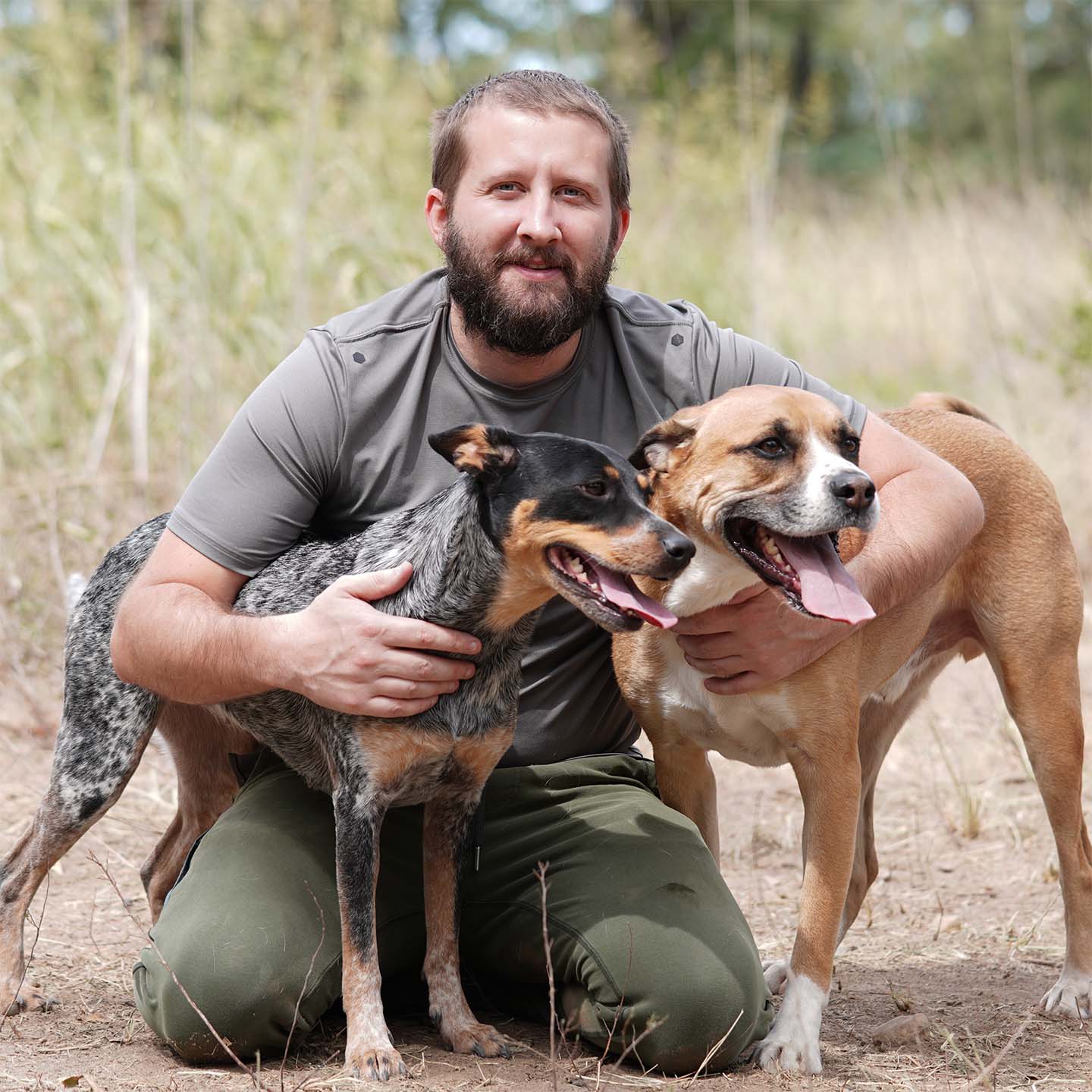

This is a dog training blog written by Christopher Lee Moran — 10 years training high-drive dogs professionally in Coaldale, Colorado. No recycled content, no fluff, no “paw-some tips.” Consequently, every article covers the stuff that actually works and exactly why it works.
This dog training blog is built around one premise: high-drive dogs don’t have behavior problems — they have unmet instincts. According to the American Kennel Club, prey drive is a hardwired behavioral sequence that structured play specifically resolves. Additionally, VCA Animal Hospitals confirms that mental enrichment through structured activity reduces destructive and anxious behavior in dogs more effectively than exercise alone. This dog training blog gives you the specific protocols, breed guides, and tool comparisons that actually apply those principles. In fact, every article in this dog training blog is written by Christopher Lee Moran, a professional trainer based in Coaldale, Colorado who works with high-drive dogs daily at Instinctual Balance Dog Training.
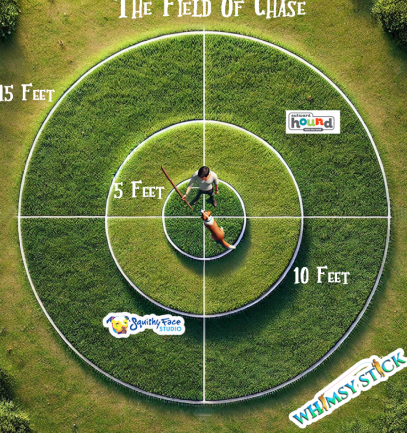
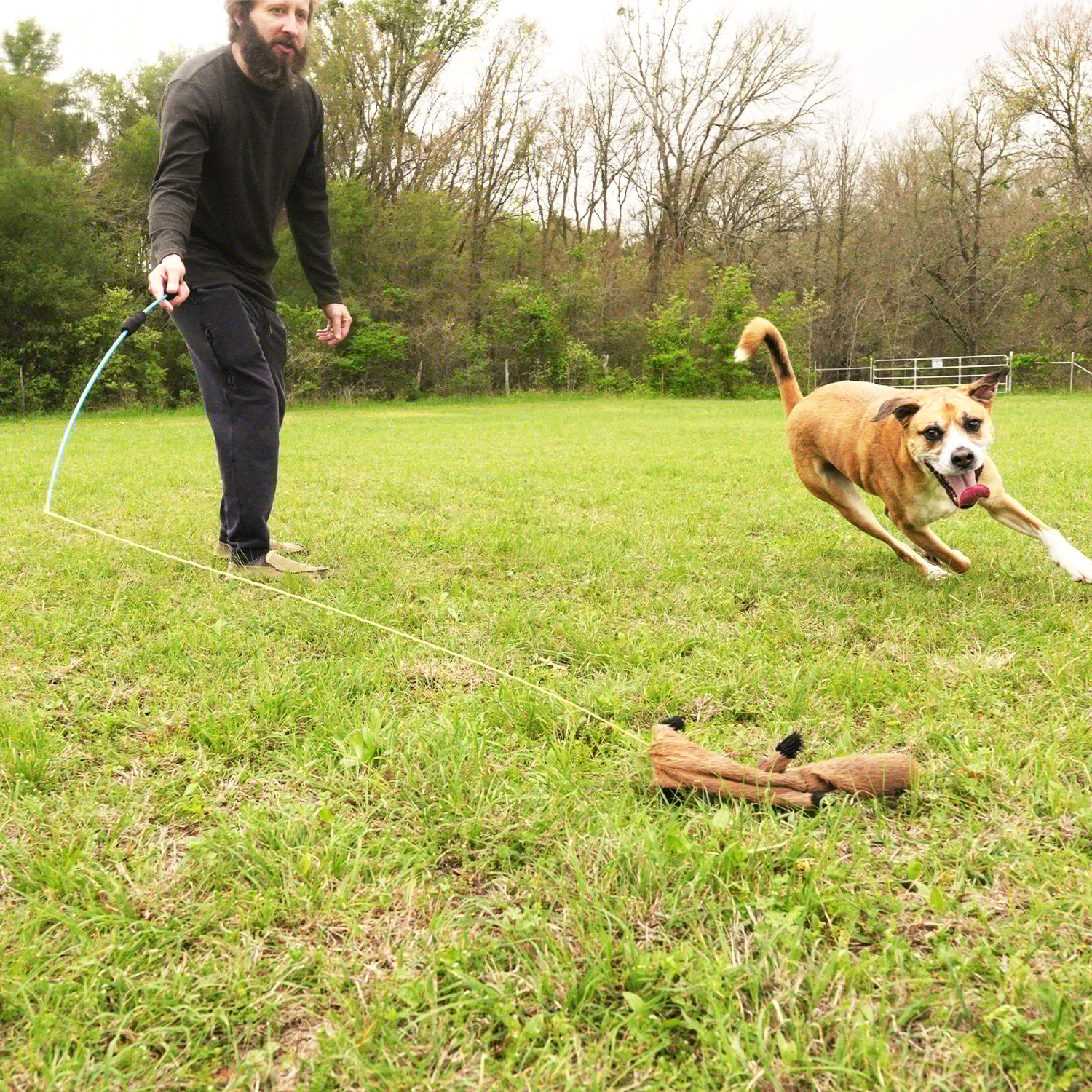
If you’re only going to read one thing on this dog training blog, make it this. The complete protocol for how to run a structured flirt pole session — field of chase, session length, the commands that matter, why letting the dog catch is not optional, and how to end deliberately. Furthermore, every other article on this dog training blog builds on this foundation.
Read the Full Guide →
What owners call boredom destruction is actually unmet predatory drive running on furniture. The fix is completely different from what most guides recommend.

Walks often make high-drive dogs more activated, not less. Here’s the trigger accumulation mechanism that explains why your dog comes home wound up.

Counterintuitive but true: overexcited dogs need more structured play, not less. Here’s the mechanism and the session structure that produces calm.

The more-walking myth debunked. Why 8 minutes of structured flirt pole play tires high-energy dogs more effectively than an hour on leash.

Play isn’t a reward for good behavior — it’s a biological need. The neurological and behavioral mechanisms that make structured play the most effective training tool most owners aren’t using.

Shared time isn’t the same as shared activity. A trainer explains why structured play builds the dog-human bond faster than passive time together.

Structured flirt pole sessions reduce baseline drive load, which raises threshold and reduces reactive responses. The protocol that makes it work.

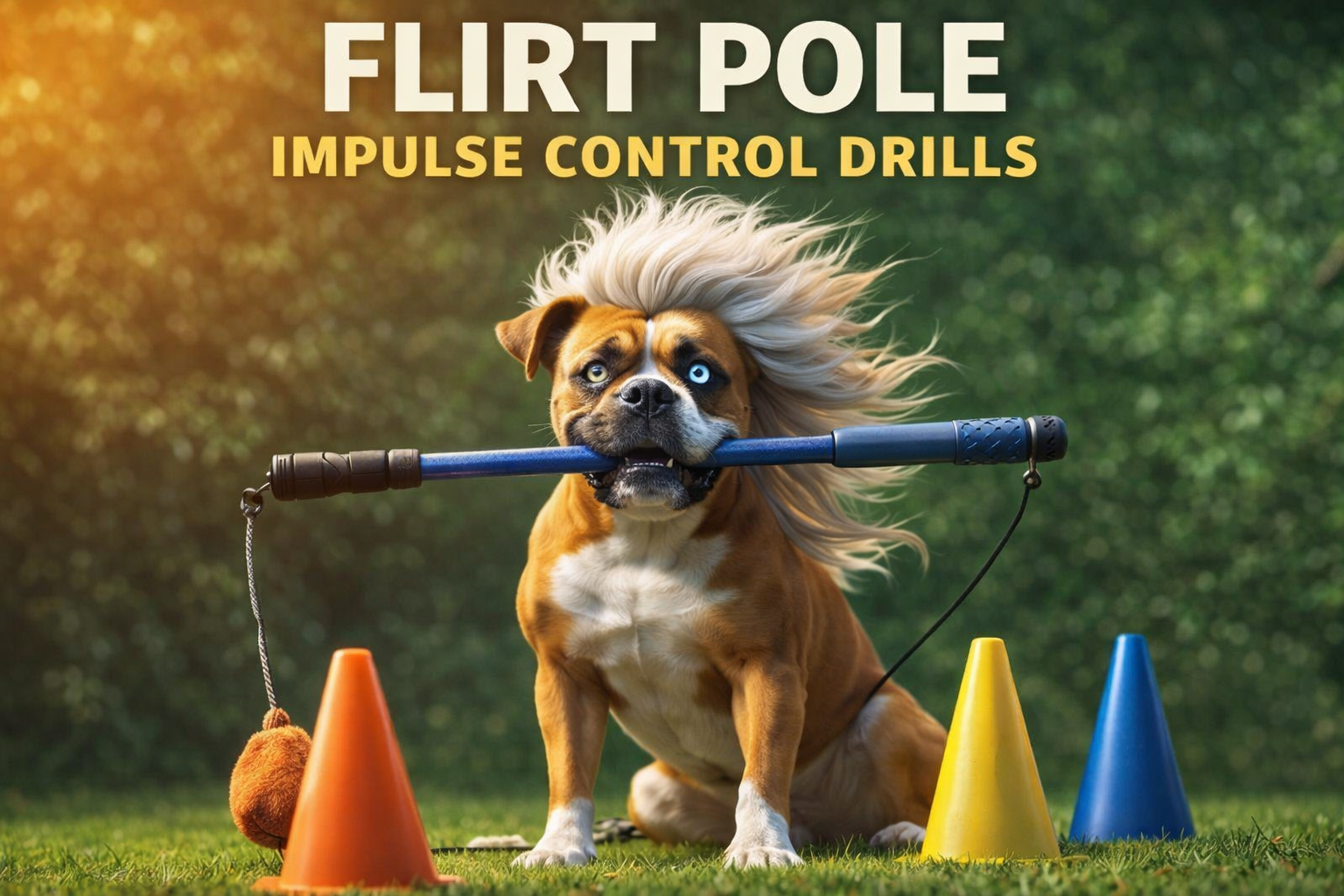
Five drills from basic wait-and-release to complex multi-command sequences. The progression that builds real impulse control under actual prey drive.

Why the flirt pole works for arousal-specific training when standard obedience tools fail — and what makes it different from everything else in your toolkit.

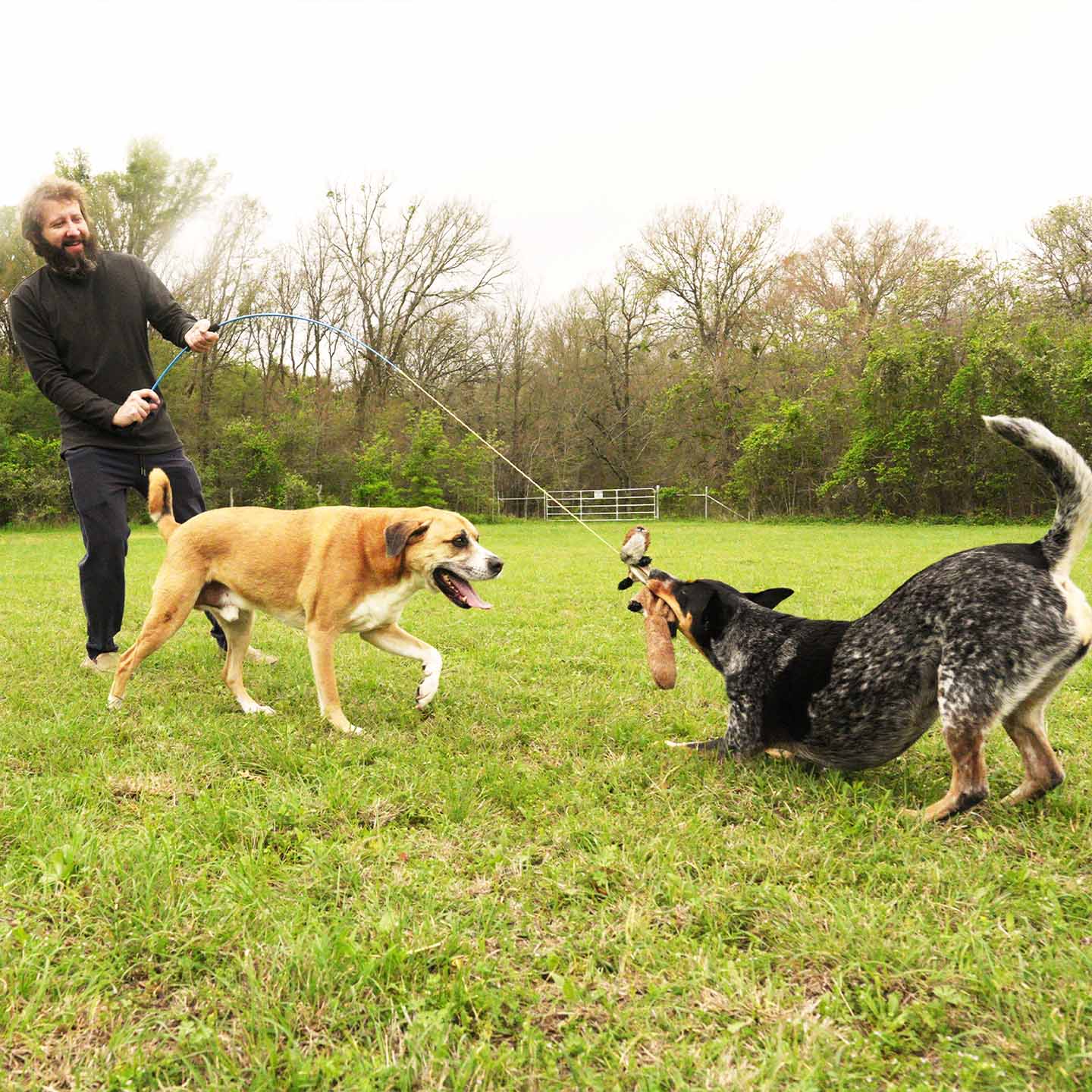
Interactive play isn’t just fun — it’s the most effective training tool most owners aren’t using consistently. Here’s why and how to start.

Why puzzle feeders don’t help high-drive dogs — and the enrichment taxonomy that matches the right tool to the right neurological problem.

What each type of interactive toy actually does, which dogs each is right for, and which one resolves drive vs just activating it.

High-drive working breed protocol — the session structure, intensity level, and impulse control progression GSDs and Malinois specifically need.

Border Collies need structure more than most breeds. The daily routine and progression that channels their drive without feeding their obsessive tendencies.

How to run a proper flirt pole session in a small apartment — room geometry, intensity adjustments, and how to produce real tired without a yard.

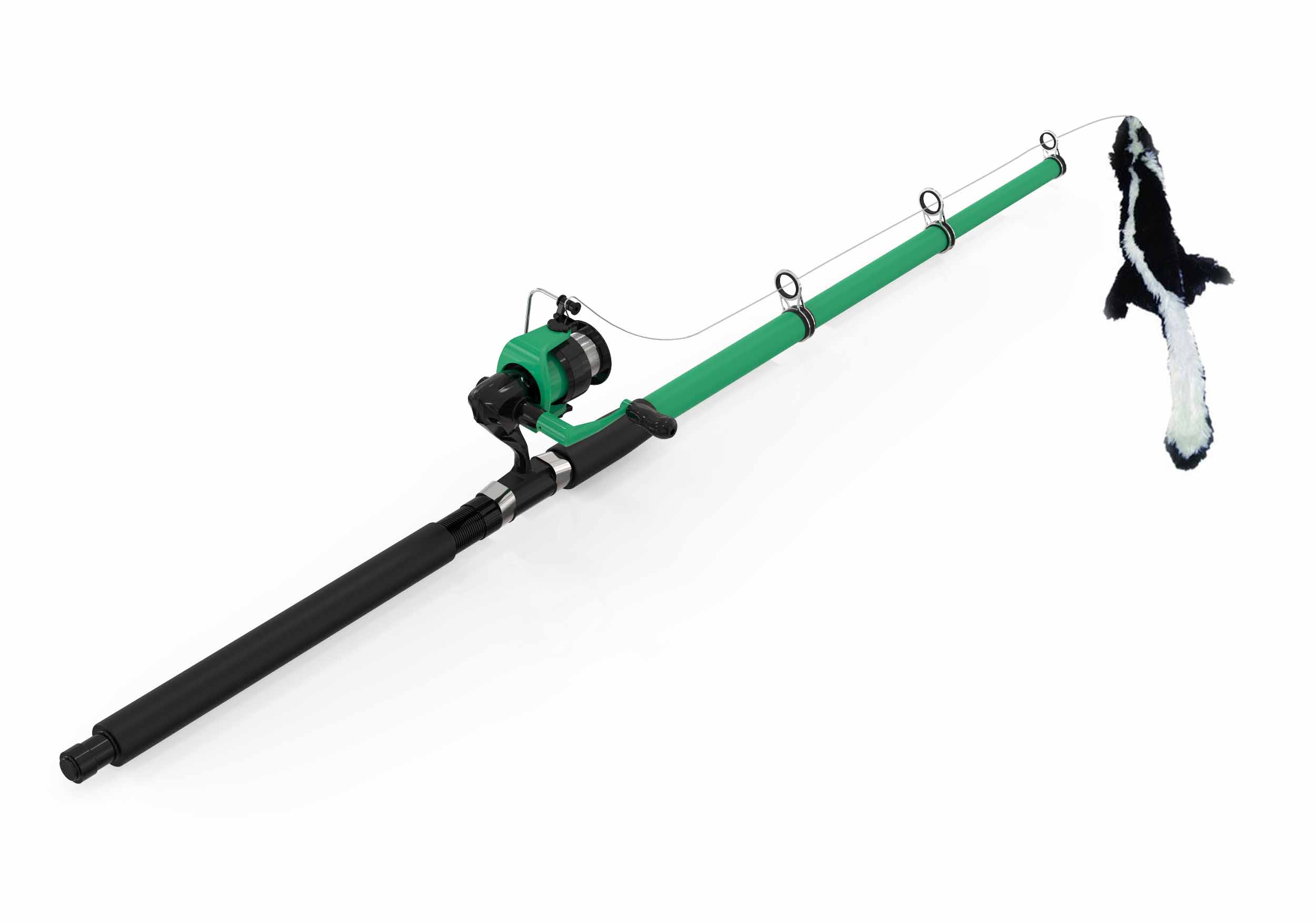
The four specs that determine whether a flirt pole works — field of chase, line type, lure behavior, construction rating — and how the Whimsy Stick scores on each.

Field of chase, line safety, lure design, and real-world performance. A trainer who has used both runs the side-by-side so you don’t have to.

What you can build at home, what you can’t, and the three safety failure points most homemade flirt poles share.

They’re all variations of the same tool. What to look for in a wand toy that actually works — and what the category name doesn’t tell you about performance.

What makes a chase toy actually work — prey-like ground movement, the chase mechanics that produce fatigue, and why most dog toys miss the point entirely.

Why most squeaky toys just activate dogs without resolving drive — and what a squeaky lure on a moving pole does neurologically that a stationary squeaker doesn’t.

Plush toys have a specific role in a high-drive dog’s rotation. Here’s where they fit, where they fall short, and how to use them without reinforcing shredding.

Not all interactive exercise toys engage drive. Here’s the difference between toys that produce genuine fatigue and toys that just produce more arousal.

A complete breakdown of agility and exercise toys by drive type, size, and training goal — so you can match the right tool to what your dog actually needs.

Most people focus on the pole. The lure is what activates prey drive — weight, texture, movement, and squeaker all determine how hard your dog engages.
Everything on this dog training blog assumes you know the basics. Therefore, the full flirt pole training guide is the right place to start — session structure, commands, and why letting the dog catch matters.